In modern dentistry, the demand for ceramic dental crowns is steadily increasing. These innovative dental solutions are celebrated for their aesthetic appeal and biocompatibility. As patients seek options that blend functionality with a natural look, ceramic crowns are becoming a preferred choice.
Recent advancements in technology and materials have propelled the effectiveness of ceramic dental crowns. These crowns are made from durable materials that mimic the appearance of natural teeth. Dentists now have access to improved fabrication techniques and personalized designs that enhance patient satisfaction and outcomes.
However, challenges still exist. Not all materials are the same, and some may fall short in longevity and strength. Dentists need to be vigilant when selecting the right ceramic for each patient. This ongoing evolution in ceramic dental crowns necessitates a close examination of current trends and future possibilities within modern dentistry.
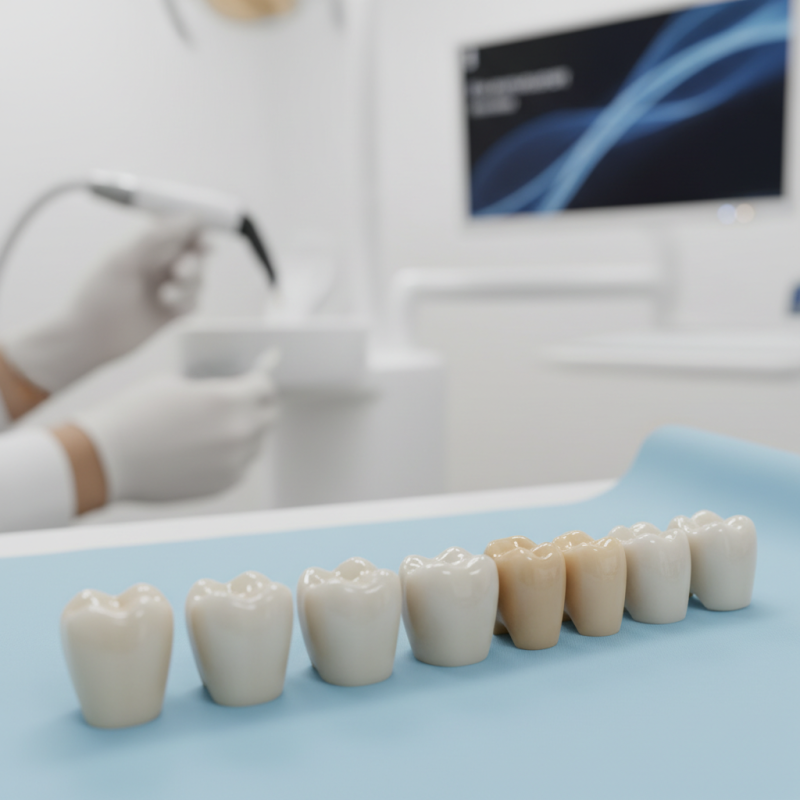
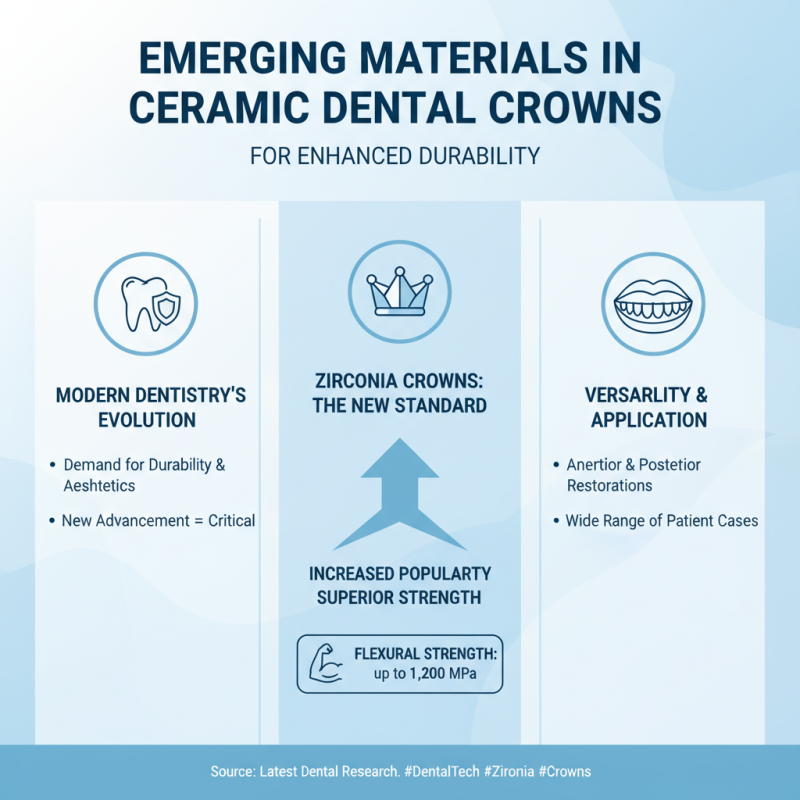
Emerging materials in ceramic dental crowns are revolutionizing modern dentistry. With the demand for durability and aesthetics on the rise, new advancements are becoming critical. Research indicates that zirconia crowns have increased in popularity due to their strength, with a flexural strength reaching up to 1,200 MPa. This makes them ideal for both anterior and posterior restorations in various patient cases.
In addition, lithium disilicate ceramics are gaining traction. Their excellent translucency mimics natural tooth properties, making them desirable for esthetic restorations. A report by the International Journal of Prosthodontics highlights a survival rate of over 95% for these materials when properly used. Both materials are providing excellent wear resistance and reduced chipping, which enhances longevity in dental repairs.
Tips: Always consider the patient's specific needs. Evaluate the location of the restoration. Discuss the aesthetic desires with patients. Patient input can guide the material choice. A consultation can uncover unexpected preferences, leading to better outcomes. Investing time in material assessment can lead to significant benefits. Sometimes, the latest isn't always the best for every situation. Always balance modern trends with clinical judgment.

The field of dental crowns is witnessing significant advancements, particularly in digital design. Custom ceramic crowns are becoming increasingly popular due to improved precision and patient satisfaction. According to a report by the American Dental Association, 75% of dental professionals now use digital techniques for crown fabrication. This shift is not just about aesthetics; it also enhances the fit and durability of the crowns.
Modern digital design software allows for intricate detailing. This means that crowns can now be designed to match the unique contours of each patient’s teeth. A study published in the Journal of Prosthetic Dentistry highlights that up to 90% of patients prefer digitally designed crowns over traditional methods due to the enhanced comfort and appearance. Yet, it is essential to recognize that the transition to digital can be challenging for some practitioners. Not all may possess the necessary training or technology, leading to inconsistencies.
**Tip:** Ensure your dental practice is equipped with the latest software and training. Investing in digital tools can significantly improve your workflow and patient outcomes.
Another crucial aspect of digital design is the speed of production. With advanced milling machines and 3D printing technology, crowns can now be created in a fraction of the time. However, this speed should not compromise quality. Regular calibration and maintenance of equipment are essential to prevent issues such as dimensional inaccuracies.
**Tip:** Always review the crown design before finalization. A thorough inspection can help identify potential flaws early in the process.
This chart illustrates the popularity of various trends in ceramic dental crowns for modern dentistry in 2026. Digital impressions and material advancements lead the trends, showcasing the shift towards more efficient and personalized dental care solutions.
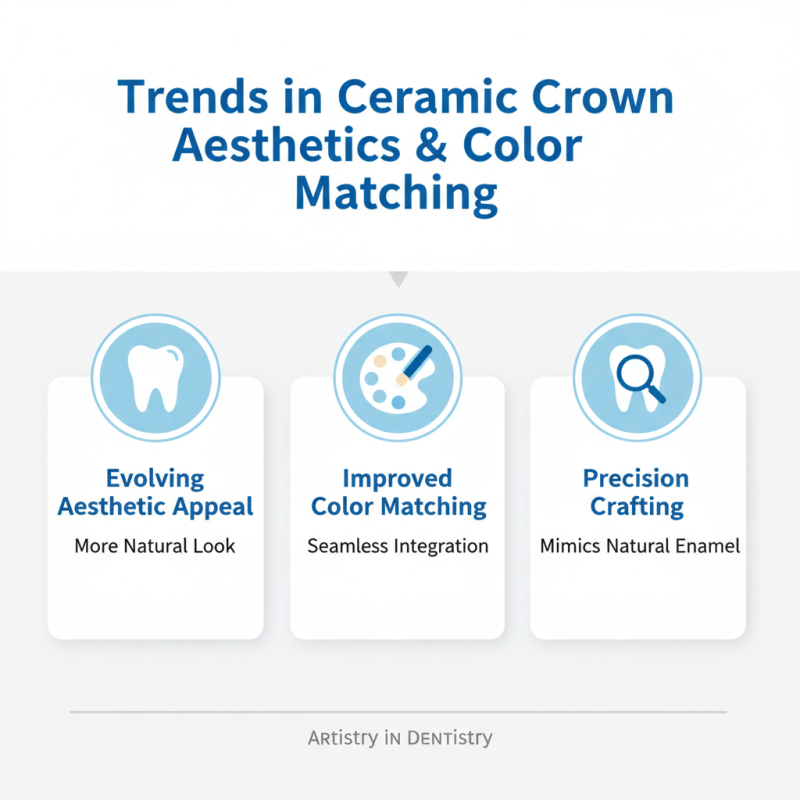
The aesthetic appeal of ceramic dental crowns is evolving. With advances in technology, these crowns now offer better color matching and a more natural look. Patients desire crowns that blend seamlessly with their natural teeth. This trend emphasizes the importance of artistry in dentistry. Modern techniques allow for precision in crafting shades that mimic a patient’s existing enamel.
Tips: When choosing a dental crown, consider your natural tooth color. Take your time during the consultation. Discuss options with your dentist regarding the shade that will best enhance your smile.
The process can be challenging. Achieving perfect color matching isn’t always straightforward. Different lighting and personal perception can influence the final result. Moreover, the age of the patient and their lifestyle can also impact color choice. Experimenting with shade samples can help in making a decision.
Tips: Always ask for a try-in before finalizing your crown. This will provide a clearer view of how the color looks in natural light. Reflection on your choices is key. Consider your long-term goals for your dental health and aesthetics.
3D printing technology is revolutionizing the production of ceramic dental crowns. This innovation offers precise customization, making crowns that perfectly fit individual patients. Traditional methods often lead to longer production times and less accurate results. In contrast, 3D printing can produce crowns in just a few hours. The ability to streamline the process is a significant advancement in modern dentistry.
However, while 3D printing is impressive, it is not flawless. Some dental professionals need more training to fully utilize this technology. Inconsistent materials can also create challenges in the final product’s durability. Dentists should ensure they are using high-quality materials to avoid potential pitfalls.
**Tips**: Invest in training on 3D printing methods. This will enhance your skills and adapt to new technology. Always verify the quality of printing materials to maintain high standards. Stay updated on technological advancements to ensure the best practices in your clinic. Getting feedback from patients can help refine your approach to using these innovative tools.
The world of dental crowns is evolving. Modern ceramic crowns offer the promise of comfort and aesthetic appeal. Innovations focus on how these crowns can give patients not only a beautiful smile but also functional benefits. With advanced materials and techniques, dentists can now provide crowns that blend seamlessly with natural teeth.
One significant trend is the use of advanced glazing techniques. This improves surface smoothness and reduces plaque accumulation. Patients will experience less discomfort during the adjustment phase. However, some might find the color matching process still requires further refinement. Every patient is unique, and achieving the perfect shade can be challenging.
**Tip:** Discuss shade options extensively with your dentist. A good match is crucial for your satisfaction.
Another exciting development is the incorporation of smart dental materials. These materials adapt to pressure and changes in temperature, enhancing comfort. Yet, the reliability of these innovations can sometimes lead to skepticism among patients. Understanding their long-term efficacy is essential.
**Tip:** Always ask for evidence of long-term performance. Knowledge builds trust.
| Trend | Description | Patient Benefit | Technology Involved |
|---|---|---|---|
| 3D Printing of Crowns | Utilizing advanced 3D printing technologies to fabricate crowns with precision. | Fast turnaround time and customization. | Additive manufacturing, CAD/CAM systems. |
| Nano-Ceramic Materials | Use of stronger, aesthetically pleasing nano-ceramics for longevity. | Enhanced durability and natural appearance. | Nanotechnology, material science advancements. |
| Digital Impressions | Transitioning from traditional molds to digital scanning methods. | Increased comfort and precision for patients. | Intraoral scanners, digital workflow. |
| Patient-Centric Design | Customization of crowns tailored to individual patient needs. | Improved fit and comfort, leading to increased patient satisfaction. | Design software, patient feedback systems. |
| Eco-Friendly Materials | Adoption of sustainable and biocompatible materials in crown production. | Healthier for both patients and the environment. | Sustainable material sourcing, green manufacturing practices. |