An ill-fitting crown can derail your entire day. Remakes and adjustments don’t just cost you valuable chair time—they chip away at patient trust and your bottom line. Your dental lab should be your most reliable partner, not a source of constant stress. Finding one that delivers precise restorations on time is critical for a smooth, profitable practice. If you’re tired of inconsistent results, it’s time to expect more. This guide provides a practical checklist for choosing an all-ceramic crown lab that truly supports your practice and helps you leave those common frustrations behind for good.
Key Takeaways
- Look Beyond the Crown for a True Partner: The best lab relationships are built on clear communication and reliable support. Evaluate a lab’s responsiveness and willingness to collaborate on complex cases to find a partner who acts as a true extension of your team.
- Demand Digital Compatibility and Material Transparency: Ensure any potential lab can seamlessly integrate with your intraoral scanner to streamline your workflow. Don’t hesitate to ask for specifics on their materials and quality control data to guarantee you’re delivering durable, high-quality restorations.
- Test the Waters with a Trial Period: Before committing fully, send a new lab a few non-complex cases. This low-risk trial allows you to assess their craftsmanship, turnaround times, and communication style firsthand, ensuring their work meets your standards.
Why All-Ceramic Crowns Are a Smart Choice
When your patients need a crown, you want to offer a solution that is not only functional but also looks completely natural. All-ceramic crowns have become a go-to choice for practices everywhere because they deliver on both fronts. Unlike restorations with metal substructures, these crowns are crafted entirely from high-strength ceramic materials, offering a blend of beauty, biocompatibility, and resilience. For your patients, this means a restoration that feels and looks like their own tooth. For your practice, it means delivering consistent, high-quality results that lead to happier patients and more confident smiles.
All-Ceramic vs. Traditional: What’s the Difference?
For years, Porcelain-Fused-to-Metal (PFM) crowns were the standard. While effective, they come with aesthetic drawbacks, like the potential for a dark line to appear at the gumline as gums recede. All-ceramic crowns eliminate this issue entirely because they are 100% metal-free. This makes them an ideal solution for patients with metal sensitivities or allergies. The biocompatible nature of ceramic also means it’s gentle on the surrounding gum tissue. By choosing modern crown and bridge solutions, you can provide your patients with a restoration that is both beautiful and harmonious with their natural biology, ensuring long-term comfort and health.
Create Natural-Looking Smiles Patients Love
Nothing beats the natural look of an all-ceramic crown, especially for anterior teeth. The magic is in the material’s translucency, which mimics the way light passes through natural tooth enamel. This quality allows the crown to blend seamlessly with adjacent teeth, making it virtually indistinguishable from the real thing. When a patient’s primary concern is aesthetics, all-ceramic restorations are the clear winner. Providing a crown that restores their smile without compromising its natural appearance is one of the most effective ways to ensure patient satisfaction. It gives them the confidence to smile freely, knowing their dental work is their little secret.
Promote Healthy Gum Tissue
A successful restoration integrates seamlessly not just with the tooth, but with the surrounding soft tissue. Poorly adapted margins or reactive materials can lead to inflammation and recession, compromising the long-term health and appearance of the restoration. All-ceramic crowns are an excellent choice because they are exceptionally gentle on the surrounding gum tissue. This biocompatibility allows the gingiva to adapt and grow back nicely around the crown, creating a healthy, natural-looking seal that supports the restoration for years to come. This means fewer complications and more predictable outcomes for your patients.
Gentle on Opposing Teeth
Maintaining the integrity of a patient’s entire dentition is just as important as restoring a single tooth. Some restorative materials can be overly abrasive, causing premature wear on the natural teeth in the opposing arch. This can lead to a cascade of occlusal problems down the road. Fortunately, the ceramic material used in these modern crowns is not harsh on opposing teeth, which helps prevent this kind of damage. By choosing a material that works in harmony with the patient’s existing teeth, you are protecting their long-term oral health and ensuring the restoration contributes to a balanced, functional bite.
Biocompatible and Mercury-Free
More than ever, patients are conscious of the materials used in their healthcare. Offering solutions that align with their desire for safe, non-reactive treatments can set your practice apart. Since all-ceramic crowns are 100% metal-free, they completely remove concerns about metal allergies or sensitivities. The biocompatible nature of ceramic is a significant advantage, ensuring the restoration is well-tolerated by the body. When you partner with a lab that prioritizes high-quality, biocompatible materials for its crown and bridge restorations, you can confidently provide your patients with a solution that supports both their dental and overall health.
Are All-Ceramic Crowns Strong Enough?
Any lingering doubts about the strength of ceramic crowns are a thing of the past. Modern materials like zirconia and lithium disilicate are engineered for incredible durability, capable of withstanding the heavy chewing forces of the posterior teeth. Zirconia, in particular, is known for its exceptional fracture resistance, making it a reliable choice for molars and even for crowns over dental implants. You no longer have to choose between strength and aesthetics. Today’s advanced ceramics offer the best of both worlds, allowing you to place beautiful, lifelike crowns anywhere in the mouth with complete confidence in their long-term performance and resilience.
A Closer Look at All-Ceramic Materials
Not all ceramics are created equal, and understanding the nuances between different materials is key to selecting the right restoration for each case. The term “all-ceramic” covers a family of materials, each with its own unique profile of strength, translucency, and handling properties. The two main categories you’ll encounter are glass-based ceramics and high-strength zirconia-based ceramics. Choosing between them often comes down to balancing the aesthetic demands of the anterior with the functional requirements of the posterior. A skilled lab technician can help guide your selection, but having a foundational knowledge of these materials will empower you to make the best clinical decisions for your patients.
Glass-Based Ceramics vs. Zirconia-Based Ceramics
When you’re deciding on an all-ceramic crown, the primary choice is between glass-based materials, like lithium disilicate, and zirconia-based options. Glass-based ceramics are renowned for their lifelike aesthetics, making them a top pick for anterior cases where appearance is critical. On the other hand, zirconia brings unmatched strength to the table, making it the workhorse for posterior restorations that need to endure significant occlusal forces. Each material has a distinct advantage, and the ideal choice depends entirely on the specific needs of the tooth you’re restoring, from its position in the arch to the patient’s functional habits.
Properties of Glass-Based Ceramics (e.g., IPS e.max)
Glass-based ceramics, such as IPS e.max (lithium disilicate), are the artists of the dental material world. Their claim to fame is their exceptional aesthetic quality. These materials possess a natural-looking translucency that masterfully mimics the appearance of tooth enamel, allowing light to pass through them in a way that zirconia cannot. This property makes them the go-to choice for anterior crowns, veneers, and inlays where blending seamlessly with the natural dentition is the highest priority. When your patient’s chief concern is a beautiful, undetectable restoration, glass-based ceramics deliver a result that is second to none.
Properties of Zirconia-Based Ceramics
When strength is non-negotiable, zirconia-based ceramics are the answer. Zirconia is an incredibly hard and robust material, often used for the core of a crown to provide a nearly indestructible foundation. Its inherent toughness makes it an excellent choice for posterior crowns, multi-unit bridges, and restorations over implants, where durability is paramount. While older versions of zirconia were more opaque, modern formulations have greatly improved aesthetics, offering a better balance of strength and appearance. For cases that demand maximum resilience, you can confidently select a zirconia restoration.
Understanding Material Strength and Aesthetics
You no longer have to sacrifice strength for beauty. Advanced materials like zirconia and lithium disilicate are specifically engineered to provide the best of both worlds. They are built to withstand the intense chewing forces found in the posterior region, giving you a reliable solution for molars and premolars. Zirconia, in particular, offers remarkable fracture resistance, making it a dependable material for your most demanding cases. This means you can place lifelike, tooth-colored crowns anywhere in the mouth without worrying about their long-term performance. This combination of durability and aesthetics allows you to deliver high-quality results that both you and your patients can trust.
Potential Drawbacks and Patient Considerations
While all-ceramic crowns offer incredible benefits, it’s important to consider the full clinical picture to ensure successful outcomes. Like any dental procedure, patient selection and proper technique are critical. Discussing the material properties, preparation requirements, and long-term expectations with your patients helps set the stage for a positive experience. Being aware of the potential limitations allows you to anticipate challenges and choose the best possible restorative solution for each individual. This thoughtful approach ensures that you’re not just placing a crown, but providing a lasting, functional, and beautiful result that meets everyone’s expectations.
Tooth Structure Removal Requirements
Achieving the optimal strength and aesthetics of an all-ceramic crown requires a specific tooth preparation. To ensure the material has enough thickness to resist fracture, a certain amount of tooth structure must be removed. This may sometimes be more than what is required for a traditional metal or PFM crown. Following the manufacturer’s guidelines for axial and occlusal reduction is crucial for the restoration’s longevity. Precise preparation, often verified with accurate digital scans, ensures your lab has adequate room to create a crown that is both strong and beautifully contoured, preventing failures and ensuring a perfect fit.
Repair and Replacement Factors
One practical consideration with all-ceramic crowns is their repairability. Unlike some other materials, ceramic is difficult to repair intraorally if it chips or fractures. In most cases, a significant break means the crown will need to be completely replaced rather than patched. This is an important point to communicate to patients, as it underscores the need for proper care and maintenance, such as wearing a nightguard if they have bruxism. While the materials are incredibly strong, they are not indestructible, and setting realistic expectations about long-term care is a key part of the treatment process.
Patient Suitability and Contraindications
All-ceramic crowns are an excellent solution for protecting teeth that have been weakened by damage or decay. They are ideal for patients who prioritize aesthetics or have known metal sensitivities. However, they may not be the best choice for every situation. For patients with severe bruxism or a particularly heavy bite, a monolithic zirconia crown might be more suitable than a layered porcelain one to minimize the risk of chipping. Carefully evaluating the patient’s occlusion, habits, and the amount of remaining healthy tooth structure will help you determine if an all-ceramic restoration is the most appropriate and predictable option for their long-term dental health.
How to Choose the Right All-Ceramic Crown Lab
Choosing a lab for your all-ceramic crowns is a major decision that impacts your practice’s efficiency, profitability, and patient satisfaction. It’s about finding a partner who aligns with your standards of care, not just a vendor who fabricates restorations. While the final crown is what the patient sees, the journey to get there involves many critical steps that can either streamline your workflow or create headaches. You need a lab that excels in craftsmanship and also provides a seamless experience from the moment you send a case to the moment you seat the final restoration.
This means looking beyond a glossy brochure or a low cost per unit. You should evaluate the lab’s core processes, communication style, and technological capabilities. A great lab partnership simplifies your workflow, gives you confidence in the restorations you place, and ultimately helps you deliver the exceptional care your patients deserve. Think of it as adding a specialized, off-site member to your team. They should be reliable, skilled, and easy to work with. When you start your search, focusing on a few key areas will help you cut through the noise and find a lab that truly supports your practice’s goals and contributes to its long-term success.
Do They Use Certified, High-Quality Materials?
The foundation of any great restoration is the material it’s made from. A top-tier lab will be completely transparent about the materials they use for their all-ceramic crowns, providing brand names and specifications. Don’t hesitate to ask for documentation or certifications for their ceramics. Reputable labs should also be able to provide key quality metrics for every case, like marginal gap measurements and contact tightness. This data-driven approach demonstrates a commitment to precision and gives you measurable proof that the crowns meet the highest clinical standards. This transparency ensures you can be confident in the longevity and biocompatibility of the restorations you provide to your patients.
Is Their Digital Workflow Compatible With Your Practice?
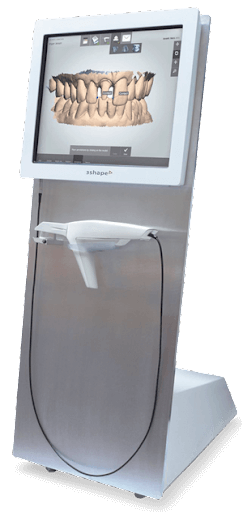
In modern dentistry, a smooth digital workflow is non-negotiable. Before committing to a lab, confirm that their system is compatible with your practice’s intraoral scanner. A lab that fully embraces digital dentistry can accept your digital scans directly, which minimizes errors and dramatically shortens turnaround times. This seamless integration means fewer phone calls, less back-and-forth, and more predictable results. When the lab’s technology works in harmony with yours, you can expect better-fitting crowns, fewer adjustments, and a more efficient process for both your team and your patients. It’s a crucial step for ensuring your practice operates as smoothly as possible.
Look for Responsive Communication and Support
Technology is important, but you can’t overlook the human element. The best lab relationships are built on clear, consistent communication. Can you easily reach a knowledgeable technician to discuss a complex case? Is the lab responsive to your questions and proactive in alerting you to potential issues? A great lab partner offers robust technical support and acts as a resource for your practice. They should be accessible and willing to collaborate to achieve the best possible outcome for your patient. This kind of supportive relationship is invaluable and can make a world of difference in your day-to-day operations and the quality of your final restorations.
Can You Count on Their Turnaround Times?
Predictability is key to running an efficient practice. Ask any potential lab for their standard turnaround times for all-ceramic restorations and check if they have a consistent track record of meeting those deadlines. A reliable lab understands that your schedule depends on their punctuality. However, speed should never come at the expense of quality. The right partner delivers high-quality crown and bridge work on time, every time. This reliability allows you to schedule patient appointments with confidence, minimize chair time, and avoid the stress of unexpected delays. It’s a fundamental aspect of a lab partnership that directly impacts your practice’s workflow and reputation.
How to Vet a Lab’s Technology and Standards
A lab’s internal processes are just as important as the final restoration they deliver. The technology they use and the standards they uphold directly impact the consistency, fit, and longevity of your all-ceramic crowns. Think of it as looking under the hood before you commit. A lab that invests in modern technology and transparent quality control is investing in the success of your cases. When you’re vetting a new partner, you want to see a clear commitment to precision that goes beyond just talk. This means looking past the marketing materials and asking direct questions about how they operate day-to-day.
A lab’s digital workflow is a great indicator of its dedication to modern dentistry. Do they make it easy to connect your scanner and submit cases digitally? A seamless digital process not only saves you time but also reduces the potential for errors that can occur with physical impressions. It shows they are keeping pace with the industry and are equipped to handle the demands of a modern practice. Ask potential labs about their equipment, software, and the technicians who operate them. A truly great lab will be proud to walk you through their standards and show you how they ensure every crown meets your specifications.
Ask About Their CAD/CAM Systems for Precision
Modern dentistry relies on the incredible accuracy of Computer-Aided Design/Computer-Aided Manufacturing (CAD/CAM) systems. This technology is the standard for creating crowns with a precise fit and ideal form. When a lab uses the latest systems, they can produce restorations that are not only more comfortable for the patient but also require fewer adjustments chairside. At Next Dental Lab, we design our crown and bridge restorations using advanced technology to enhance the precision of the manufacturing process. Ask a potential lab what specific CAD/CAM systems they use and how they maintain their equipment to ensure consistent, high-quality results for your practice.
Review Their Material Options and Compatibility
The term “all-ceramic” covers a range of materials, each with unique properties for strength, translucency, and function. A top-tier lab will offer a variety of proven materials like Zirconia and E.max and will be able to guide you on the best choice for each case. As one industry publication notes, dentists and lab technicians must understand the different all-ceramic materials available to select the optimal one. Don’t hesitate to ask where they source their materials and if they are FDA-approved. A lab should be completely transparent about what they use, ensuring you can feel confident in the biocompatibility and durability of the crowns you place.
What Is Their Quality Control Process?
A beautiful crown is useless if it doesn’t fit perfectly. This is where a lab’s quality control (QC) process becomes critical. A reliable lab should have a multi-point checklist for every case that moves through its workflow. They should be able to provide you with key quality metrics, including measurable data like marginal gap and contact tightness, to ensure full transparency. Ask about their QC procedures. Who is responsible for the final sign-off? What is their remake rate, and how do they handle cases that need adjustments? A lab with a robust and transparent QC process is one that stands behind its work and is committed to getting it right the first time.
Clinical Guidelines for All-Ceramic Restorations
Once you’ve chosen a lab and received a beautifully crafted all-ceramic crown, the final success of the restoration rests in your hands. Proper clinical technique is just as crucial as the fabrication process. Following established guidelines for preparation, cementation, and adjustments ensures the crown fits perfectly, functions correctly, and lasts for years to come. While your lab partner handles the precise manufacturing, your work chairside is what brings it all together for a seamless patient experience. These steps are the final, critical phase in delivering a high-quality restoration you can be proud of.
Tooth Preparation Requirements by Material
Not all ceramic materials are created equal, and neither are their preparation requirements. Each material has specific needs for clearance and margin design to ensure its structural integrity. For example, a zirconia crown may require a more conservative preparation than a lithium disilicate restoration. It’s essential to follow the specific preparation guidelines for each material to guarantee the best possible fit and strength. A great lab partner can provide detailed prep guides for the materials they offer, taking the guesswork out of the equation and setting your case up for success.
Cementation and Bonding Protocols
Securing the final restoration is more than just choosing a cement; it’s about creating a durable, long-lasting bond. The right protocol depends on the ceramic material and the clinical situation. Some materials, like certain types of zirconia, can be conventionally cemented with resin-reinforced glass ionomers, while others, like E.max, achieve their best results when bonded with resin cement. For challenging cases with short preps, specific cements can provide extra retention. Always consult the manufacturer’s instructions or your lab for the recommended protocol for your crown and bridge cases.
Making Adjustments to Zirconia Crowns
Even with the most precise digital workflow, minor chairside adjustments are sometimes necessary. When working with zirconia, it’s crucial to handle this process with care to avoid compromising the material’s strength. The key is to prevent heat buildup, which can cause microfractures. Always use a fine-grit diamond bur with a constant stream of water and air spray to keep the restoration cool while you work. This simple step helps maintain the integrity of the zirconia, ensuring your adjustments don’t inadvertently weaken the crown. Polishing the adjusted area afterward restores a smooth surface and prevents wear on opposing teeth.
Top All-Ceramic Crown Lab Options to Consider
Once you’ve outlined your practice’s needs, you can start looking at specific labs. The right partner will depend on your patient base, your digital workflow, and your goals for quality and efficiency. Most labs fall into a few general categories, and understanding them will help you narrow down your search for the perfect fit.
Next Dental Lab: A Look at Their Digital Tech
For practices looking for a reliable, full-service partner, Next Dental Lab offers a compelling combination of quality and affordability. We are committed to providing exceptional crown and bridge restorations by leveraging the latest in digital dentistry. This focus on technology means you get precise, consistent results for every case. By streamlining our processes, we can deliver outstanding all-ceramic crowns without the high overhead, passing that value directly to your practice. Our goal is to be a dependable extension of your team, helping you provide excellent patient care with restorations you can trust.
Working With Established, Full-Service Labs
Many dental practices have long-standing relationships with established laboratories that have been in the industry for decades. These labs often have a reputation built on years of consistent work and deep expertise with traditional materials and techniques. When considering an established lab, it’s helpful to ask about their adoption of modern technology. Do they fully support digital case submissions? Are they working with the latest all-ceramic materials? An established lab can be a fantastic choice, especially if they have successfully blended their years of experience with the precision and efficiency of today’s digital workflows.
When to Choose a Specialty Aesthetics Lab
Some labs build their entire reputation on handling highly complex and aesthetically demanding cases. These boutique labs often work with top cosmetic dentists and specialize in intricate smile makeovers, veneers, and challenging anterior restorations. They typically invest heavily in the most artistic technicians and advanced materials to achieve lifelike results. While they can be an excellent resource for specific high-stakes cases, it’s important to consider if their specialized focus aligns with the everyday needs of your practice. Many full-service labs, like Next Dental Lab, also have the expertise to manage complex dental implants and aesthetic restorations with excellent outcomes.
What’s the Real Value of a Good Lab Partnership?
Choosing a dental lab is about more than just ordering a product; it’s about forming a partnership that directly impacts your practice and your patients. The right lab becomes an extension of your team, contributing to seamless workflows, consistent results, and happy patients. A great partner understands your standards and works with you to achieve the best possible outcomes. When you evaluate a lab, you’re not just looking at their technical skills—you’re assessing their potential as a long-term collaborator who can help your practice thrive. This relationship is built on shared goals for quality, efficiency, and exceptional patient care.
How Material Choice Affects Your Bottom Line
The materials used for your all-ceramic restorations are fundamental to their success. A knowledgeable lab partner will guide you through the options, helping you select the best material for each specific case. When you choose a restoration, you have to consider its strength, aesthetics, and biocompatibility. These factors don’t just influence the longevity of the crown; they are crucial for patient satisfaction. A lab that provides high-quality materials and expert advice ensures you’re delivering restorations that look great and are built to last. This focus on material integrity is a key component of the overall value a lab provides, moving beyond the initial cost to the long-term success of the treatment.
Factors Influencing the Cost of All-Ceramic Crowns
Material Type and Tooth Location
The final fee for an all-ceramic crown is shaped by a couple of important variables, primarily the material used and the tooth’s position in the mouth. Advanced materials like Zirconia offer exceptional strength and aesthetics, but their fabrication process can be more complex, influencing the lab fee. Similarly, a crown for an anterior tooth often requires more detailed artistic work to perfectly match the shade, shape, and translucency of the surrounding teeth. This meticulous customization is essential for a seamless, natural-looking smile but can affect the overall investment. Understanding these factors helps you set clear expectations with your patients about the value and craftsmanship behind their restoration.
Navigating Dental Insurance Coverage
Helping patients understand their financial responsibility is a key part of the treatment process. While every plan is different, many dental insurance policies provide some level of coverage for medically necessary crowns, sometimes covering up to 50% of the expense. It’s always a good idea to encourage patients to review their benefits or have your administrative team verify coverage details before beginning treatment. Factors like deductibles, annual maximums, and specific plan limitations can all play a role. A clear picture of their insurance contribution allows patients to move forward with their treatment plan confidently, knowing exactly what to expect.
Inquire About Partnership and Volume Perks
A strong relationship between your practice and your lab can significantly improve the quality of care you provide. When you find a reliable partner, you’ll notice more consistent quality, better turnaround times, and enhanced communication. These benefits all contribute to smoother operations and better patient outcomes. Don’t hesitate to ask potential labs what kind of advantages they offer for a steady stream of work. A lab that values your business will be eager to build a solid working relationship, ensuring your cases are handled with care and efficiency. This kind of collaborative partnership is what separates a good lab from a great one.
How to Spot and Avoid Hidden Lab Fees
Financial transparency is a cornerstone of a trustworthy lab partnership. A reputable lab will be upfront about its cost structure, making it easy for you to understand the total investment for each case. Before committing, ask for a clear breakdown of all associated costs, including any potential add-ons for remakes, shipping, or special requests. Understanding the complete financial picture helps you manage your practice’s budget effectively and prevents unexpected expenses down the road. A lab that is open and honest about its fee schedule shows that it values a straightforward, long-term relationship built on trust and mutual respect.
Ensuring Longevity: Lifespan and Maintenance
A beautiful, well-fitting crown is a fantastic start, but its long-term success depends on what happens after the patient leaves your chair. Educating your patients on the lifespan and proper care of their new all-ceramic restoration is key to ensuring it lasts for years to come. When patients understand their role in maintaining their dental work, they become active partners in their own oral health, leading to better outcomes and greater satisfaction. This final piece of the puzzle solidifies the value of the high-quality care your practice provides.
Average Lifespan of All-Ceramic Crowns
One of the first questions a patient will ask is, “How long will my new crown last?” You can confidently tell them that the average life of an all-ceramic crown is about 10 years, but with the right care, it can last much longer. Some clinical experiences show crowns lasting well over 15 years. The final outcome depends on a combination of factors: the patient’s oral hygiene, their biting habits, and the quality of the restoration itself. When a crown is crafted with precision from high-quality materials, it has a much better chance of withstanding daily wear and tear, ensuring long-term clinical success for your practice.
Patient Care Instructions for Long-Term Success
The longevity of an all-ceramic crown ultimately rests in the patient’s hands. Emphasizing the importance of excellent oral hygiene is the most critical step you can take to ensure a lasting result. Advise your patients to treat their crown just like a natural tooth by brushing twice a day with a soft toothbrush and flossing daily to keep the gumline healthy and free of plaque. It’s also wise to caution them against chewing on very hard or crunchy foods, like ice or hard candy, which can put excessive stress on any dental restoration. Regular dental check-ups are, of course, essential for monitoring the crown and maintaining overall oral health, giving you the opportunity to address any potential issues early on.
Solving Common Lab Partnership Problems
Even the best partnerships face challenges. When it comes to your dental lab, being prepared for potential hurdles is the key to building a resilient and productive relationship. Anticipating these issues allows you to create systems and communication strategies that prevent small misunderstandings from turning into costly remakes or delays. A proactive approach ensures that you and your lab technician are always aligned, working together toward the same goal: delivering exceptional restorations for your patients.
The most common challenges typically fall into three categories: technical details like material selection, the human element of communication, and the final clinical outcome for the patient. By addressing each of these areas head-on, you can set the foundation for a smooth workflow. Think of it as creating a shared playbook that guides your interactions and clarifies expectations on both sides. This preparation not only saves you time and reduces stress but also strengthens the trust between your practice and your lab partner, leading to more consistent and predictable results.
Tips for Perfect Shade Matching and Compatibility
With so many advanced all-ceramics available, selecting the right material for each case can be complex. A mismatch between the material’s properties and the clinical requirements can lead to fractures or aesthetic compromises. To prevent this, be incredibly specific on your prescription. Don’t just name the material; explain why you chose it and note any specific patient needs, like bruxism or high aesthetic demands.
Shade matching is another critical area. Digital photos are your best friend here. Send multiple images in different lighting conditions, including a photo with a shade tab for reference. This gives the technician the comprehensive visual information they need to create a lifelike restoration that blends seamlessly. Clear instructions and detailed visuals leave no room for guesswork.
How to Improve Communication with Your Lab Tech
Clear, consistent dialogue is the backbone of a successful lab partnership. A simple misinterpretation can send a case off track, leading to frustration and lost chair time. Effective communication starts with establishing clear protocols from the beginning. Designate a single point of contact at your practice for lab-related questions to keep messages from getting crossed.
Use your lab’s digital portal to centralize all case communication, and don’t hesitate to schedule a brief call to discuss complex cases. When providing feedback, be specific and constructive. Instead of saying “the margins are off,” explain exactly where and how. This collaborative approach helps the technician understand your preferences and deliver exactly what you need, time and time again.
Aligning Lab Work with Patient Expectations
Ultimately, a successful restoration is one that satisfies the patient. It’s your job to manage their expectations regarding the final look, feel, and function of their all-ceramic crown. This includes discussing potential common dental crown problems, such as temporary sensitivity, and explaining the adaptation period.
Your lab plays a huge role in this. A high-quality lab produces precisely fitting crowns that minimize the risk of issues like open margins or improper occlusion, which can contribute to patient discomfort. When you partner with a lab that has rigorous quality control, you can be more confident in the clinical outcomes. This allows you to assure your patients that they are receiving a durable, beautiful, and comfortable restoration.
Switching Labs? Here’s How to Make it Smooth
Switching dental labs can feel like a huge undertaking, but it doesn’t have to be disruptive. With a thoughtful plan, you can make the change seamlessly while maintaining your standard of patient care. The key is to approach the transition methodically, focusing on clear communication and quality checks from day one. This ensures your new partner understands your expectations and can start delivering the high-quality restorations your practice is known for.
Start with a Trial or Evaluation Period
Choosing a new dental lab is a major decision that affects your patients and reputation. Instead of sending all your cases at once, start with a trial period. Select a few straightforward cases to send first. This gives you a low-risk opportunity to assess their work, from the fit and finish of the restorations to their turnaround times. Think of it as a working interview to get a real-world feel for their quality before committing to a full partnership. This initial phase is your chance to see if their results align with your standards for crown and bridge work.
Set Up Clear Communication From Day One
Miscommunication is a common hurdle in a lab-dentist relationship. To avoid issues, establish clear communication protocols from the start. Discuss how you’ll submit cases, ask questions, and provide feedback. Will you use a digital portal, email, or phone calls? Who is your dedicated point of contact? A great lab will happily outline their process and work with your preferences. Setting these expectations early prevents misunderstandings. When you submit digital cases, for example, you should know exactly who to contact with a question. This creates a smooth, collaborative workflow.
Maintain Quality Control During the Transition
During the transition, personally verify the quality of every restoration you receive. Don’t assume the new lab’s standards match your own—confirm it. When your first cases arrive, meticulously inspect the marginal integrity, contact points, occlusion, and shade matching. Industry standards accept marginal gaps up to 120 microns, so check that your new lab meets this benchmark. Ask about their internal quality control process. Maintaining your high standards for patient care is non-negotiable, and a transparent lab will readily share how they ensure the quality of their dental implants and other restorations.
Ready to Choose Your New Lab Partner?
You’ve done the research and narrowed down your options. Now it’s time to make a decision that will influence your practice for years to come. Choosing a dental lab isn’t just about a single restoration; it’s about finding a reliable partner who will consistently support the quality of care you provide to your patients. The right fit will feel like an extension of your own team, dedicated to achieving excellent results on every case.
Your Final Lab Evaluation Checklist
To make an objective choice, create a simple checklist to compare your top contenders. Your lab’s performance directly impacts your chair time, remake rates, and patient satisfaction. Look for a lab that provides measurable quality data, like marginal gap and contact tightness, for true transparency. Effective communication is also critical. Is the team responsive and easy to work with? Finally, confirm their digital workflow is compatible with your practice. A lab that makes it easy to connect your scanner and submit cases digitally will save you valuable time and reduce errors.
Building a Strong Partnership for Practice Success
Think beyond the cost per unit and consider the long-term value a lab partner brings to your practice. A great lab helps you deliver consistent, high-quality restorations that build your reputation and keep patients happy. In a market with rising operational expenses, you shouldn’t have to compromise between precision and your bottom line. Look for a partner who offers a comprehensive range of services, from crown and bridge to complex implant cases, all under one roof. This streamlines your workflow and ensures you have a trusted resource for all your restorative needs, helping your practice grow successfully.
Related Articles
- PFM Vs. Porcelain Crown: A Side-By-Side Comparison – Next Dental Lab
- How to Pick an All Ceramic Crown Lab in Chicago
- The Ultimate PFM Crown Lab Procedure Guide
- A Crown Dental Lab: A Complete Guide for Dentists
Frequently Asked Questions
Are all-ceramic crowns strong enough for molars? Absolutely. Any concerns about the strength of all-ceramic crowns are based on older materials. Modern ceramics like zirconia are exceptionally durable and engineered to withstand the heavy chewing forces of posterior teeth. You no longer have to choose between a natural look and long-term resilience, making these crowns a reliable choice for any part of the mouth.
What’s the best way to ‘test drive’ a new dental lab without fully committing? The smartest approach is to start with a trial period. Instead of transferring all your work at once, send the new lab a few of your more straightforward cases first. This gives you a low-risk opportunity to evaluate their craftsmanship, communication style, and turnaround times before you decide to build a lasting partnership.
My current lab isn’t compatible with my intraoral scanner. How big of a problem is that? A seamless digital workflow is a huge factor in running an efficient practice. If a lab can’t directly accept your digital scans, you’re likely dealing with slower processes and a higher potential for errors. A lab that fully integrates with modern scanner technology simplifies your entire workflow, leading to better-fitting crowns and less chair time.
How can I ensure the shade of an all-ceramic crown will match perfectly? Clear visual communication is your most powerful tool. Along with your detailed prescription, always send your lab technician high-quality digital photos of the patient’s teeth. Taking pictures in different lighting and including one with a shade tab in the frame gives the technician the precise information they need to create a seamless, lifelike restoration.
Beyond the restoration itself, what makes a lab a true ‘partner’? A true lab partner functions as a reliable extension of your own team. They provide consistent, high-quality work on a predictable schedule and offer accessible technical support when you have a complex case. The relationship is built on clear communication and a shared commitment to achieving the best possible outcome for your patient.