Choosing a full service dental laboratory is not simply a matter of comparing prices. The right partner can support crowns, bridges, implant restorations, dentures, and digital workflows while keeping communication clear from prescription to delivery. Small details matter: a well-labeled scan, a confirmed shade, or a quick call about margin visibility can prevent avoidable remakes. No lab fits every case.
Prosthodontist and dental educator Gordon Christensen has emphasized the importance of sound communication and clinical judgment in restorative dentistry. A fair paraphrase of that principle is: “Good restorations depend on careful collaboration between the dentist and the laboratory.” This is a summary, not a verbatim quotation. It captures why technical capability alone is not enough. Turnaround times, materials, case-planning support, quality controls, and remake policies all deserve scrutiny. A glossy website cannot answer every question.
This guide compares seven providers through practical considerations that dental teams can verify directly. It looks at service range, digital compatibility, communication, and the kinds of cases each laboratory may suit. A fast estimate is useful, but it is not the whole story. I would reconsider any ranking that treats speed as the only measure; a restoration delivered quickly still needs to fit, function, and meet the clinician’s expectations. Use the profiles as a starting point, then confirm current services, pricing, and shipping details with each provider.
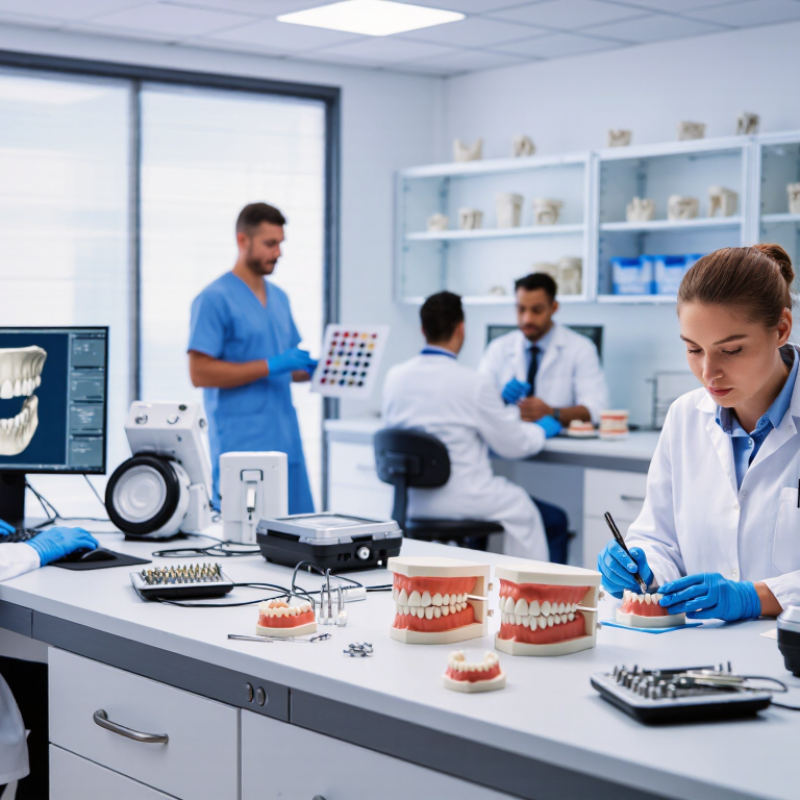
A full-service dental laboratory turns a dentist’s prescription into a finished restoration, such as a crown, bridge, denture, or implant-supported device. Its work can include reviewing scans or impressions, designing restorations, fabricating them, checking fit and finish, and coordinating delivery. Technicians may flag unclear margins or bite records before production. That back-and-forth can prevent avoidable adjustments at the chair. The dentist, however, remains responsible for diagnosis and treatment decisions. This is not magic. A rushed scan or incomplete prescription can still lead to a poor fit.
The need for careful coordination matters across age groups. The CDC’s Oral Health Surveillance Report found that about one in six U.S. adults aged 65 or older had lost all their natural teeth. That figure describes oral-health need, not demand for any particular laboratory service. Workforce capacity also deserves attention: the U.S. Bureau of Labor Statistics projects 3% employment growth from 2023 to 2033 for dental and ophthalmic laboratory technicians combined. It is not a dental-lab-only forecast. Still, it points to the skilled human work behind digital production. Dentists comparing providers should ask how cases are reviewed, how remake causes are tracked, and who communicates delays. Still, gaps happen. Digital tools can speed design, but they cannot replace clear clinical instructions or careful quality checks.
Full-service dental laboratories work with materials suited to different restorative needs. These representative flexural-strength ranges vary by product and test method; strength alone does not determine the best material for a case.
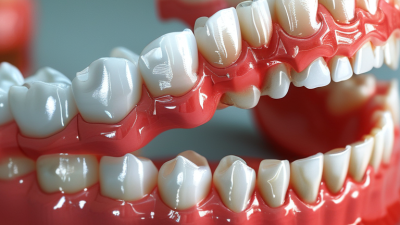
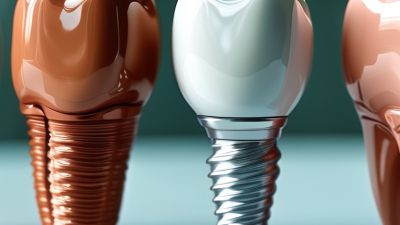
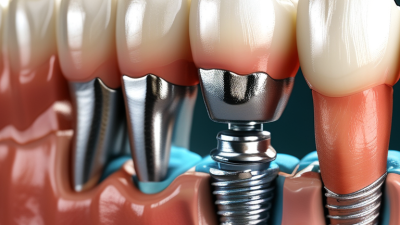
A full-service dental laboratory may support fixed, removable, and implant restorations. Its team can make crowns, bridges, dentures, and surgical guides from a clinician’s prescription. For fixed restorations, technicians select materials based on the case, such as zirconia or glass ceramic. Removable work may involve acrylic bases, denture teeth, and careful bite adjustments. Details matter. A small mismatch can affect comfort or require a clinical adjustment.
Digital workflows often begin with an intraoral scan or a model sent by the dental office. CAD software helps technicians design restorations, while milling machines shape materials with consistent dimensions. Some labs also use 3D printing for models, trays, or selected appliances. Still, technology does not replace clinical judgment. A digital file can be incomplete, and a polished design may not reflect the patient’s bite or gum line. This is a point worth checking, not assuming away.
Tips: Send clear scans, shade details, and preparation notes with each case. Include photos when they can clarify tooth color or surrounding anatomy. Ask how the lab handles fit checks, revisions, and delivery timing. Small details can prevent delays. A quick conversation may be more useful than another software feature.
Choosing a full-service dental laboratory means checking more than its product list. Confirm which restorations it supports, such as crowns, bridges, dentures, implant restorations, and night guards. Ask which steps are completed in-house. A provider should explain how technicians review scans, margins, bite records, and shade notes. Small details matter. A weak shade photo can lead to a visible mismatch, even when the prescription seems complete.
Evaluate materials and quality controls for the cases you commonly send. Ask about material documentation, case traceability, inspection steps, and how staff flag incomplete files. Turnaround claims need context: routine crowns differ from complex implant work. Ask how urgent requests affect review, not just delivery. A fast estimate is not enough.
Communication is part of technical quality. Find out who can clarify preparation concerns, share progress, and discuss adjustments or remakes. Request written policies and workflow details before sending a demanding case. Try a routine case first. That is imperfect evidence; one smooth delivery cannot predict every difficult case. Still, it can show whether instructions are repeated accurately, packaging protects the restoration, and feedback receives a useful response.
Profiles of seven leading full-service dental laboratory providers are most useful when they explain how each lab supports a case from prescription to delivery. Compare service range, material options, accepted digital files, turnaround estimates, and remake procedures. A crown may depend on a clean margin scan; a denture needs accurate bite records and careful attention to tissue fit. Small workflow details matter.
The profiles should also describe communication and quality checks. Does the lab flag unclear scans before fabrication? Can technicians discuss shade selection or design adjustments with the dental team? These practical details help clinics judge whether a provider fits their daily workflow. A polished case gallery is not proof of consistent results. One excellent example tells only part of the story, and stated turnaround times may not reflect every case.
Tips: Request a sample case pathway, from submission to delivery. Confirm how urgent cases, revisions, and shipping delays are handled. Ask which records the lab needs before work begins. Then compare answers with your clinic’s real needs, not just its ideal workflow.
A full-service dental laboratory should match the cases your practice actually sends, not just offer a long procedure list. For single crowns, ask about material options, shade communication, and remake policies. For implant cases, check how the lab handles scan bodies, component compatibility, and digital files. Ask who reviews complex prescriptions before fabrication. Fit matters.
Workflow can save time—or quietly create extra steps. Compare digital and physical impression processes, case submission requirements, and typical turnaround ranges. Find out how the lab flags missing scans or unclear margins. A useful support team asks specific questions before production, rather than sending a generic status update after a delay.
Support matters most when a case needs attention. Ask whether you can reach a knowledgeable technician, how urgent cases are assessed, and what information helps resolve adjustments. Request sample case instructions or a walkthrough of the ordering portal. These small details reveal how well the service fits your team’s routine. One point is easy to overlook: the fastest stated turnaround may not include shipping or chairside adjustments. Compare the full process, then reassess after a few real cases. No checklist predicts every mismatch.
| Provider profile | Best suited for | Typical case scope | Workflow considerations | Support to look for |
|---|---|---|---|---|
| 1. Broad-service restorative lab | Practices seeking one lab for a varied mix of routine restorative work. | Commonly includes crowns, bridges, inlays, onlays, and removable appliances; exact offerings vary. | Confirm accepted impression formats, prescription requirements, shipping options, and remake procedures before sending cases. | Accessible case status updates and a clear contact path for prescription questions. |
| 2. Digital-workflow-focused lab | Practices that routinely capture intraoral scans and submit cases electronically. | Digitally submitted fixed restorations and other cases supported by the lab’s accepted systems. | Check scanner compatibility, file formats, margin-marking expectations, and how scan corrections are requested. | Technical help with file submission and feedback when scan data is incomplete or unclear. |
| 3. Esthetic-restoration-focused lab | Anterior cases where shade, contour, and communication about appearance are priorities. | Typically emphasizes esthetic crowns, veneers, and related fixed restorations, subject to the lab’s service menu. | Accurate shade information, photographs, and clear clinical instructions can help guide case communication. | Access to a case consultant or technician for discussing shade and design details. |
| 4. Implant-restoration-focused lab | Practices restoring implants that need coordinated component and design planning. | May include implant crowns, screw-retained or cement-retained restorations, and related prosthetic work. | Verify supported implant systems, required component details, scan-body protocols, and case documentation. | Technical review of component selection and timely clarification of missing implant information. |
| 5. Removable-prosthetics-focused lab | Practices with regular denture and partial-denture cases. | May cover complete dentures, removable partial dentures, repairs, relines, and related services. | Ask about required records, try-in stages, adjustment communication, and which repairs can be accepted. | Guidance on case records and a defined process for communicating fit or bite concerns. |
| 6. Complex-rehabilitation-focused lab | Multi-unit, full-arch, or otherwise complex restorative cases requiring detailed coordination. | Scope may include extensive fixed restorations and coordinated provisional or final prosthetic work. | Confirm planning steps, records needed, approval points, and how changes are handled as treatment progresses. | Direct case-planning communication and a documented escalation path for complex questions. |
| 7. High-volume, standardized-service lab | Practices with repeatable case types that value consistent ordering and tracking processes. | Usually centers on commonly ordered restorative products; confirm the specific catalog and material options. | Review order-entry steps, packaging instructions, case tracking, and published turnaround estimates for each product. | Reliable status visibility, clear service policies, and responsive help when a case is delayed or needs correction. |
These are anonymized service profiles representing common dental-laboratory models, not named companies or a verified ranking. Capabilities, materials, workflows, and turnaround times vary by laboratory and case.