Why Choose a Full Service Dental Laboratory?
Choosing a full service dental laboratory can simplify treatment planning and improve communication across the dental team. Instead of coordinating separate providers, dentists can access crowns, bridges, implants, dentures, orthodontic appliances, and digital services through one experienced partner. This connected workflow helps maintain consistent materials, shade records, and production standards. It also gives clinicians one reliable point of contact when a case changes unexpectedly.
A skilled laboratory combines technical knowledge with practical experience. Its technicians inspect scans, review margins, check occlusion, and communicate concerns before fabrication. Digital design may improve precision, while experienced hand-finishing adds important clinical detail. A well-made restoration should not only look natural. It should feel comfortable during chewing and fit the patient’s daily routine. Small details matter.
Still, no laboratory can replace careful clinical judgment. A rushed impression, incomplete prescription, or unclear photograph may affect the final result. That reality deserves honest discussion. The best partnership includes questions, documented quality checks, and timely feedback from both sides. Dentists should also evaluate turnaround times, material traceability, remake policies, and technician credentials. Trust develops through consistent work, not polished promises.
For many practices, a full service dental laboratory offers practical efficiency without removing professional oversight. It can support complex cases, reduce administrative friction, and create a smoother patient experience. The right laboratory does more than manufacture dental appliances. It contributes informed guidance, dependable communication, and accountable craftsmanship throughout treatment. That difference may be noticed in the operatory, at delivery, and in the patient’s confident smile.
What a Full-Service Dental Laboratory Provides
Why Choose a Full-Service Dental Laboratory?
A full-service dental laboratory supports more than restoration fabrication. It connects dentists with trained technicians, digital specialists, and quality-control staff. This shared expertise can simplify complex cases. The laboratory may review scans, impressions, photographs, and treatment notes before production begins. That review can reveal missing margins or unclear shade information early.
Small details matter.
What a Full-Service Dental Laboratory Provides
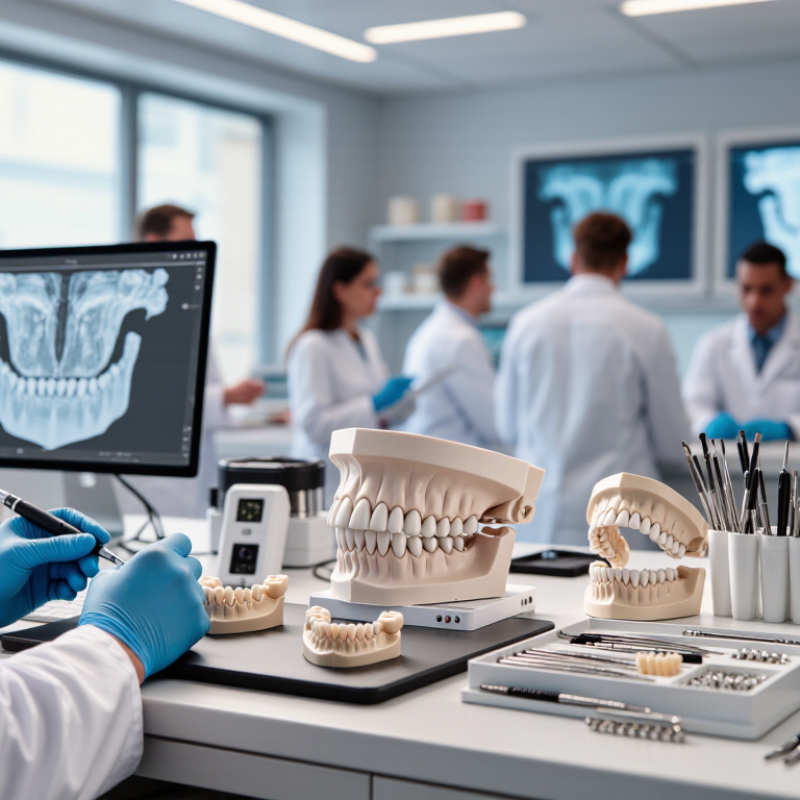
A full-service laboratory can produce crowns, bridges, dentures, implant restorations, and protective appliances. It may also assist with digital design, surgical guides, custom abutments, and temporary restorations. Technicians can discuss material choices, occlusion, contact points, and esthetic expectations with the clinical team. Clear communication helps reduce avoidable adjustments. It also creates a traceable case record.
Quality control should occur throughout the process, not only before shipping. Technicians inspect fit, contours, surface texture, and shade under suitable lighting. Experienced teams also compare the finished restoration with the prescription and approved design.
No laboratory gets every case right. A rushed photo, incomplete instruction, or difficult bite can still create problems.
Honest feedback is essential.
Sometimes, remaking a restoration is the most reliable decision. A dependable laboratory documents revisions, protects patient information, and maintains consistent delivery procedures. These services give dental practices practical support while preserving the clinician’s final responsibility for diagnosis and treatment.
Benefits of Integrated Expertise, Technology, and Quality Control
Why Choose a Full Service Dental Laboratory?
A full service dental laboratory brings clinical knowledge, skilled technicians, digital tools, and quality control into one workflow. This integration can reduce communication gaps between the dental practice and laboratory team. A technician can review preparation scans, margin lines, shade information, and patient-specific instructions together. That context often supports more accurate restorations and fewer avoidable adjustments.
Modern technology adds measurable benefits. Digital design can improve consistency, while milling and 3D printing support precise, repeatable production. However, technology is not a replacement for experience. Skilled technicians still inspect contacts, occlusion, contours, and surface texture by hand. Every case deserves careful attention. No workflow is perfect. Even experienced teams may overlook a small detail when information is incomplete. Clear records and documented quality checks help identify problems before delivery.
Tips: Share high-resolution scans, clear photographs, shade details, and bite records. Ask how the laboratory verifies fit, function, and material quality. Confirm who reviews complex cases before production. A reliable laboratory should explain its process, acknowledge limitations, and communicate when clarification is needed. That honesty may prevent a rushed remake and support more predictable patient care.
Why Choose a Full-Service Dental Laboratory?
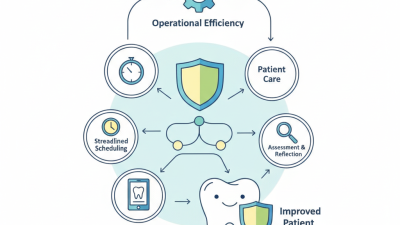
Integrated expertise, digital technology, and documented quality control can improve workflow consistency across key dental laboratory operations.
The chart compares common operational benchmark levels for integrated and distributed laboratory workflows. Higher percentages indicate stronger process coverage, traceability, or consistency. Values are non-company benchmark estimates intended for educational comparison.
When Dentists Should Choose a Full-Service Laboratory
Why Choose a Full Service Dental Laboratory?
When Dentists Should Choose a Full-Service Laboratory
Dentists should consider a full-service laboratory when cases demand several specialties, materials, or production methods. A single complex rehabilitation may involve crowns, implant restorations, removable components, and a protective night guard. Coordinating these stages through one experienced team can reduce handoff errors and improve communication.
The need is substantial. The World Health Organization’s Global Oral Health Status Report estimates that oral diseases affect nearly 3.5 billion people worldwide. In addition, CDC National Health and Nutrition Examination Survey data from 2017–2020 found untreated cavities in 25.9% of U.S. adults aged 20–64. These figures point to varied clinical needs, not identical prescriptions. A full-service laboratory can support that variation with digital design, traditional techniques, shade analysis, implant planning, and repair services under one workflow.
Choose carefully. Dentists should review documented turnaround times, quality-control procedures, technician credentials, and remake policies. Ask how the laboratory manages photographs, scans, prescriptions, and patient-specific instructions. Clear communication matters when a provisional crown feels high or a shade appears different under operatory lighting. No laboratory removes every clinical uncertainty. That is worth admitting. Still, centralized expertise may help practices handling complex cases, growing restorative volume, or limited in-house support. A smaller laboratory may be better for highly personal collaboration. The right choice depends on case mix, not marketing language.
Factors to Consider When Evaluating Laboratory Services
Choosing a Full Service Dental Laboratory
Choosing a full service dental laboratory means evaluating more than turnaround time or price. Workflow matters. Ask how the laboratory verifies prescriptions, scans, materials, shade records, and final fit. A reliable team should provide traceable case records and clear remake policies. ISO 13485-based quality systems can strengthen consistency, although certification alone does not guarantee clinical success.
The World Health Organization’s Global Oral Health Status Report 2022 estimates that nearly 3.5 billion people live with oral diseases. That scale increases the need for dependable restorative support. CMS National Health Expenditure Data reported approximately $172.8 billion in U.S. dental spending during 2023. High spending does not automatically mean high quality. Evaluate measurable results instead. Request documented remake rates, average delivery times, dentist communication procedures, and material certifications. Ask who reviews complex cases. Ask what happens when a case fails. The honest answer may reveal more than a sales presentation.
Tips:
Compare three laboratories using the same case criteria. Review anonymized before-and-after records when permitted. Confirm digital file compatibility before sending scans. Check whether technicians communicate directly with clinicians. Do not select a laboratory only because it promises speed. Faster is sometimes better. Sometimes it is merely rushed. Reassess the partnership after six months, because an early impression can be incomplete. Track adjustments, remakes, delays, and patient complaints in one simple log. That small habit can expose patterns that informal feedback misses.