How to Choose the Best Dental Restoration Technology Options?
Choosing the right dental restoration technology is crucial for achieving optimal oral health. Dr. Emily Thompson, a leading expert in dental restoration, emphasizes, "The right technology can transform a patient’s experience and outcome." This statement highlights the significance of selecting advanced dental restoration technology that aligns with both patient needs and clinical requirements.
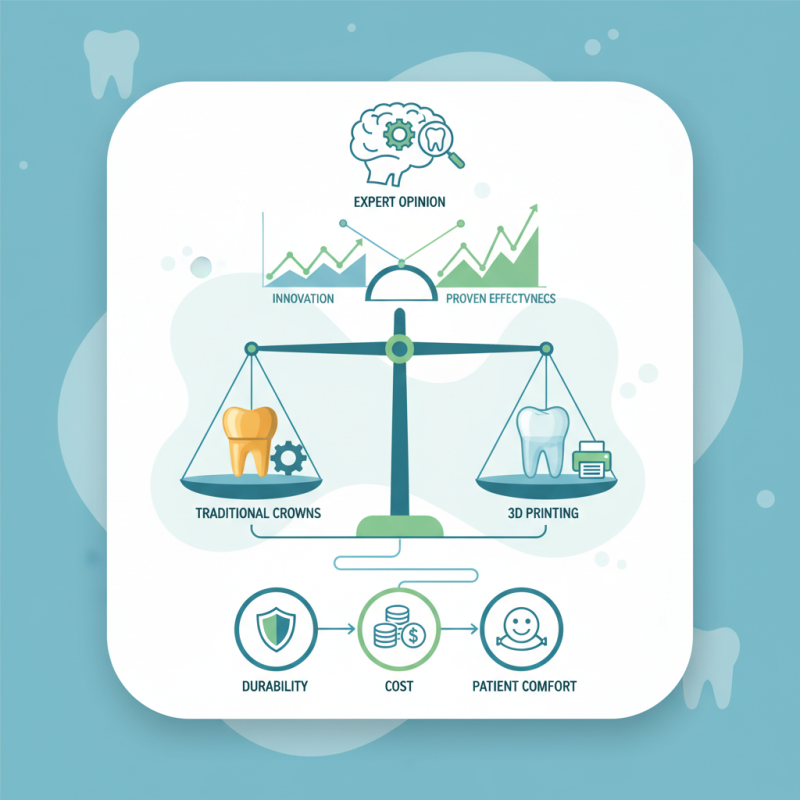
In today's dental landscape, various technologies are available. Options range from traditional crowns to innovative 3D printing methods. Each has its pros and cons, making the selection process complex. It's vital to consider factors like durability, cost, and patient comfort. Many technologies promise quick results but may lack long-term reliability. Therefore, careful evaluation is essential.
Patients often overlook the importance of expert opinion in this area. Understanding different technologies can empower better decisions. However, caution is necessary when exploring new advancements. Not all innovations may yield the expected results. Striking the right balance between innovation and proven effectiveness is crucial in dental restoration technology.
Understanding Dental Restoration Technology: An Overview
Dental restoration technology has evolved significantly in recent years, providing various options for patients needing oral repair. Understanding these technologies is crucial for both dental professionals and patients. According to a recent industry report, over 75% of dental practices now utilize digital impressions. This shift allows for higher accuracy and quicker turnaround times for restorations, improving patient experiences.
One notable technology is CAD/CAM systems, which enable the creation of crowns and bridges on-site. This approach can reduce the need for multiple appointments. However, it requires skilled technicians who can operate these sophisticated machines effectively. Data shows that incorrect fabrications occur in about 10% of cases, underscoring the importance of expertise in dental restoration technology.
Moreover, advancements in biocompatible materials are crucial. These materials promote better integration with natural teeth and gums. Still, there are challenges. For example, while zirconia provides strength, it may lack the translucency many patients desire in aesthetic restorations. Balancing durability with appearance remains a key consideration for dental professionals.
Comparison of Dental Restoration Technologies
Types of Dental Restoration Techniques and Their Applications
When considering dental restoration techniques, several options stand out due to their applications and benefits. Crowns are one of the most common methods. They encase the damaged tooth, restoring its shape and strength. This option is ideal for teeth that have suffered significant decay or trauma. The material used can vary from metal to ceramic, each offering unique durability and aesthetic outcomes. However, crowns can sometimes feel bulky and may require multiple visits.
Another notable technique is composite bonding. This method involves applying a tooth-colored resin to repair minor chips, cracks, or gaps. It is a less invasive option and often completed in a single visit. The downside? It may not be as long-lasting as other techniques. The resin can stain over time, requiring touch-ups to maintain its appearance.
Bridges are also widely used for replacing missing teeth. They consist of artificial teeth anchored to adjacent healthy teeth. While effective, bridges can compromise the structure of natural teeth over time. Patients need to weigh the benefits against potential long-term impacts. Understanding these techniques helps in making informed decisions, guiding you to the right choice for your dental restoration needs.
Evaluating Materials Used in Dental Restorations
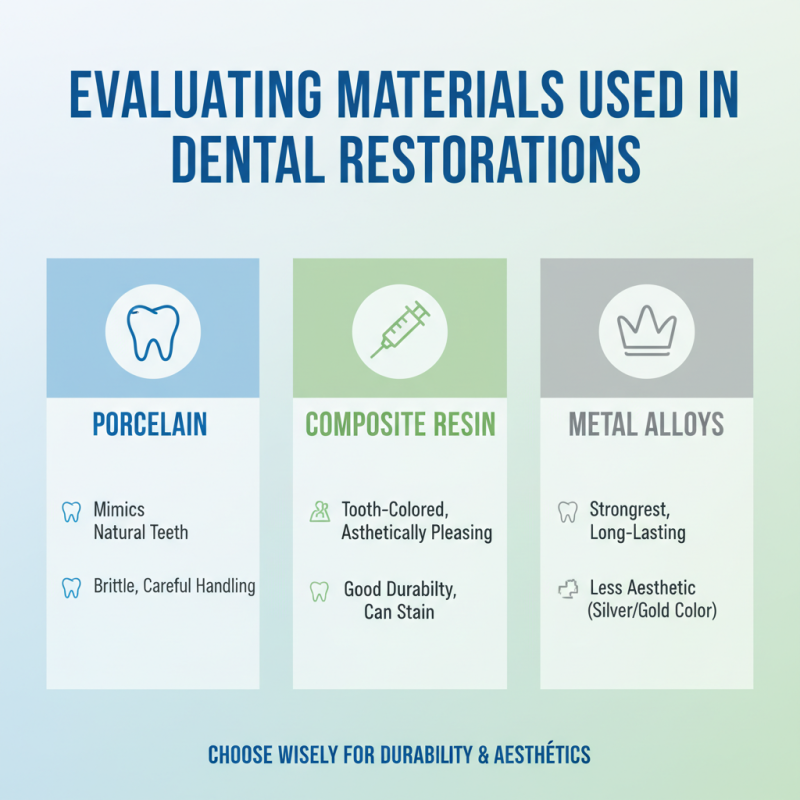
Choosing the right materials for dental restorations is critical. Each type has unique properties that can affect durability and aesthetics. Common materials include porcelain, composite resin, and metal alloys. Porcelain often mimics natural tooth appearance well. However, it can be brittle and may require careful handling.
Composite resin is versatile and can be color-matched to existing teeth. It adheres well and is less invasive during the application process. Yet, it may not last as long as porcelain or metal options. Metal alloys, on the other hand, offer strength and resistance to wear but can be noticeable. Patients should weigh these factors based on personal preferences and clinical requirements.
Material choice also influences the long-term outcomes. Some patients may experience sensitivity or other adverse reactions. Understanding these possibilities is essential. Discussing concerns with a dental professional can provide valuable insights. This dialogue can help identify the best restoration approach tailored to individual needs. Prioritizing both functionality and aesthetics can lead to better patient satisfaction.
Factors to Consider When Choosing Restoration Technology
When selecting dental restoration technology, several key factors deserve careful consideration. A critical aspect is the material used in restorative procedures. Studies show that approximately 55% of patients prioritize longevity and durability over cost. Materials like ceramics are favored for their aesthetics and strength. However, they can be more costly than alternative options. Assessing the balance between quality and expense is essential.
Another factor is the technology’s ease of use. An overwhelming 70% of dental professionals report that advanced technology reduces chair time. Less chair time contributes to increased patient satisfaction. The ability of the technology to integrate with existing systems is also vital. In some cases, technology may seem innovative but require additional training or adaptations.
Finally, consider the potential for future upgrades. The dental field is evolving. The most current technologies are continually updated. Keeping pace with advancements can improve patient outcomes. Many practitioners find it challenging to keep up. Not every investment may yield immediate returns. A thoughtful evaluation of current practices can help ease this transition. It ensures technology chosen meets both present and future needs.
Emerging Innovations in Dental Restoration Technology
Emerging innovations in dental restoration technology are reshaping patient care. One noteworthy advancement is 3D printing. This technique allows for the rapid production of dental crowns and bridges. The precision of 3D printing leads to better-fitting restorations. It reduces the need for multiple visits, saving time for both patients and dentists. However, this technology requires a careful evaluation of materials used. Not all 3D printed materials have proven reliability.
Another significant development is the use of digital scans. Traditional impressions can be uncomfortable. Digital scanning improves patient experience considerably. The scans provide accurate data for creating restorations. Yet, practitioners must ensure their training is up-to-date. Embracing new methods is important, but experience and understanding are key.
Biomaterials are also advancing. New materials mimic natural tooth properties. They offer better aesthetics and durability. Still, long-term data on these materials is limited. Dentists should consider this when discussing options with patients. Each innovation has its pros and cons. Knowing the details helps in making informed decisions. Balancing technology and personal care is crucial in dental restoration.