How to Choose Full Arch Implant Solutions for Global Buyers?
Choosing full arch implant solutions is not a simple price comparison. It affects surgical planning, prosthetic design, maintenance, and patient confidence. Global buyers need evidence, not attractive product photographs.
The World Health Organization’s Global Oral Health Status Report 2022 estimated that oral diseases affect nearly 3.5 billion people worldwide. It also identified severe tooth loss as a significant global health burden, especially among older adults. These figures explain the growing demand for stable, fixed rehabilitation. However, the wider dental implant market is not the same as the full arch segment. Grand View Research has reported continued growth in the global dental implants market, but buyers should examine how each supplier defines its products and outcomes.
Clinical evidence matters more than marketing language. ITI consensus publications emphasize patient selection, implant positioning, surgical accuracy, prosthetic control, and long-term maintenance. Reported survival rates can appear impressive, yet they vary with bone quality, loading protocols, hygiene, and follow-up duration. A number alone is never enough. Ask for peer-reviewed evidence, complication data, warranty conditions, and cases resembling your patient population.
Look beyond the catalog.
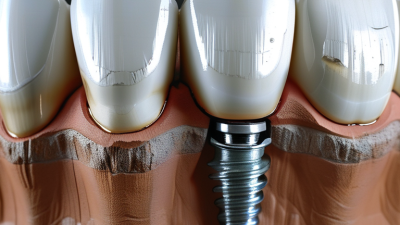
A reliable evaluation should include implant geometry, abutment compatibility, digital workflow, surface documentation, sterilization instructions, and traceability. ISO 13485 certification may support quality management, but it does not replace approval in the target market. Regulatory requirements differ across the European Union, the United States, the Middle East, and Asia-Pacific. This is where some buying guides become too confident. No supplier can remove clinical risk completely. The strongest full arch implant solutions combine documented manufacturing quality, trained clinical partners, transparent support, and realistic expectations after delivery.
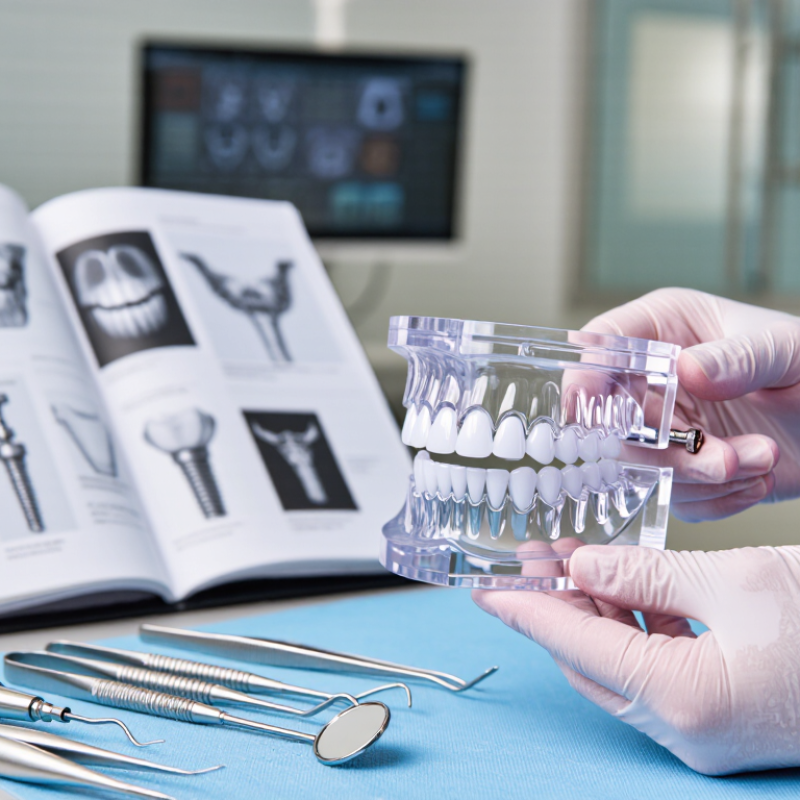
What Full Arch Implant Solutions Include
When global buyers compare full arch implant solutions, they should examine the complete treatment pathway, not only the implant fixtures.
A dependable solution usually includes patient assessment, digital planning, surgical guides, implants, abutments, and a provisional prosthesis. It may also include the final fixed restoration, laboratory components, and maintenance guidance. Details matter.
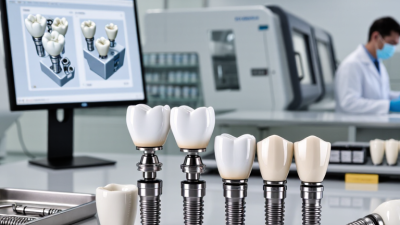
The planning stage should connect clinical findings with practical delivery. Buyers need clear documentation for material composition, sterilization, dimensions, and compatibility. Surgical instruments should be organized and easy to identify during a procedure. A well-designed kit can reduce delays, but it cannot replace clinical judgment. Each patient presents different bone conditions, occlusion, tissue health, and aesthetic expectations.
Support after delivery is another part of the solution. Reliable suppliers should provide technical training, case-planning assistance, product traceability, and responsive communication across time zones. Packaging must protect delicate components during international transport. Regulatory documents should match the destination market and remain easy to verify. A solution may look complete on paper, yet gaps often appear in temporary restoration support or replacement parts. Buyers should test these details with real case scenarios before placing a large order. Even experienced teams can overlook them.
How to Assess Patient Needs and Treatment Goals
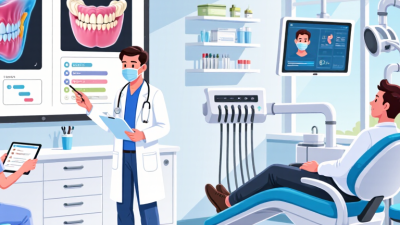
Choosing a full arch implant solution should begin with the patient, not the implant system. The WHO Global Oral Health Status Report (2022) estimates that complete tooth loss affects about 7% of adults aged 20 and older, rising to roughly 23% among adults aged 60–89. These figures show why age alone cannot define treatment. Review medical history, medications, smoking habits, periodontal disease, bone volume, and oral hygiene. A CBCT scan may reveal limited bone, but it cannot measure motivation or cleaning ability.
Treatment goals must be specific. Does the patient want stable chewing, clearer speech, improved facial support, or a removable option with easier maintenance? Ask them to describe a normal meal, not just choose “fixed” or “removable.” Their answers expose practical priorities. The American College of Prosthodontists reports that about 36 million Americans are completely edentulous, while many more have partial tooth loss. Demand is substantial, but expectations vary widely.
The treatment team should compare immediate and staged approaches, material choices, surgical complexity, follow-up access, and long-term repair needs. International buyers also need documented clinical evidence, transparent manufacturing controls, and qualified local support. A successful scan is not enough. Patients may underestimate maintenance. Clinicians may overestimate compliance. That uncomfortable gap deserves honest discussion before consent. Reassess the plan when anatomy, health, or expectations change.
How to Choose Full Arch Implant Solutions for Global Buyers?
How to Assess Patient Needs and Treatment Goals
This example assessment profile ranks the main factors that influence full-arch treatment planning on a 1–10 scale. Higher scores indicate greater importance during solution selection. Clinicians should combine patient expectations with medical history, periodontal status, bone volume, occlusion, esthetic requirements, hygiene ability, and long-term maintenance considerations.
How to Compare Providers, Technology, and Clinical Support
Global buyers need more than a quoted price when choosing full arch implant solutions. Compare providers through documented clinical experience, not polished photographs alone. Ask how many comparable cases the clinical team manages each year. Request anonymized treatment plans, complication rates, and follow-up protocols. Experience should be specific to full arch rehabilitation, not general dentistry.
Technology should make decisions clearer. Review digital scanning, three-dimensional imaging, guided surgery, and laboratory workflows. Ask who verifies the data before surgery. A precise scan cannot correct poor planning. Check implant components’ regulatory status in your market, material documentation, sterilization procedures, and traceability records. Confirm whether temporary teeth can be adjusted quickly after placement. Small delays matter when a patient travels internationally. Do not accept “advanced technology” as evidence by itself. It is only useful when trained clinicians control it.
Clinical support often separates a smooth case from an expensive return visit. Confirm which clinician handles urgent concerns, response times across time zones, and access to local partners. Written maintenance instructions should cover hygiene, diet, occlusion checks, and repair pathways. Ask whether remote reviews use secure records and clear consent procedures. Examine warranty language carefully; coverage may exclude laboratory wear or missed appointments. That detail can surprise buyers. I would also request a communication sample before committing. If explanations are rushed, treatment coordination may be worse. A reputable provider should discuss limitations, alternative plans, and staged treatment without pressure.
How to Evaluate Costs, Risks, Maintenance, and Long-Term Results
Choosing a full arch implant solution requires more than comparing advertised prices. Global buyers should request a written treatment plan, material details, clinician credentials, and follow-up arrangements. A low initial quote may exclude imaging, temporary teeth, travel, adjustments, or replacement components. Ask whether the price covers complications and laboratory work. Costs can change quickly when treatment crosses borders.
Risk assessment should include bone quality, medical history, infection control, sedation, and emergency support. A qualified dental team should explain possible failures, healing delays, and alternative treatments in clear language. Verify professional licensing through official local authorities. Request recent clinical records, not only polished testimonials. I have found that confident promises can hide uncertain assumptions. That deserves careful questioning.
Tips:
Compare total costs over five years, not just surgery fees. Confirm who handles urgent repairs after you return home. Ask how often maintenance visits are needed and where they can occur. Keep implant passports, component references, scans, and treatment notes in secure digital storage. Check the warranty terms carefully, especially exclusions for smoking, poor hygiene, or missed reviews. Long-term results depend on daily cleaning, regular examinations, and realistic expectations. Even excellent surgery cannot remove every biological risk.