How to Source Patient Specific Restorations Worldwide
Sourcing patient specific restorations worldwide is no longer a niche purchasing decision. It is a clinical, technical, and supply-chain responsibility. Each restoration must match the patient’s anatomy, material needs, treatment plan, and local compliance requirements. A mill across the ocean may offer excellent precision, yet distance can complicate shade approval, remakes, customs clearance, and urgent adjustments.
Market data shows why this field is expanding. Grand View Research valued the global dental 3D printing market at approximately USD 4.1 billion in 2023, with strong projected growth through 2030. Fortune Business Insights also reports rapid expansion in the broader medical 3D printing sector. These figures indicate opportunity, not automatic quality. They do not replace clinical judgment.
Prosthodontist Dr. Gordon J. Christensen has often emphasized, “The patient is the most important person in the office.” That principle should guide every international sourcing decision. Buyers should verify ISO 13485 certification, material traceability, design approval workflows, and documented quality controls. They should also request sample cases, production photographs, and clear remake policies. Ask difficult questions early.
A reliable supplier can explain its scanning, CAD, milling, printing, finishing, and inspection stages. It should identify who approves the final design. Communication matters when a margin line is unclear or a screw channel needs correction. Language barriers can create clinical risk.
No sourcing map is perfect. Some published market estimates vary widely, and vendor claims may sound more precise than their evidence. Therefore, compare audited documents with real case outcomes. The safest partnership combines measurable quality, responsive communication, and respect for the clinician’s final responsibility.
Define Patient-Specific Restorations and Their Clinical Applications
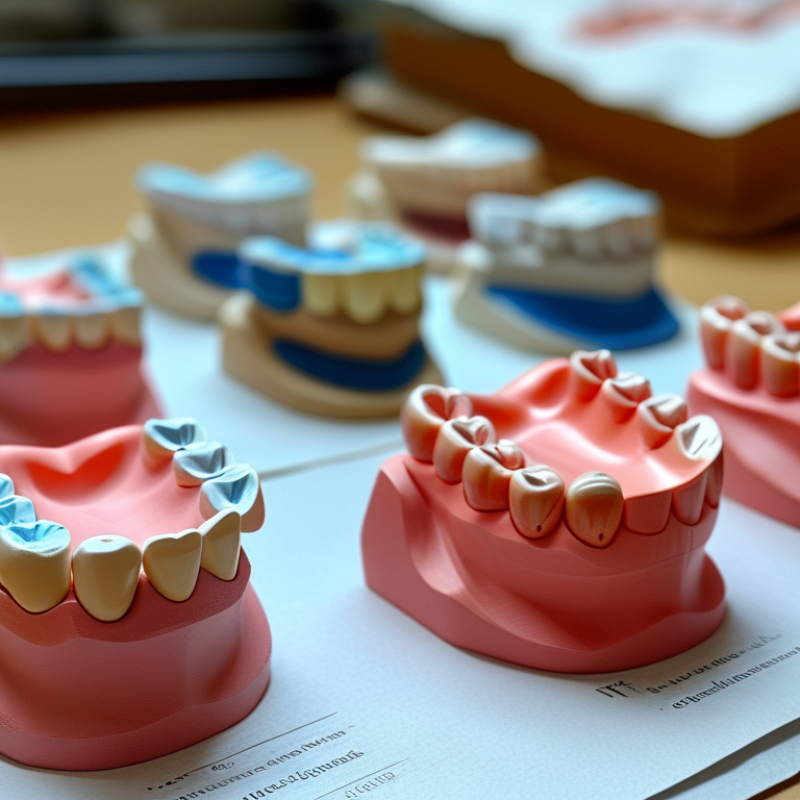
Patient-specific restorations are dental devices designed around one patient’s anatomy, occlusion, function, and aesthetic needs. Digital scans, clinical photographs, and verified prescriptions guide their design. They include crowns, bridges, implant-supported prostheses, surgical guides, and maxillofacial restorations. Unlike standard components, they should reproduce the patient’s bite and surrounding tissue conditions.
The need is substantial. The World Health Organization’s Global Oral Health Status Report 2022 estimates that oral diseases affect nearly 3.5 billion people worldwide. The Global Burden of Disease 2019 study also identified untreated dental caries as one of the most prevalent health conditions globally. These figures support broader access to individualized care, but availability does not equal clinical suitability. A restoration may look precise on screen and still fail because of an inaccurate scan, unclear margin, or unverified material.
Worldwide sourcing requires more than comparing laboratory prices. Clinicians should review the provider’s quality system, material certificates, design records, traceability process, and communication standards. ISO 13485-based controls can offer useful evidence of structured medical-device management. Clear prescriptions remain essential. Include preparation limits, shade information, implant connections, occlusal guidance, and delivery deadlines. Cross-border orders also require checks against local medical-device rules.
The workflow still has weak points. A perfect digital file cannot correct poor clinical records. I would request a test case before larger orders. Fit, contact points, surface texture, and patient comfort should be documented after delivery. Distance can reduce cost, but it can also increase revision time.
How to Source Patient-Specific Restorations Worldwide
Definition and Clinical Applications
Patient-specific restorations are dental devices designed and fabricated for an individual patient using clinical examination, diagnostic records, digital scans or impressions, and the patient’s anatomy, occlusion, functional requirements, and esthetic preferences. Common applications include crowns, bridges, inlays, onlays, veneers, implant-supported restorations, removable prostheses, and digitally planned surgical or orthodontic components.
The chart shows World Health Organization global estimates for oral conditions that commonly lead to restorative or prosthetic treatment planning. The figures describe affected populations, not confirmed restoration orders, and are intended to indicate the scale of potential clinical need when evaluating international sourcing and treatment capacity.
Source: World Health Organization, Global Oral Health Status Report 2022 and oral health fact-sheet estimates.
Identify Patient Needs, Treatment Goals, and Restoration Specifications
Sourcing patient-specific restorations worldwide begins with a clinical brief, not a catalogue. The WHO Global Oral Health Status Report (2022) estimates that oral diseases affect nearly 3.5 billion people. Needs vary widely, from a fractured incisor after trauma to multiple missing posterior teeth. Record the patient’s symptoms, medical history, occlusion, periodontal condition, and daily concerns. Ask what success means to them. Chewing comfort? Speech? A natural smile?
Treatment goals must be measurable. A patient may request “better teeth,” but the team needs clearer targets: restore vertical dimension, improve mastication, or replace one visible tooth. Include photographs, intraoral scans, radiographs, shade information, and margin preferences. State the material, design, connector size, contact points, and delivery deadline. Small omissions create large delays.
The OECD Health at a Glance 2023 report identifies cost as a continuing barrier to dental care across member economies. Therefore, compare the complete pathway, including clinical review, manufacturing, shipping, adjustments, and remakes. Confirm who verifies the prescription and who manages complications. That point is often overlooked. A restoration can be technically excellent yet clinically unsuitable. I have seen specifications become too rigid, leaving no room for biological changes or patient feedback. Build in a review stage, and question every assumption.
Evaluate International Providers, Materials, Technology, and Quality Standards
How to Source Patient Specific Restorations Worldwide
Global sourcing works only when clinical evidence travels with the case. The World Health Organization’s Global Oral Health Status Report 2022 estimates that 2.5 billion people have untreated permanent-tooth caries. This scale increases demand, but it also exposes weak verification. Evaluate providers through documented training, case photographs, remake rates, complaint handling, and traceability. Ask who approves the design, who mills it, and where final inspection occurs. Distance is manageable. Unclear accountability is not.
Compare materials by indication, not price. ISO 6872 classifies dental ceramics by strength, but strength does not guarantee clinical fit. Request material lot numbers, shade protocols, sintering records, and biocompatibility documentation. Digital workflows can reduce transfer errors, yet scanning, software settings, and nesting still need trained oversight. ISO’s 2023 Survey shows ISO 13485 certification across many countries, making geography a poor quality signal. A certificate alone is not proof. Review its scope, audit status, and connection to the actual laboratory.
Tips: Request a complete digital case file before production. Confirm ISO 13485 processes, ISO 14971 risk controls, and applicable local conformity requirements. Check whether the provider records design revisions and final inspection images. I would also test one complex case first; assumptions often fail under pressure.
Verify Production Accuracy, Delivery Safety, and Long-Term Clinical Support
Sourcing Patient-Specific Restorations Worldwide
Sourcing patient-specific restorations across borders requires more than comparing quotations. Production accuracy should be verified before shipment. Ask for a documented digital workflow, material certificates, and inspection records for each case. The provider should confirm margins, occlusion, shade, and implant connections against the approved prescription. Calibrated scanners and consistent quality-control checks matter. So does human review. In my experience, small discrepancies often appear at the finish line, not in the first digital preview. That is where clinical communication becomes essential.
Delivery safety starts with case identification. Use sealed packaging, moisture protection, and clear labels that match the prescription without exposing unnecessary patient information. Request photographs before dispatch and a tracking process with handling considerations for sensitive materials. International transit can introduce delays, customs questions, or damaged boxes. Build time for inspection on arrival. A restoration that arrives one day late can still disrupt an appointment. A restoration that arrives altered may require a remake.
Long-term clinical support should be agreed before the first order. Clarify remake policies, adjustment guidance, communication hours, and responsibility for follow-up questions. Secure channels help protect patient records. Keep the dentist in control of final acceptance. Remote support is useful, but it cannot replace local clinical examination. I have also learned that rushed approvals create avoidable errors. No workflow is flawless. Review each case, record recurring issues, and revise the checklist. Reliability grows through evidence, honest feedback, and consistent follow-through.