How to Choose the Best Implant Dentistry Solutions for You?
Choosing the right implant dentistry solutions is vital for long-term oral health. According to the American Dental Association, nearly 70% of adults aged 35 to 44 have lost at least one tooth. This statistic highlights the need for effective dental replacement options. Implant dentistry offers a promising solution, blending aesthetics with functionality. A report from the National Institute of Dental and Craniofacial Research indicates that dental implants have a success rate of about 95%.
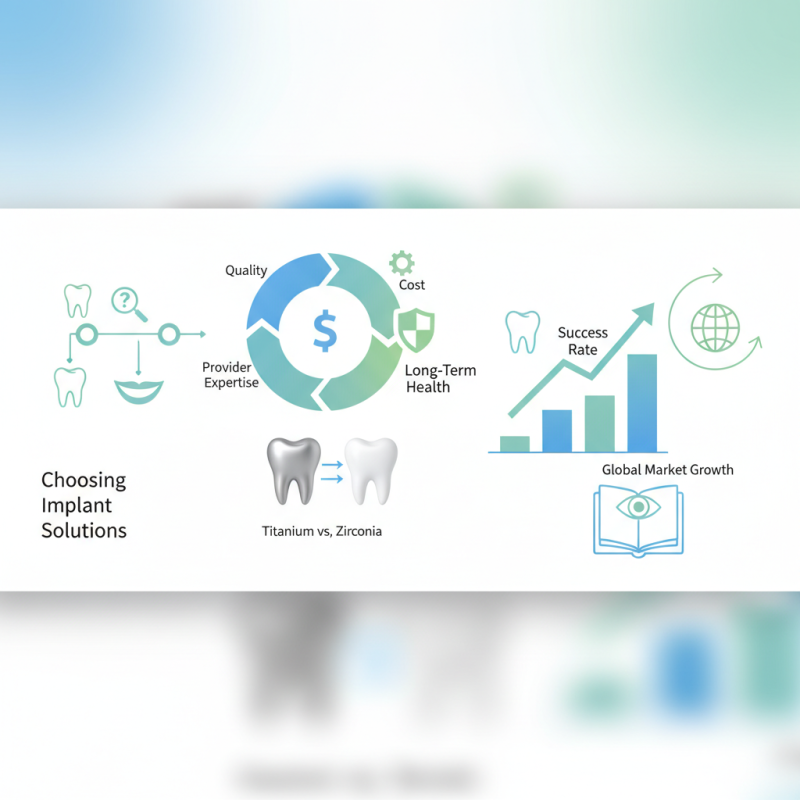
However, selecting the best implant solutions can be complex. Quality varies among providers, and costs can differ significantly. The global dental implants market is projected to reach $9.6 billion by 2025, reflecting the growing demand for these services. Patients must weigh options carefully. Not all implants are created equal, and the right choice can significantly impact overall satisfaction and health.
Reflecting on personal needs and consulting established professionals is essential. Exploring various types of implants—such as titanium vs. zirconia—will lead to more informed decisions. Reliable sources of information are crucial in this journey. Balancing cost, quality, and provider expertise is key for achieving the best outcome in implant dentistry solutions.
Understanding the Basics of Implant Dentistry
Implant dentistry offers a revolutionary solution for tooth loss. Understanding its basics is crucial for anyone considering this option. Implants consist of small titanium posts that function like tooth roots. A crown is placed on top to restore the appearance and function of your smile. This procedure is widely regarded for its durability and long-term success.
When exploring implant options, consider your specific dental needs and health conditions. Not every patient is a suitable candidate. Factors like bone density and overall health can influence the outcome. Choosing an experienced dentist is essential. They can assess your situation and recommend the best course of action. Sometimes, patients feel overwhelmed by the choices available. It’s okay to ask questions and seek clarity.
Consultations are a good opportunity for reflection. Take note of the dentist’s approach and the technology used. You may notice that not all dental practices prioritize patient comfort equally. Finding the right fit involves a bit of trial and error. Be prepared to evaluate your options realistically. This journey is as much about personal comfort as it is about dental health.
How to Choose the Best Implant Dentistry Solutions for You? - Understanding the Basics of Implant Dentistry
| Criteria |
Considerations |
Options |
Pros & Cons |
| Type of Implant |
Titanium vs. Zirconia |
Endosteal, Subperiosteal |
Durability (Titanium), Aesthetics (Zirconia) |
| Treatment Plan |
Single vs. Multiple Implants |
Full mouth reconstruction |
Comprehensive solution, Higher cost |
| Healing Time |
Immediate vs. Delayed Loading |
Temporary crowns |
Faster results (Immediate), Longer healing (Delayed) |
| Cost |
Insurance coverage, Payment plans |
Financing options, Discounts |
Affordability, Potential hidden costs |
| Dentist Experience |
Qualifications, Training |
Board certification |
Expertise, Varies per practitioner |
Identifying Your Dental Needs and Goals
When considering implant dentistry solutions, it is crucial to assess your dental needs and goals. Research indicates that approximately 69% of adults aged 35 to 44 have lost at least one permanent tooth. This statistic underscores the importance of understanding your unique situation. Are you looking for a solution for a single tooth, or do you need multiple implants? Knowing your needs clearly can steer you toward the right treatment options.
Tips: Evaluate your oral health status. Are there underlying issues like gum disease? Such factors significantly impact the success of implants. Additionally, think about your lifestyle. Do you desire a quick recovery? Some implants require longer healing periods than others.
Your long-term goals matter. Do you want stability, improved functionality, or enhanced aesthetics? Research shows that 95% of dental implant procedures are successful when performed correctly. However, individual expectations may vary. Take time to reflect on how implants would fit into your overall dental health journey. This will help you make informed decisions that align with your aspirations.
Implant Dentistry Solutions Analysis
This bar chart illustrates the importance scores for various implant dentistry solutions based on common dental needs and goals. Each score reflects the significance of the respective procedure in ensuring a successful dental implant experience.
Evaluating Different Types of Dental Implants
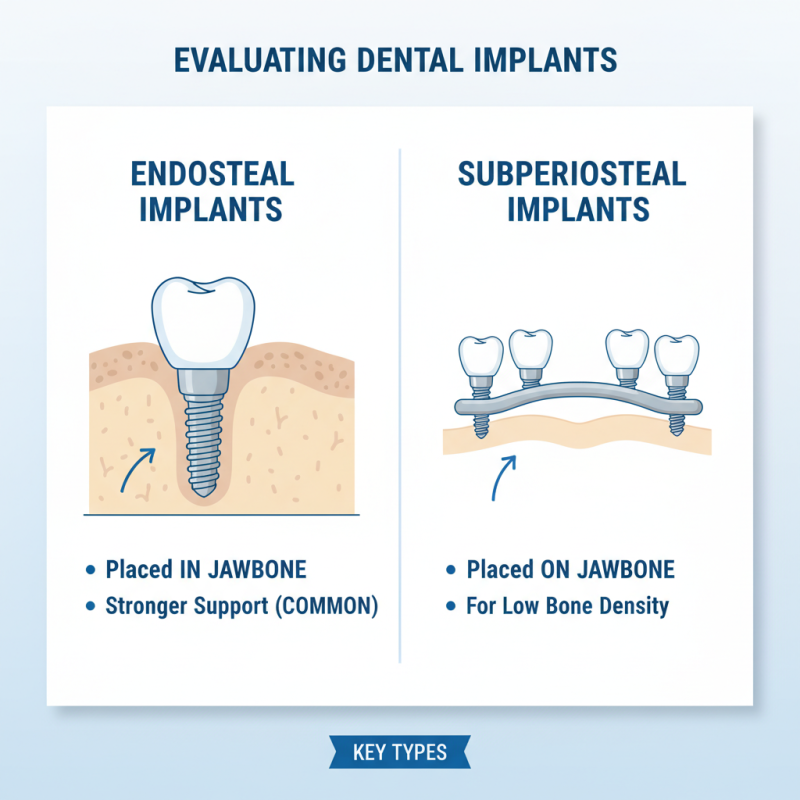
When evaluating different types of dental implants, it's crucial to understand the various options available. Two primary types are endosteal and subperiosteal implants. Endosteal implants are placed within the jawbone and are the most common type. They typically provide stronger support due to direct integration with the bone. In contrast, subperiosteal implants sit on top of the jawbone, making them suitable for patients with insufficient bone density.
According to the American Academy of Implant Dentistry, approximately 3 million people in the U.S. have dental implants, and that number is growing by about 500,000 annually. This surge in popularity highlights the reliability of implants as a long-term solution for tooth loss. However, patients must consider individual factors like bone health, the surgical process, and recovery times. Some patients may feel discomfort or experience complications during healing, which can impede progress.
Many professionals recommend comprehensive consultations to discuss risks and benefits tailored to individual needs. A patient’s oral health, lifestyle, and financial situation should all impact their choices. Research indicates that better-prepared patients have more successful outcomes, making it essential to weigh all options before making a decision.
Factors to Consider in Choosing a Dental Implant Provider
Choosing a dental implant provider involves several important factors. Always look for a professional with extensive experience in implant dentistry. Look for their qualifications and track record. A confident provider should be able to share case studies and testimonials from satisfied patients. This builds trust and reliability.
Tips: Ask about the implant techniques used. Some dentists may use advanced methods that could enhance your recovery. Discuss your concerns openly to gauge their response to your needs. An attentive provider shows they care about patient satisfaction.
Consider the technology available at the dental facility. High-quality equipment can lead to more successful outcomes. Inquire about the materials used for implants. The right material can affect longevity and healing. A knowledgeable provider should offer detailed explanations and answer all your questions. This transparency is crucial.
Finally, reflect on the overall atmosphere of the clinic. A comfortable, clean environment indicates professionalism. Ensure you feel at ease. The personal connection with your provider also matters significantly. Don’t rush your decision; thoughtful consideration can lead to better results.
Assessing Cost and Financing Options for Implant Dentistry
When considering dental implants, understanding the cost and financing options is crucial.
According to the American Academy of Implant Dentistry, the average cost of a single dental implant can range from $3,000 to $4,500.
This price often varies based on the complexity of the procedure. Location can also influence costs. For instance, urban areas typically have higher prices compared to rural settings.
Financing can make dental implants more accessible. Many dental offices offer payment plans, allowing patients to spread costs over time.
A June 2022 report from Dental Economics indicated that nearly 60% of patients use financing options for dental procedures.
Additionally, dental insurance may cover a portion of the costs, but policies vary widely. This variance can leave patients with unexpected out-of-pocket expenses.
It's essential to factor these costs into your decision-making. Many clinics provide a free consultation.
This offers an opportunity to discuss options and costs in detail. Transparency. about pricing is vital.
Some practices might have hidden fees. Patients should proactively ask for a complete breakdown of expenses.