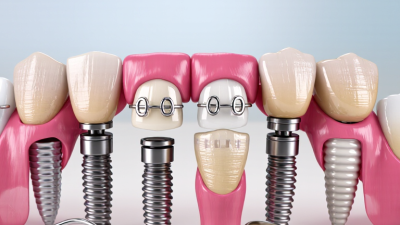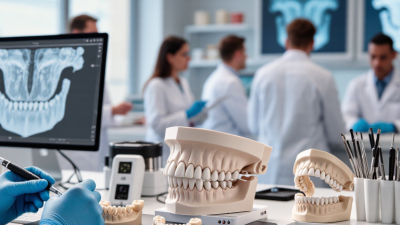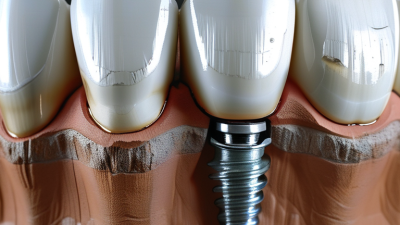
Dental laboratory technology is changing how laboratories design, produce, and deliver restorations across international markets. CAD/CAM systems, intraoral scanning, 3D printing, artificial intelligence, and cloud-based collaboration now connect dentists with laboratories in minutes. The visible result may be a crown, aligner, or surgical guide. Behind it sits a complex workflow of software, materials, calibration, and human judgment.
Christian Coachman, DDS, founder of Digital Smile Design, has said, “Digital dentistry is not about technology; it is about improving communication.” This principle matters for global buyers. A fast scanner is not enough. Buyers should examine accuracy, open-file compatibility, software training, service response, and material validation. A printer may promise impressive speed, yet poor post-processing can affect fit and surface quality. Small details matter.
This guide explores the leading dental laboratory technology trends shaping purchasing decisions worldwide. It considers practical performance, not only promotional claims. Regional regulations, technician skills, maintenance access, and data security also deserve careful review. A laboratory may invest heavily and still struggle with workflow integration. That uncomfortable possibility should remain visible. Technology can reduce remakes and improve consistency, but it cannot replace trained technicians or disciplined quality control. For global buyers, the strongest investment is rarely the newest machine alone. It is a reliable, supported system that produces repeatable clinical outcomes across real working conditions.
WHO estimates that 3.5 billion people live with oral diseases worldwide, revealing demand far beyond cosmetic dentistry. Untreated tooth decay remains widespread, while gum disease, tooth loss, and oral cancers add clinical pressure. For global buyers, this scale changes laboratory priorities. Reliable restorations, efficient workflows, and accessible production matter more than novelty. In practical purchasing reviews, a beautiful crown is useless if delivery takes too long. Yet speed alone can create remakes.
Digital impressions, CAD/CAM design, milling, and 3D printing can shorten turnaround and improve repeatability. However, technology does not replace skilled dental technicians. Shade matching, margin design, occlusal checks, and final inspection still require human judgment. Buyers should examine training records, material traceability, calibration procedures, data security, and technical support. Regional needs also differ. Rural clinics may prioritize durable basic prostheses, while urban centers may request complex implant restorations. One universal solution is unlikely. The industry may sometimes overvalue automation.
Tips: Compare total workflow value, not equipment price alone. Request sample cases and documented quality checks. Confirm compatibility with existing scanners, software, and materials. Ask how remakes are investigated. Small details matter. WHO’s global figure is a warning: laboratory technology should improve access, consistency, and clinical trust, not simply appear advanced.
Evidence-based global demand indicators and technology considerations for dental laboratory purchasing decisions
| Technology Trend | Verified Global Demand Indicator | Relevant Data | Laboratory Application | Buyer Evaluation Criteria | Reference |
|---|---|---|---|---|---|
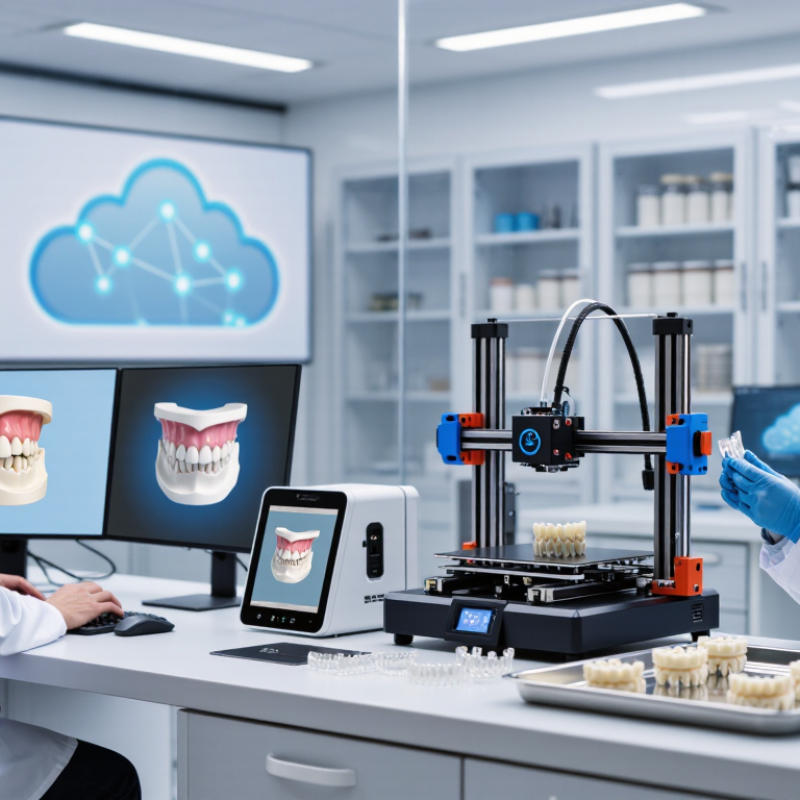
| Digital CAD/CAM Workflows | Oral diseases affect approximately 3.5 billion people worldwide, creating sustained demand for restorative and prosthetic treatment capacity. | Dental caries, periodontal disease, tooth loss and oral cancers are among the major global oral-health conditions identified by the World Health Organization. | Digital design and computer-aided manufacturing can support repeatable production of crowns, bridges, inlays, onlays, implant restorations and removable prosthetic frameworks. | Check file compatibility, design accuracy, workflow integration, training requirements, service support and the ability to process open digital formats. | WHO |
| Intraoral and Laboratory Scanning | Untreated dental caries in permanent teeth affects approximately 2 billion people globally. | High treatment demand increases the value of efficient digital impression capture and accurate laboratory data transfer. | Scanners are used to receive, verify and process digital impressions for fixed restorations, aligner-related models, implant planning and diagnostic workflows. | Compare accuracy, scanning speed, export formats, data security, calibration procedures and interoperability with laboratory design software. | WHO |
| Additive Manufacturing and 3D Printing | Untreated caries in primary teeth affects approximately 514 million children worldwide. | Large pediatric and restorative-care needs support demand for fast model, tray, guide and temporary-appliance production. | Common laboratory uses include printed study models, surgical guides, custom trays, denture bases, provisional restorations and orthodontic appliances, subject to material indications. | Verify validated materials, layer resolution, build volume, post-processing requirements, traceability and regulatory documentation for each intended use. | WHO |
| High-Strength Ceramic Restorations | Severe periodontal disease affects approximately 1 billion people globally and is a major contributor to tooth loss. | Tooth loss and restorative rehabilitation create demand for durable, esthetic and digitally manufacturable restorative materials. | High-strength ceramics are used in selected crowns, bridges and implant-supported restorations, with material selection depending on indication, design and clinical requirements. | Assess certified material systems, shade consistency, milling or printing compatibility, sintering performance, strength data and technical documentation. | WHO |
| Digital Denture Production | Complete tooth loss affects approximately 7% of people aged 20 years or older and 23% of people aged 60 years or older, according to WHO estimates. | Population ageing and tooth loss continue to support demand for complete and partial denture services. | Digital denture workflows can combine scanning, virtual tooth arrangement, digitally designed bases and repeatable manufacturing procedures. | Review denture-base materials, tooth libraries, reline and remake workflows, customization options, fit verification and technician training. | WHO Global Oral Health Status Report |
| Implant and Guided-Surgery Workflows | Tooth loss is identified by WHO as a major oral-health burden associated with caries, periodontal disease, trauma and other conditions. | Implant-supported restorations require coordinated clinical, imaging, design and laboratory data throughout the treatment process. | Laboratories may support implant planning, surgical-guide design, custom abutment workflows, provisional restorations and final prosthetic production. | Check implant-system compatibility, scan-body libraries, design validation, surgical-guide material indications and communication procedures with clinicians. | WHO Global Oral Health Status Report |
| Cloud-Based Case Collaboration | WHO identifies oral diseases as a major global health burden affecting people across all income levels and regions. | Cross-border laboratory services require secure exchange of prescriptions, scans, photographs, designs and production status information. | Cloud collaboration can support case submission, file review, digital approvals, revision tracking and communication between clinics and laboratories. | Evaluate encryption, user permissions, audit trails, backup procedures, data residency, privacy compliance and export capability. | WHO Global Oral Health Status Report |
| Quality Management and Traceability | WHO reports that oral diseases are largely preventable and that access to appropriate prevention, diagnosis and treatment remains uneven globally. | International buyers increasingly require documented processes for materials, equipment calibration, production checks, corrections and patient-case traceability. | Quality systems help laboratories standardize incoming files, design approval, manufacturing, finishing, inspection, packaging and complaint handling. | Request documented quality procedures, batch records, calibration logs, material certificates, corrective-action processes and conformity evidence relevant to the destination market. | ISO 13485 |
Data note: Global figures are rounded values reported or summarized by the World Health Organization. Technology applications and purchasing criteria may vary according to local regulations, clinical indications, material instructions and laboratory qualifications.