Before you even discuss a treatment plan, your patients are forming an opinion based on what they see, hear, and smell. A spotless operatory, organized instruments, and a clear commitment to cleanliness communicate professionalism and build immediate confidence. Excellent dental practice hygiene is one of your most powerful marketing tools, assuring patients they are in safe, capable hands. It reinforces the quality of your clinical work and fosters the trust needed for case acceptance and long-term loyalty. This article provides actionable checklists and protocols to ensure every aspect of your practice reflects the high standard of care you provide to every patient.
Hygiene in your dental practice is the quiet engine behind clinical excellence. When asepsis is disciplined and visible, confidence rises, schedules hold, and treatment outcomes improve. From reception surfaces to sterilizer logs, a clean chain of custody turns infection control into a daily competitive edge.
Your Daily Dental Hygiene Checklist
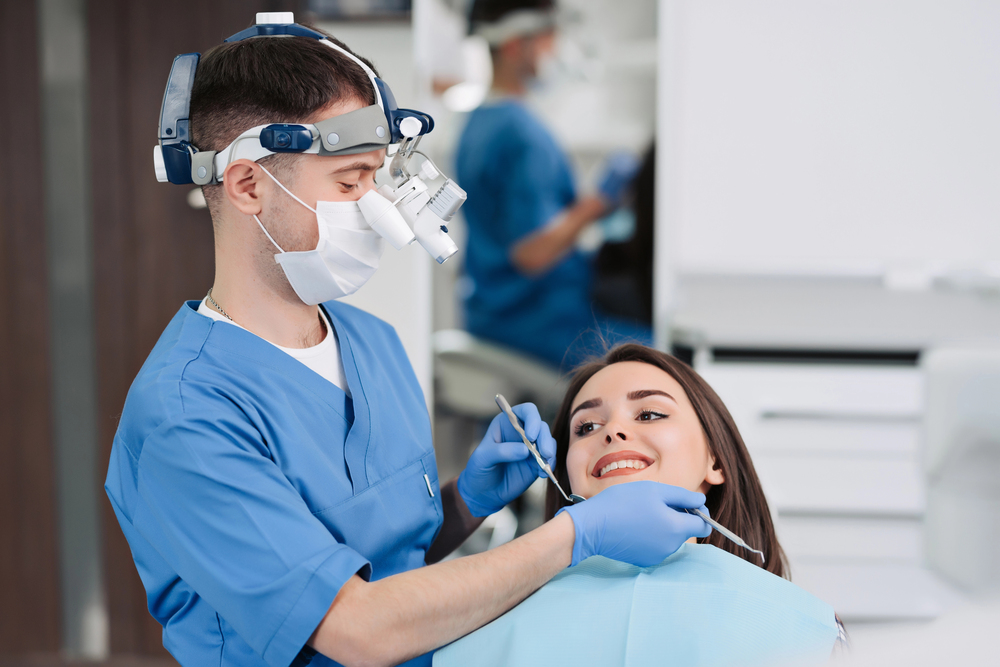 Consistent hand hygiene, appropriate PPE, and surface decontamination form the baseline for safe care. Alcohol-based rubs at every doorway speed compliance, while fit-tested masks and eye protection reduce exposure during aerosol-generating procedures. Between patients, high-touch zones like chair controls, light handles, and keyboards get a swift clean plus a registered disinfectant contact time. These rhythms reduce cross-contamination risk and keep ops moving.
Perfecting Your Instrument Reprocessing Workflow
A tight flow moves from chairside pre-clean to ultrasonic or washer-disinfector, inspection, packaging, and sterilization with mechanical, chemical, and biological monitoring. Rigid cassettes protect edges, simplify setups, and reduce sharp incidents. Printed cycle reports, integrator strips inside each pack, and weekly spore tests create a verifiable trail. When a parameter fails, the response is immediate: quarantine the load, reprocess, document, and retrain if needed.
Are Your Waterlines Passing the Test?
Biofilm will exploit neglect. Daily purges, continuous antimicrobial tablets, and scheduled shock protocols keep counts down. Assign each op a log that records product, dates, and test outcomes. Monthly ATP or heterotrophic plate counts help detect drift before it becomes a pattern. If a line fails, pull that room offline, shock thoroughly, retest, and only then return to patient care.
Maintaining Clean Air, Suction, and Surfaces
Dry, filtered air protects turbines and patients alike. Drain compressor tanks, replace filters on schedule, and track pressure at the chair to catch early leaks. Suction traps and amalgam separators get daily and weekly care to prevent foaming and flow loss. In the room, clean floors, launder barriers that are reusable, and rotate privacy curtains or chair coverings per policy. A tidy setting signals professionalism and reduces bioburden reservoirs.
From Sterilizer to Chairside: Smart Staging and Storage
After sterilization, let the packs dry fully to avoid wicking, then store them in clean, closed cabinets away from sinks. Date and rotate stock so the oldest packs leave first. In the operatory, stage only what is needed for the planned procedure. If plans change, remove unused sterile packs before opening others. This trims waste and keeps surfaces uncluttered for faster terminal cleaning between visits.
How to Train Your Team for Flawless Hygiene
Hygiene in your dental practice lives or dies on culture. New hires get a hands-on onboarding that covers donning and doffing, chem handling, spill kits, sterilizer operation, and waterline protocols. Quarterly drills simulate a failed spore test or a splash exposure so the response is automatic. Short, unannounced audits keep habits sharp and turn gaps into quick wins, not blame.
Empowering Patients: Extending Hygiene Beyond the Operatory
Your work inside the operatory is only half the battle. True, lasting oral health is built on the daily habits your patients practice at home. Empowering them with clear, simple, and compelling education transforms them from passive recipients of care into active partners in their own health. When patients understand the “why” behind your recommendations, they are far more likely to follow through. This creates a positive feedback loop: better home care leads to better checkups, which reinforces their efforts and builds loyalty to your practice. It’s about extending your standard of care beyond the chair and into their daily lives.
Defining Oral Hygiene and Its Connection to Overall Health
Start by framing oral hygiene as a cornerstone of total wellness, not just a matter of clean teeth. Explain the mouth-body connection in straightforward terms: infections in the mouth can contribute to systemic health problems, including heart disease and stroke. This context elevates the importance of their daily routine. Reinforce the benefits of a strong at-home regimen by explaining that consistent brushing and flossing are the keys to preventing disease and keeping their natural teeth for a lifetime. When patients understand that good oral health helps them speak, eat, and smile with confidence, they become more invested in the process.
Helping Patients Understand Common Dental Problems
Demystify the science behind common dental issues. Describe dental plaque as a sticky film of bacteria that causes both cavities and gum disease. Use simple analogies to explain how plaque hardens into tartar, which can only be removed professionally. Equip them to recognize the early signs of poor oral hygiene, such as bleeding gums, persistent bad breath, or mouth sores. It’s also crucial to outline the progression of gum disease, starting with gingivitis—a reversible stage marked by red, swollen gums—and explaining how, if left untreated, it can advance and lead to tooth loss, potentially requiring complex restorative solutions like hybrid dentures.
Core Recommendations for At-Home Patient Care
Provide clear, actionable instructions for daily care. Emphasize proper brushing techniques, including the use of a fluoride toothpaste to strengthen enamel and prevent decay. Stress the importance of cleaning between teeth at least once a day to remove plaque and food particles that a toothbrush can’t reach. When it comes to choosing the right oral care products, guide them based on their specific needs, whether it’s floss, water flossers, or interdental brushes. The American Dental Association notes that the best method is the one a patient will use consistently, so work with them to find a routine that fits their lifestyle.
Discussing Lifestyle, Diet, and Other Health Factors
Broaden the conversation to include lifestyle factors that directly impact oral health. Discuss the impact of diet, explaining the clear link between high sugar consumption and the development of cavities. Encourage them to be mindful of sugary drinks and snacks between meals. It’s also essential to issue direct warnings about tobacco use, as smoking significantly increases the risk of developing gum disease and oral cancer. If relevant, you can also touch on the risks associated with oral piercings, such as chipped teeth and gum injury. These conversations position you as a comprehensive health advisor, showing you care about their overall well-being.
Reinforcing the Value of Professional Dental Visits
Finally, connect their at-home efforts back to the essential role of professional care. Explain that regular dental visits are not just for fixing problems but are crucial for preventing them. Set a recall frequency that is tailored to their individual risk level for cavities or gum disease. Frame these appointments as a partnership where you can perform professional cleanings, monitor their progress, and create a personalized home care plan to address any specific challenges. This reinforces that your practice is their dedicated ally in maintaining excellent oral health for the long term, ensuring their smiles remain healthy and functional.
Connecting Great Hygiene to Predictable Results
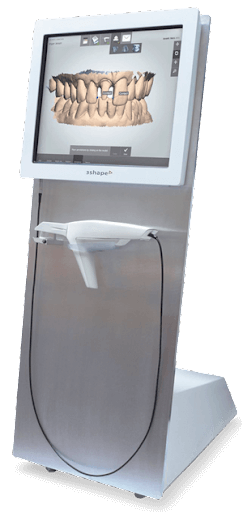
Strong infection control pairs with a dependable lab to keep clinical days calm and on time. At Next Dental Lab, we support disciplined protocols with consistent fits, clean contacts, and materials that stand up to daily sterilization and chairside finishing. Send digital scans with photos and RX, and receive crowns, bridges, removables, and implant work designed for smooth seating and minimal adjustments. Open‑system submissions make transfers fast and traceable, while responsive case communication keeps the team aligned. Register today, connect the scanner, and turn a high‑hygiene workflow into reliable, patient‑ready restorations.
Frequently Asked Questions
What’s the single biggest hygiene mistake you see dental practices make? It’s rarely one major error but rather a lack of consistency across the board. A practice might have a flawless instrument sterilization process but let its waterline maintenance slide, or a team might be diligent about operatory wipe-downs but get lax with hand hygiene. True practice hygiene is a complete system. The goal is to ensure every step, from the front desk to the sterilization bay, is handled with the same level of discipline.
How can I motivate my team to consistently follow our hygiene protocols? Motivation often grows from a sense of ownership and understanding. Instead of just providing a checklist, take the time to explain the reasoning behind each protocol. Regular, hands-on training and drills are far more effective than simply handing someone a manual. Most importantly, lead by example. When your team sees you personally adhering to every standard, it creates a culture where high-quality hygiene is the norm, not the exception.
Why is patient education on home care so important for my practice? Think of it as protecting the investment of your clinical work. You can place a perfect restoration, but its long-term success depends heavily on the patient’s ability to maintain the health of the surrounding tissues. When you educate patients effectively, they transform from passive recipients of treatment into active partners in their own health. This collaboration leads to better clinical outcomes and builds the kind of deep trust that fosters loyalty.
My instrument reprocessing workflow feels inefficient. Any tips for streamlining it? The most efficient systems are designed to minimize instrument handling and reduce the chance of errors. Using cassettes is a fantastic starting point because they keep setups organized from the chair, through the washer and sterilizer, and into storage. Also, establish a clear, one-way physical path for instruments to travel, creating a distinct separation between contaminated and sterile zones. A well-organized space with clear labels makes the correct process the easiest process.
How does our in-office hygiene impact the quality of work we get from our dental lab? It has a direct effect, particularly in a digital workflow. A meticulously maintained intraoral scanner with a clean, unscratched lens will capture a far more accurate and detailed impression. Likewise, properly functioning suction and clean, dry air are essential for achieving the clear field needed for a precise scan. Sending a clean, distortion-free digital file gives your lab the best possible information to create a restoration that seats predictably with minimal adjustments.
Key Takeaways
- Make Hygiene Your Silent Marketing Tool: Consistent, visible cleanliness protocols, from instrument reprocessing to waterline maintenance, build immediate patient trust and reinforce the quality of your clinical work.
- Turn Patients into Partners in Their Health: Go beyond the operatory by teaching patients how oral hygiene impacts their overall wellness. Clear, actionable at-home care instructions create better long-term outcomes and strengthen patient loyalty.
- Pair Strong Protocols with a Dependable Lab: Meticulous in-office hygiene is the foundation for predictable restorative work. Combining your high standards with a consistent lab partner ensures every case results in a smooth, successful seating.
Related Articles
- The Importance Of Hygiene In Your Dental Practice
- Top Mistakes Made In Dental Equipment Care – Next Dental Lab
- Dental Technology: Modern Innovations & Benefits for Dentists | Next Dental Lab
- When Dental Equipment Breaks Down: A Dentist’s Repair Guide
- Essential Dental Surgery Tools Every Practice Should Have