Top Innovations in Dental Prosthetics Shaping the Future of Oral Care?
Dental prosthetic innovation is rapidly transforming the landscape of oral care. According to a market research report by Grand View Research, the global dental prosthetics market is projected to reach approximately $12 billion by 2025. This growth reflects advancements in technology, materials, and techniques.
Dr. Emily Tran, a leading expert in dental materials, emphasizes, "Innovation in dental prosthetics is key to improving patient outcomes." Metal-free restorations, digital scanning, and 3D printing are just a few innovations driving the industry forward. These advances not only enhance aesthetics but also improve functionality.
However, challenges remain. Access to the latest technologies can be limited in certain regions. The cost of advanced materials may not be feasible for all practices. As the field evolves, ensuring equitable access to innovations is paramount for holistic oral care. As dental professionals, we must reflect on how to bridge these gaps while embracing new trends.
Advancements in Materials for Dental Prosthetics
In recent years, dental prosthetics have seen remarkable advancements in materials. These innovations are transforming oral care, providing better comfort and durability. One significant development is the use of biocompatible materials. These materials integrate seamlessly with the human body. Patients report fewer allergic reactions, showcasing a reliable alternative to traditional options.
A notable mention in this field is the rise of 3D printing technologies. This method allows for precise customization. Dentists can create prosthetics that match the unique contours of a patient’s mouth. The precision enhances comfort and functionality. However, not all practitioners are fully trained in this technology. This gap poses a challenge in maximizing its benefits for patients.
While these innovations are promising, they are not free from concerns. The cost of new materials can be high. Patients may struggle to afford these advanced options. Additionally, the long-term durability of newer materials is still a subject of research. Ongoing studies are needed to ensure that these innovations hold up over time, providing reliable solutions for patients.
Top Innovations in Dental Prosthetics Shaping the Future of Oral Care
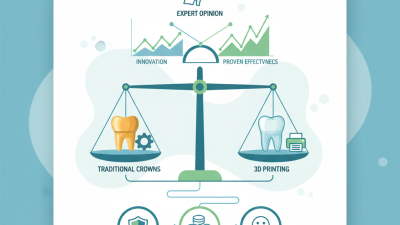
This chart illustrates the advancements in various materials used for dental prosthetics over the last decade. The data reflects the popularity and effectiveness of different materials.
Digital Technologies Transforming Dental Prosthetic Design
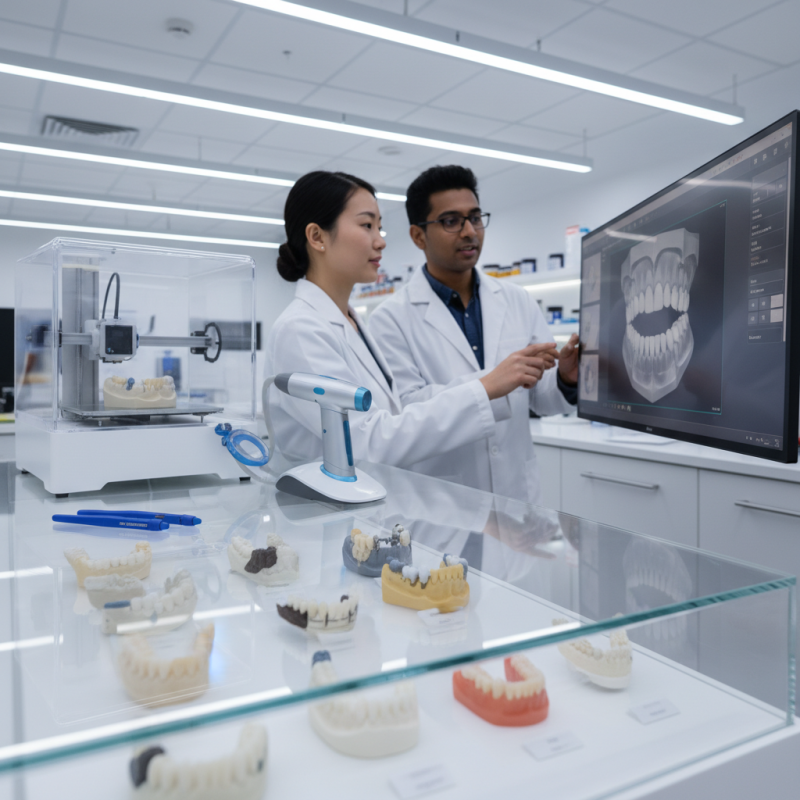
Digital technologies are revolutionizing dental prosthetic design. Advancements like 3D printing and CAD/CAM systems enhance precision. Patients benefit from faster and more accurate fittings. The digital workflow streamlines the process, reducing chair time significantly. Traditional methods often involve cumbersome impressions, causing discomfort. Yet, digital scans provide a more comfortable experience, leading to better patient satisfaction.
Innovations in material science also play a crucial role. Materials used today are stronger and more esthetic. They mimic the natural look of teeth closely, creating more lifelike prosthetics. It's essential for dental professionals to stay updated on these advancements. Continuing education and workshops can improve skills in utilizing these technologies effectively.
**Tip:** Ask your dental care provider about the latest digital options available. Discussing your specific needs can lead to better outcomes.
Even though technology simplifies many aspects, challenges remain. Not every practice can afford the latest equipment. Some staff may need additional training to adapt. Regular feedback and a willingness to learn can help bridge this gap. Embracing change is essential for the future of dental prosthetics.
Top Innovations in Dental Prosthetics Shaping the Future of Oral Care
| Innovation |
Description |
Impact on Dental Care |
Year Introduced |
| 3D Printing |
Allows for the rapid production of customized dental prosthetics. |
Increases precision and reduces turnaround time for prosthetics. |
2015 |
| CAD/CAM Technology |
Computer-aided design and manufacturing for more accurate fittings. |
Enhances patient comfort and aesthetic outcomes. |
2000 |
| Digital Impressions |
Eliminates the need for traditional impression materials. |
Reduces discomfort and increases accuracy. |
2010 |
| Biocompatible Materials |
Materials that integrate well with human tissues. |
Improves longevity and reduces the risk of rejection. |
2018 |
| Tele-dentistry |
Remote consultations allowing for easier access to dental care. |
Enhances access to care and patient follow-up. |
2020 |
Innovative Techniques in Prosthetic Fabrication
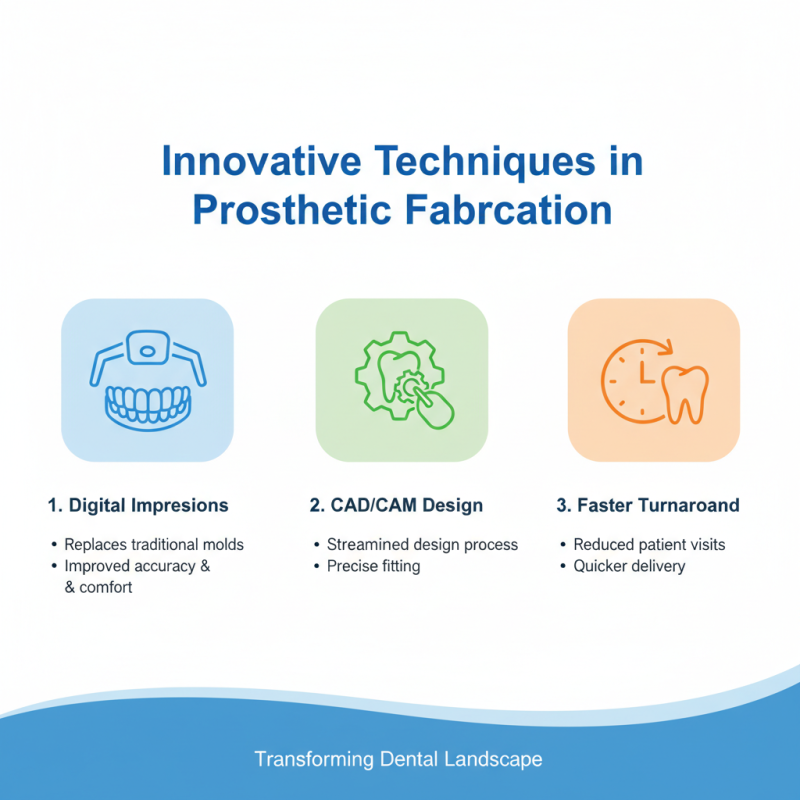
Innovative techniques in prosthetic fabrication are transforming the dental landscape. Digital impressions have largely replaced traditional molds. This transition enhances accuracy and patient comfort. CAD/CAM technology streamlines the design process. It allows for precise fitting and faster turnaround times. These advancements significantly reduce the need for multiple visits.
3D printing is another game-changer. It enables the rapid production of custom dental prosthetics. This technology also allows for complex designs that were previously unattainable. However, the reliance on digital methods raises concerns about accessibility. Many patients may not have access to these cutting-edge technologies.
The integration of biomaterials presents exciting possibilities. These materials mimic natural tooth properties, improving durability and aesthetics. However, there are ongoing discussions about long-term biocompatibility. As the field evolves, it is essential to balance innovation with patient safety. The journey of modern dentistry continues, with each step bringing both promise and challenges.
The Role of 3D Printing in Custom Dental Solutions
The integration of 3D printing in dental prosthetics has revolutionized oral care. This technology allows for the customization of dental solutions, catering to individual patient needs. Research indicates that around 50% of dental professionals have begun employing 3D printing in their practices, marking a significant shift in the industry.
One prominent advantage of 3D printing is speed. Traditional methods can take weeks for prosthesis development. In contrast, 3D-printed models require just a few hours. However, this rapid turnaround comes with its challenges. Quality control remains a concern, as inconsistent materials can affect durability and biocompatibility. A January 2022 study reported that 30% of practitioners noted issues with material strength in 3D printed dentures.
Further, 3D printing minimizes waste. Traditional manufacturing can lead to substantial material loss, while additive manufacturing uses only what is necessary. Yet, the energy consumption of 3D printing processes begs reflection. As the industry strives for sustainability, balancing efficiency and environmental impact must remain at the forefront of innovation efforts in dental care.
Future Trends in Dental Prosthetic Maintenance and Care
The field of dental prosthetics is experiencing rapid advancements that influence maintenance and care protocols. Innovations such as 3D printing are revolutionizing how prosthetic devices are designed.
According to a report by Allied Market Research, the global market for dental 3D printing is expected to reach $6.9 billion by 2025. This technology reduces the time and cost associated with producing custom prosthetics,
but it also brings challenges in managing quality standards.
Another key aspect to consider is the lifespan of dental prosthetics. Research indicates that nearly 20% of dental implants fail within the first five years.
Regular maintenance is crucial for achieving long-term success. Dentists emphasize the importance of routine check-ups and patient education on home care.
This is where gaps often appear. Many patients lack clear understanding of proper cleaning techniques and maintenance schedules for their prosthetics.
Moreover, the rise of tele-dentistry enhances access to care but poses its own set of risks. Patients may rely too heavily on virtual consultations,
missing out on hands-on care. The disconnect can lead to unaddressed issues that might escalate. As technology improves, balancing convenience with quality care becomes essential
for ensuring optimal outcomes in dental prosthetic maintenance.