How to Choose the Best Prosthodontic Treatment Solutions?
Choosing the right prosthodontic treatment solutions begins with a careful diagnosis, not a fashionable procedure. A missing tooth, worn enamel, or unstable denture can affect chewing, speech, comfort, and confidence. The visible problem may not be the real cause. Jaw position, gum health, bone support, bite pressure, medical history, and daily habits all deserve attention.
Prosthodontist Dr. Stephen F. Rosenstiel has emphasized this principle: “Treatment should be based on the patient’s needs, not the dentist’s preferences.” That idea remains practical. A qualified clinician should explain suitable options, expected longevity, maintenance requirements, costs, and possible complications. Digital scans can improve planning. They cannot replace clinical judgment. A carefully adjusted crown may serve one patient well, while an implant-supported restoration may better suit another. Sometimes, a removable option is the more sensible choice.
Experience matters here. Ask how often the provider performs the proposed procedure. Request examples of comparable cases, when appropriate. Seek a second opinion for extensive reconstruction or unclear recommendations. Reliable planning also includes collaboration with periodontists, oral surgeons, or orthodontists when needed.
No plan is perfect. Biology can change. Patients may also underestimate maintenance. Regular reviews, professional cleaning, night guards, and realistic food habits can protect the result. The best prosthodontic treatment solutions should feel personal, evidence-informed, and achievable. They should restore function without ignoring comfort, appearance, time, or long-term health. Good dentistry is not merely about creating a beautiful smile. It is about choosing a restoration that remains useful in real life.
Assessing Oral Health, Treatment Goals, and Personal Needs
Choosing prosthodontic treatment starts with your mouth, not a procedure list. A prosthodontist should examine your teeth, gums, jaw joints, bite, bone support, and oral hygiene. Digital images can help, but they cannot replace a physical examination. A loose tooth, bleeding gum, or nighttime grinding may change the safest option. Ask how these findings affect comfort, function, longevity, and maintenance. Good advice should be explained in plain language.
Your treatment goal deserves equal attention. Do you want to chew firmer foods, speak more clearly, replace one tooth, or improve a damaged smile? These aims may require different solutions. A fixed restoration can feel stable, while a removable option may be easier to clean or adjust. Implants require suitable bone, healing time, and careful hygiene. They are not automatically the best answer. Sometimes a conservative choice protects healthy tooth structure, even when it looks less dramatic. There is no flawless option.
Personal needs often determine whether a treatment plan works in daily life. Consider your budget, appointment time, anxiety, dexterity, medical history, and willingness to attend maintenance visits. Share medications and health conditions openly. They may influence healing and treatment timing. Request a written plan with alternatives, expected visits, cleaning instructions, and warning signs. A plan can be clinically sound yet fail if it does not fit your habits. Your honest feedback matters.
How to Choose the Best Prosthodontic Treatment Solution
This educational comparison uses a structured 1–5 planning scale rather than outcome probabilities. Treatment selection should consider oral health, remaining tooth structure, bone support, esthetic and functional goals, maintenance ability, general health, and personal preferences. A dentist or prosthodontist must complete an individual examination before recommending treatment.
Understanding the Main Prosthodontic Treatment Options
Choosing prosthodontic treatment begins with understanding the available options, not chasing the most advanced procedure. The World Health Organization’s Global Oral Health Status Report (2022) estimates that oral diseases affect nearly 3.5 billion people worldwide. Tooth loss remains a major concern. A crown can protect a weakened tooth when enough healthy structure remains. A bridge may replace one or several missing teeth, but it depends on strong neighboring teeth for support. Dentures offer a removable solution for multiple missing teeth. They may require adjustments as the gums and jaw change.
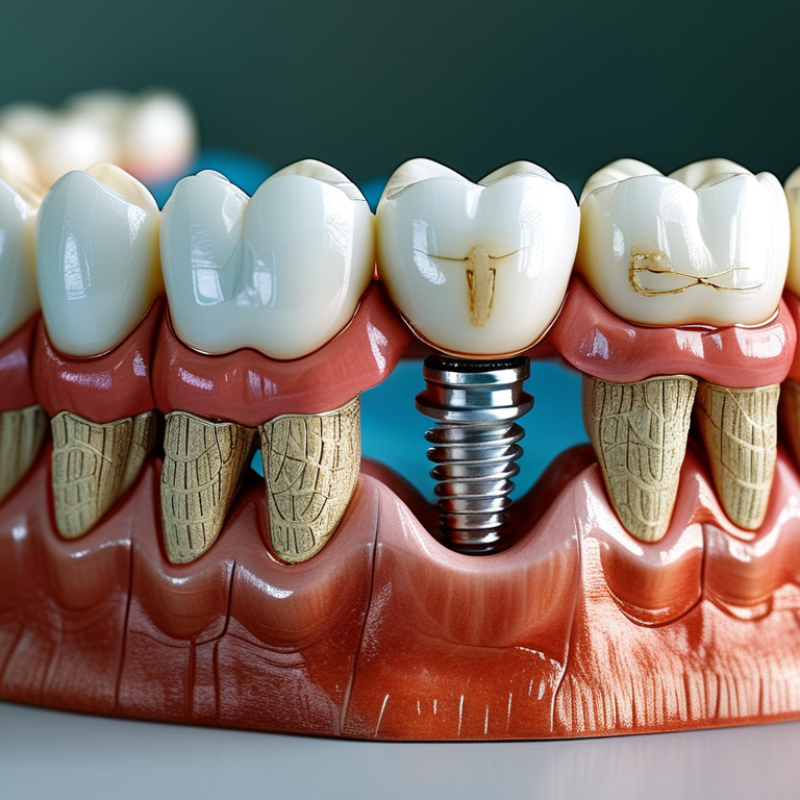
Dental implants replace tooth roots and support crowns, bridges, or dentures. They can improve chewing stability, yet surgery, bone quality, healing time, and medical history must be assessed carefully. The American College of Prosthodontists reports that about 178 million Americans are missing at least one tooth, while approximately 40 million have lost all teeth. These figures show why treatment planning must be individualized. Numbers alone cannot choose your treatment.
A prosthodontist should examine gum health, bite forces, bone levels, cleaning ability, and long-term maintenance needs. Digital scans and radiographs can clarify hidden problems. Costs matter, but repair frequency matters too. A cheaper option may create more visits later. No option is perfect. Comfort can also be unpredictable during the first weeks. Ask how each treatment will function at meals, affect speech, and perform after five or ten years. The best solution is usually the one that fits your anatomy, health, expectations, and ability to maintain it consistently.
Evaluating Costs, Risks, Timeline, and Provider Expertise
How to Choose the Best Prosthodontic Treatment Solutions?
Choosing prosthodontic care starts with a clear diagnosis, not a tempting price. A qualified prosthodontist should assess your bite, gums, bone volume, medical history, and daily needs. Request an itemized estimate before agreeing to treatment. It should include imaging, temporary teeth, laboratory work, adjustments, and maintenance. The lowest quote may not remain the lowest cost. Repairs can change the financial picture. No estimate is perfectly predictable.
Risk and timeline also deserve direct questions. Some treatments need healing periods, several appointments, or temporary restorations. Ask what happens if healing takes longer than expected. Discuss pain, infection, sensitivity, and possible retreatment in plain language. A written aftercare plan shows professional responsibility. Provider expertise matters equally. Check relevant training, experience with similar cases, sterilization procedures, and how complications are managed. An independent second opinion can reveal missing details. I would not choose based on confidence alone; confident explanations can still overlook practical problems.
Tips: Compare two detailed treatment plans, not just two prices. Ask who performs each stage. Confirm the expected timeline in writing. Bring a list of medications and concerns. Leave space for questions.
Creating and Reviewing a Personalized Treatment Plan
A personalized prosthodontic plan should begin with the patient, not a procedure. The World Health Organization’s Global Oral Health Status Report estimates that 3.5 billion people live with oral diseases worldwide. This scale reminds clinicians that treatment needs vary widely. A careful consultation should record medical history, medications, oral hygiene, periodontal health, bite, bone support, speech, diet, and personal expectations. Small details matter. A patient who avoids hard foods needs a different discussion from someone prioritizing appearance.
The plan should present realistic options, including removable, fixed, and implant-supported solutions when clinically suitable. Each option needs clear information about function, longevity, maintenance, risks, appointments, and costs. The American College of Prosthodontists reports that about 178 million Americans are missing at least one tooth. That figure supports the need for structured evaluation, but it cannot determine one person’s treatment. Clinical examination and diagnostic imaging remain essential.
Reviewing the plan is an active process. A second clinical opinion may reveal overlooked periodontal inflammation, an unstable bite, or unrealistic expectations. Treatment can also change after healing. I have found that provisional restorations often expose practical problems that records cannot predict. The first plan may be incomplete. That is acceptable when the team documents findings and revises decisions transparently. Follow-up should assess comfort, chewing, speech, tissue health, hygiene, and patient satisfaction. WHO Global Oral Health Status Report, 2022; American College of Prosthodontists, patient statistics.