How to Choose Custom Dental Prosthetics for Your Needs?
When considering custom dental prosthetics, it’s essential to know your options. Many factors influence your choice. Understanding these factors helps you make informed decisions for your oral health.
Custom dental prosthetics cater to individual needs, such as comfort and functionality. Selecting the right type can enhance your smile and confidence. Various materials are available, each with benefits and drawbacks. It can feel overwhelming to choose the best one.
Seek guidance from dental professionals. They can provide insights based on your specific situation. Remember, a well-fitted prosthetic improves your quality of life. Reflect on your needs and how custom dental prosthetics can address them. Making the right choice requires more than just preference; it involves understanding your options and the implications of each.
Understanding Your Dental Needs and Goals
When choosing custom dental prosthetics, understanding your dental needs and goals is essential. Today, about 69% of adults aged 35 to 44 have lost at least one permanent tooth. This underscores the importance of tailored solutions. Every individual has unique requirements, and a one-size-fits-all approach rarely suffices. Consider factors like lifestyle, functionality, and aesthetic preferences when discussing options with your dentist.
It's vital to assess your specific situation. Are you looking for temporary relief or a long-term solution? Research shows that over 30% of people report dissatisfaction with their current dental prosthetics. This often stems from not fully understanding their own needs. A detailed evaluation helps align your expectations with suitable options.
When discussing potential choices, don't hesitate to ask questions. Many overlook the psychological impact of dental aesthetics. A well-fitted prosthetic can boost your confidence. However, an ill-fitting one can lead to frustration. Pinpointing your precise goals can guide the decision-making process. Reflect on how your daily life is affected by your dental health.
Choosing Custom Dental Prosthetics: Key Factors
Types of Custom Dental Prosthetics Available
When considering custom dental prosthetics, it's essential to understand the types available and their unique features. Dental prosthetics can vary widely, including crowns, bridges, dentures, and implants. According to a 2021 industry report, over 178 million Americans are missing at least one tooth, which highlights the need for effective dental solutions.
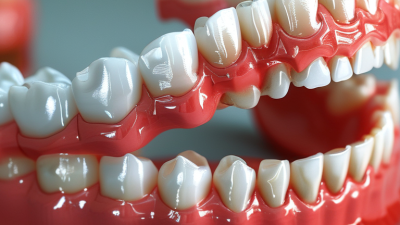
Dentures offer a removable option for those missing multiple teeth. They come in partial or complete styles. Partial dentures can fill specific gaps, while complete dentures are designed for full edentulism. The affordability of dentures makes them a common choice, despite considerations for comfort and fit. The American Dental Association emphasizes the importance of regular adjustments to maintain their effectiveness.
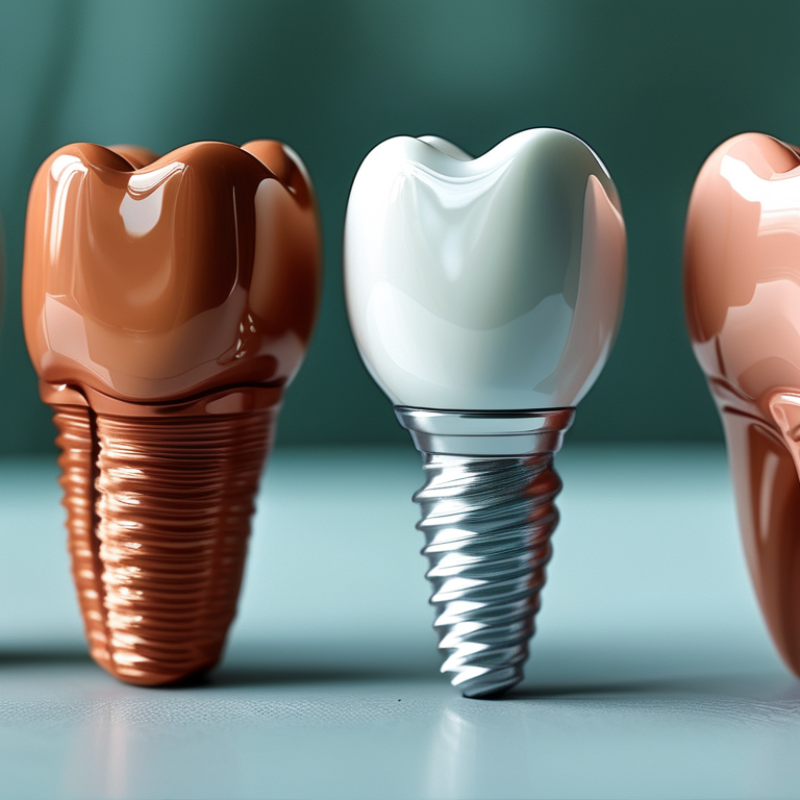
For a more permanent solution, dental implants are increasingly popular. They involve a surgical procedure to insert a titanium post into the jawbone. Research shows that dental implants have a success rate of about 95% after ten years. They mimic natural teeth, providing enhanced stability. However, not everyone is a candidate for implants, and some may experience complications like infection or implant failure. Thus, it's vital to consult with a qualified dental professional to determine the best option.
Factors to Consider When Choosing Prosthetics
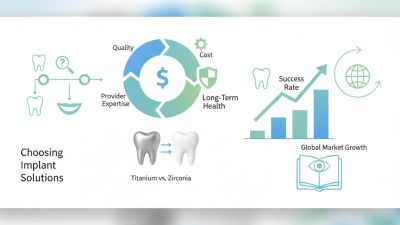
When choosing custom dental prosthetics, several factors are crucial. Comfort is essential. You want a solution that feels natural. Consider the material used in the prosthetics. Different materials offer varying levels of durability and aesthetics. Talk to your dentist about what materials suit your lifestyle. For example, some may prefer porcelain for its natural appearance, while others may opt for metal for its resilience.
Cost is another significant factor. Custom solutions can be pricey. It’s essential to understand your budget and explore financing options. Don’t hesitate to discuss costs with your dental professional. You deserve clarity about what you are paying for. Research is also vital. Look for testimonials or experiences shared by patients. This can provide valuable insights into the effectiveness of different prosthetics.
Finally, remember that individual needs vary. Each mouth is unique. You may need to try out various options before finding the right fit. Adjustments may be necessary along the way, so be open to feedback. A collaborative approach will more likely lead to satisfactory results. The journey to choosing the right prosthetic can be intricate, but with careful consideration, you can find the best option for your dental health.
Consulting with Your Dentist or Prosthodontist
When selecting custom dental prosthetics, consulting with your dentist or prosthodontist is crucial. These professionals bring extensive experience to the table. They can assess your specific dental needs effectively. Research indicates that 70% of patients report a significant improvement in their quality of life after receiving custom prosthetics. This highlights the importance of tailored solutions.
During your consultation, you should discuss your preferences and concerns. Many patients have concerns about comfort and aesthetics. Your dentist can provide options based on clinical evidence and your lifestyle. Data suggests that 80% of patients prefer prosthetics that blend seamlessly with their natural teeth. Understanding the materials and techniques involved is key to making an informed decision.
It's also worth considering that not all custom prosthetics will be perfect on the first try. Adjustments may be necessary. An open conversation with your dentist can help address any uncomfortable feelings. Having realistic expectations can alleviate anxiety about the process. Remember, your dental health is a collaborative effort between you and your dental professional.
Maintaining and Caring for Your Custom Prosthetics
Maintaining and caring for your custom dental prosthetics is crucial for their longevity and effectiveness. Regular cleaning is essential. Use a soft toothbrush and non-abrasive toothpaste to remove plaque. According to the American Dental Association, 70% of dental prosthetic failures are due to inadequate maintenance. Additionally, rinsing your prosthetics with water after eating can prevent food particles from causing irritation or decay.
Routine professional check-ups are equally important. A study published in the Journal of Prosthetic Dentistry reveals that individuals who visit their dentist regularly are 50% more likely to keep their prosthetics for over ten years. Dentists can identify issues early on, ensuring that your dental prosthetics remain functional.
It's also crucial to store your prosthetics properly when not in use. Soaking them in a recommended solution can keep them moist and prevent warping. On occasion, it’s easy to neglect these practices. Reflecting on your maintenance routine can prevent unexpected problems later. Not every session will be perfect, and adjustments may be necessary. Embracing these aspects can lead to a more successful experience with your custom dental solutions.