Register your office to receive a $50 credit towards your first case.

Top 10 Digital Dental Workflows Transforming Modern Dentistry?

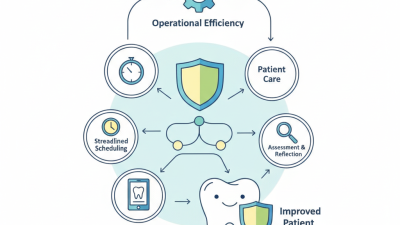
The landscape of dentistry is undergoing a significant transformation, largely driven by digital dental workflows. According to a recent report by the American Dental Association, about 80% of dental practices have adopted some form of digital technology. This change is enhancing patient care and optimizing operational efficiency. Digital workflows streamline processes like patient records management, treatment planning, and laboratory communications.

However, the shift to these workflows is not without its challenges. Many dentists struggle with integrating new technologies while maintaining the personal touch patients expect. A study published in the Journal of Dental Research highlighted that over 40% of dental professionals feel overwhelmed by the pace of digital innovation. This indicates a need for ongoing training and support for dental practitioners.

As we explore the top 10 digital dental workflows transforming modern dentistry, it’s essential to recognize their impact on workflow efficiency and patient satisfaction. Embracing these tools can lead to improved outcomes and a more effective practice. Yet, as the field evolves, dental professionals must remain vigilant about balancing technology with the human aspect of care.
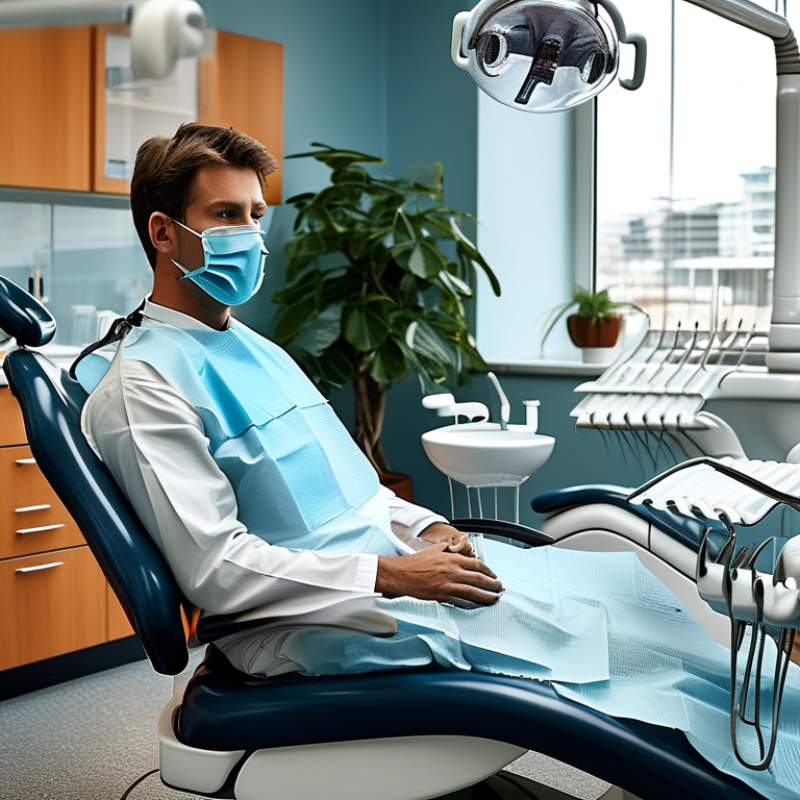
Top 10 Digital Dental Workflows Transforming Modern Dentistry?

Emergence of Digital Dentistry: A New Era for Dental Practice

The rise of digital dentistry is reshaping how dental practices operate. Digital tools enhance precision, save time, and improve patient experience. Through advanced technologies, such as 3D printing and CAD/CAM systems, dentists can provide more personalized care. Enhanced imaging allows for better diagnostics, which ultimately leads to optimal treatment plans. However, this transition isn't seamless; it requires training and adaptation.

Tip: Invest time in training staff. A knowledgeable team maximizes the potential of digital tools.

Integration of these digital workflows can boost efficiency but comes with challenges. Not all practitioners embrace technology immediately. Some may feel overwhelmed by the learning curve or concerned about the cost. It’s crucial to weigh these factors carefully. Patience is vital in this digital journey.

Tip: Start with one tool. Gradual implementation helps reduce the stress of adapting to change.

Digital dentistry promises a future where patient care is significantly enhanced. Yet, practitioners must remain critical of the tools they choose. A thoughtful evaluation ensures that new technologies truly benefit their practice and patients.

Integration of CAD/CAM Technologies in Dental Workflow

The integration of CAD/CAM technologies in dental workflows is changing how dentists deliver care. Research indicates that CAD/CAM systems can reduce chair time by up to 50%. This efficiency allows practitioners to focus more on patient interaction and quality care rather than lengthy procedures. Such technology enables precise and efficient design of dental restorations, enhancing both the speed and accuracy of treatments.

However, not all practices embrace these advancements. Some dentists express concerns over the learning curve associated with new technologies. A 2022 survey revealed that 30% of dental professionals feel unprepared to implement CAD/CAM systems effectively. This highlights the necessity for ongoing training and support in the industry. As technology evolves, the gap in digital adoption may impact patient care quality.

Moreover, successful implementation of CAD/CAM requires infrastructure changes. Practices must invest in software, hardware, and technician training. While these factors can deter practices from adopting digital workflows, the long-term benefits are substantial. A 2021 study showed that practices employing CAD/CAM technologies saw a 40% increase in patient satisfaction scores. As the industry adapts, these workflows will likely become the standard, transforming modern dentistry.

The Role of 3D Printing in Custom Dental Solutions

The integration of 3D printing in dentistry is revolutionizing how dental solutions are created. Custom dental appliances, such as crowns and aligners, can now be produced with remarkable precision. This technology allows dentists to provide tailored solutions that enhance both comfort and effectiveness for patients. Rapid prototyping reduces the time from impression to finished product significantly.

However, implementing 3D printing requires careful consideration. Not every dental practice has access to this technology. Training is essential for staff to ensure high-quality results. Mistakes in the initial design can lead to wasted materials and time. Continuous education on the latest 3D printing techniques is vital for maintaining high standards.

**Tip:** Regularly evaluate your 3D printing process to identify areas for improvement.

Also, consider investing in high-quality materials for the best outcomes. Quality can significantly affect patient satisfaction. A flawed appliance can result in discomfort, leading to negative experiences.

**Tip:** Encourage patient feedback on custom solutions. Their insights can provide valuable information for future adjustments.

Top 10 Digital Dental Workflows Transforming Modern Dentistry

This bar chart illustrates the adoption rates of various digital dental workflows in modern dentistry. The workflows represent significant innovations that are shaping the future of dental practices.

Utilization of Teledentistry for Remote Patient Consultations

Teledentistry is reshaping dental practices, facilitating remote consultations for patients. A recent report by the American Dental Association indicates that 76% of dental professionals have adopted telehealth solutions since the pandemic. This shift not only improves patient access but also enhances practice efficiency. Dentists can now provide preliminary consultations without requiring in-person visits, saving time for both parties.

However, the transition to virtual consultations has its challenges. Many dentists report concerns regarding diagnostic accuracy from remote examinations. Patients may struggle with technology, leading to missed appointments. Additionally, the lack of hands-on assessment can hinder comprehensive evaluations. A study from the Journal of Dental Research highlights that 25% of practitioners are uncertain about treatment recommendations made remotely.

Despite these hurdles, teledentistry offers a path forward. It encourages better communication between patients and providers. Patients can receive timely advice, improving treatment outcomes. Embracing this digital workflow requires ongoing training and adaptation. Enhancement of virtual tools will help ensure that patients receive the best possible care, even at a distance.

Advancements in Digital Imaging and Diagnostics for Dentists

Digital imaging and diagnostics are revolutionizing modern dentistry. Advanced technologies like 3D imaging enable dentists to visualize a patient's anatomy in detail. This clarity helps in accurate diagnosis and treatment planning. Enhanced imaging tools reduce the need for invasive procedures, improving patient comfort.

The integration of digital workflows also minimizes human errors. Dentists can capture precise data quickly, ensuring efficient treatments. However, this shift requires continual learning. Some practitioners find it challenging to adapt to new technologies. Regular training sessions can bridge this gap.

Moreover, while these advancements offer significant benefits, they can be costly. Smaller practices may struggle with the financial burden of investing in cutting-edge tools. Balancing technology with patient care remains critical. It's essential for dentists to assess their needs and find the right solutions for their practice.

Top 10 Digital Dental Workflows Transforming Modern Dentistry

Workflow Description Benefits Implementation Time
3D Digital Impressions Utilizes intraoral scanners to capture detailed images. Increased accuracy, reduced patient discomfort, faster turnaround. 1-2 weeks
CAD/CAM Technology Computer-aided design and manufacturing for crowns and restorations. On-site fabrication, reduced lab costs, immediate results. A few days to set up
Digital Radiography Using digital sensors to capture X-ray images. Lower radiation exposure, instant results, easier storage. 1-3 days
Teledentistry Providing dental consultations remotely via digital platforms. Increased patient access, reduced no-show rates, convenience. Immediate
Dental Practice Management Software Cloud-based systems for scheduling, billing, and records. Streamlined operations, better patient management, data security. 1-2 weeks
Digital Smile Design Using software to create visual representations of treatment outcomes. Enhanced patient communication, better treatment acceptance. Days to weeks depending on software proficiency
Cone Beam Computed Tomography (CBCT) Advanced imaging technique for dental diagnostics. Detailed 3D views, improved treatment planning. 1-2 weeks to acquire
Artificial Intelligence in Diagnostics AI algorithms assisting in diagnosing dental conditions. Faster diagnosis, improved accuracy, enhanced treatment planning. Weeks to integrate
Virtual Reality for Patient Education Using VR to educate patients about procedures and oral health. Improved understanding, reduced anxiety, increased engagement. 1-2 months to set up