Register your office to receive a $50 credit towards your first case.

What Are the Top Dental Prosthetic Innovations in 2026?

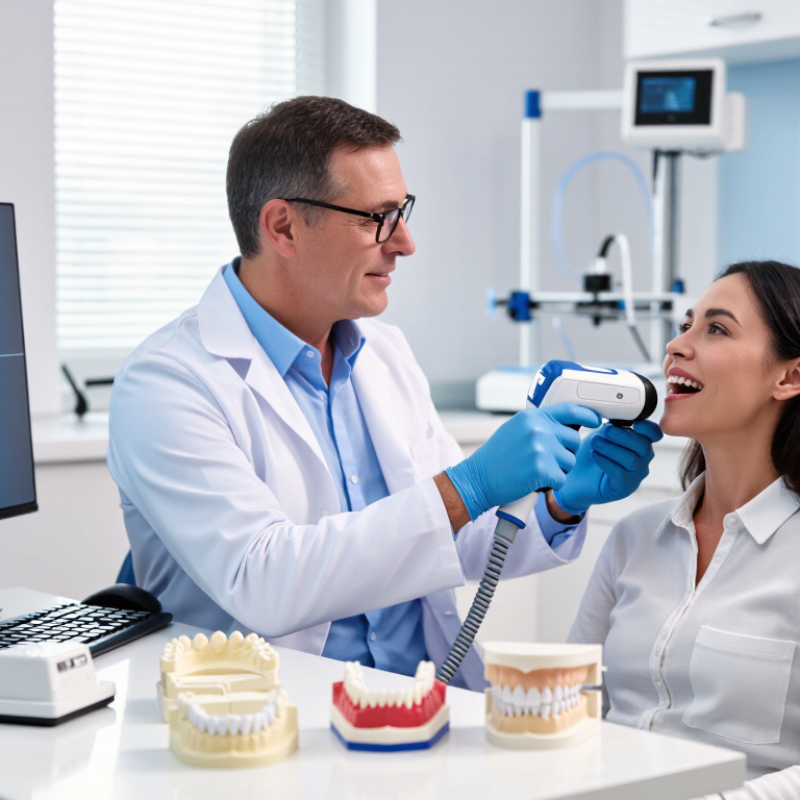
Dental prosthetic innovation in 2026 is changing how crowns, bridges, dentures, and implant-supported restorations are planned and made. Digital scans can capture detailed images of a patient’s bite, while design software helps clinicians assess fit before fabrication. In some practices, 3D printing and computer-aided milling also support more tailored workflows. The practical goal is simple: restorations that feel comfortable, function reliably, and suit each patient’s needs.

But new technology is not automatically better. A precise scan still depends on good clinical judgment, and a beautifully designed crown can fail if the bite or underlying tooth is not properly assessed. Materials also involve trade-offs. Strength, appearance, repairability, and cost may differ, so the right choice depends on the patient and the location of the restoration. Small details matter.

This article explores the leading developments shaping dental prosthetics in 2026, including digital design, advanced ceramics, additive manufacturing, and connected treatment workflows. It also considers where evidence remains limited and why patients should discuss options with a qualified dental professional. Some tools promise faster care; real results can vary. That gap deserves attention. By looking at both the benefits and the limitations, readers can better understand which innovations may improve comfort, fit, and long-term maintenance—and which still need careful evaluation.
What Are the Top Dental Prosthetic Innovations in 2026?

Global Need: WHO Estimates 3.5 Billion People Have Oral Diseases

What Are the Top Dental Prosthetic Innovations in 2026?

WHO’s 2022 Global Oral Health Status Report estimates that 3.5 billion people have oral diseases. That is an enormous burden. Untreated decay and severe gum disease can weaken or cost people teeth, affecting chewing, speech, and daily comfort. WHO identifies untreated decay in permanent teeth as the world’s most common health condition. It also reports that roughly three-quarters of affected people live in middle-income countries.

For people who need replacements, digital impressions, computer-aided design, and 3D-printed restorations are shaping modern prosthetic care. These tools can support more precise planning and quicker production in some clinics. Removable dentures, bridges, and implant-supported restorations may help restore function, but each option needs careful fitting and ongoing maintenance. A digital scan cannot fix long waiting lists, travel costs, or limited access to trained clinicians. That gap deserves more attention.
Tip: Ask how a proposed prosthesis will be cleaned, adjusted, and reviewed over time. Bring up chewing discomfort early. Small pressure spots can become persistent problems, and follow-up care is not always easy to arrange.

AI and Digital Scanning: How CAD/CAM Streamlines Prosthesis Design

What Are the Top Dental Prosthetic Innovations in 2026?

AI-assisted scanning and CAD/CAM are reshaping prosthesis design in 2026. A clinician can capture the patient’s teeth, gums, and bite without traditional impression trays. The digital file appears within minutes, helping the dental team inspect margins, spacing, and occlusion on screen. AI can suggest tooth shapes and contact points, but it does not replace clinical judgment. The dentist must compare the proposal with facial proportions, speech, chewing habits, and periodontal health. A beautiful design can still feel wrong.

Tips: Keep the scanning field dry. Saliva and blood may distort margins. Ask the patient to close naturally during bite registration. Review the digital model from several angles. Save the original scan before making edits. A second clinical check is worthwhile.

CAD/CAM then converts the approved design into a milled or printed prosthesis. This workflow can reduce manual transfers and make adjustments more predictable. It also supports clearer communication between the dentist and laboratory technician. However, digital systems are not flawless. A missed distal edge, loose scan path, or inaccurate bite record can produce a precise-looking mistake. I have found that speed sometimes encourages rushed approval. The best workflow still includes a physical try-in, careful fit evaluation, and patient feedback about pressure, pronunciation, and comfort. Human observation remains essential.

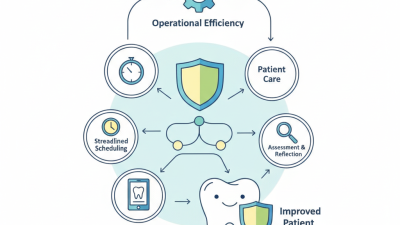
How Digital CAD/CAM Streamlines Prosthesis Design

Digital workflows connect intraoral scanning, 3D model preparation, CAD design, CAM production by milling or 3D printing, and clinical fit verification. The numbers show process order only—not measured time savings or performance.

3D Printing and New Materials: From Dental Resins to Zirconia

In 2026, dental 3D printing is changing how clinics and laboratories make models, surgical guides, dentures, and temporary restorations. Grand View Research estimated the global dental 3D-printing market at about $3.3 billion in 2023, forecasting 20.2% annual growth through 2030. That figure measures market expansion, not proven clinical superiority. Still, it reflects growing investment in digital workflows. A printed resin guide can fit over a patient’s teeth, while a temporary crown can be shaped from a digital scan rather than a wax pattern.

Resins and zirconia serve different purposes. Resins are useful for models and selected restorations, but the material must match its intended use. Correct washing and post-curing matter; rushed processing can affect fit and strength. Zirconia is valued for strength and tooth-like appearance, especially in crowns and bridges. Printing it remains technically demanding. The part shrinks during sintering, so software must compensate, and small process errors can affect margins. One caveat: newer is not always better. Dental teams still need to check fit, material documentation, and long-term clinical evidence before adopting a workflow. Market forecasts are useful, but they cannot replace patient-specific judgment.

What Are the Top Dental Prosthetic Innovations in 2026? — 3D Printing and New Materials: From Dental Resins to Zirconia

Technology or material Typical prosthetic uses Relevant properties Key advantages Considerations Clinical adoption
3D-printed dental resins Models, custom trays, provisional restorations, surgical guides, and some denture components, depending on the resin’s cleared indication. Photopolymer resins are cured layer by layer. Mechanical properties vary substantially by formulation, print orientation, and post-processing. Enables intricate shapes, digital design revisions, and production of multiple parts in a single build. Parts generally require washing and post-curing according to the material’s instructions. Not every printed resin is suitable for long-term use in the mouth. Widely used for indicated applications; material choice must match the intended use.
High-strength ceramic-filled or hybrid resins Selected provisional crowns, inlays, onlays, and other restorations where a compatible, validated material is indicated. Properties are formulation-specific; ceramic fillers can alter stiffness, wear behavior, and strength compared with unfilled resins. Can combine digital manufacturing with tooth-colored appearance and relatively efficient production. Performance and permitted indications differ by material. Do not assume a printed resin is equivalent to a laboratory-processed ceramic. Application-specific and evolving; follow the material’s validated instructions.
Milled zirconia Crowns, bridges, and other fixed restorations, with selection based on the zirconia grade and clinical design. Dental zirconia grades commonly have flexural-strength values ranging from several hundred MPa to over 1,000 MPa; exact values depend on composition and test method. High strength and good fracture resistance make it useful for many load-bearing restorations. Translucency and strength vary by grade; fitting, sintering, surface finishing, and opposing-tooth wear require consideration. Established material for fixed prosthodontics. Most dental zirconia restorations are milled and sintered, not 3D-printed.
More translucent zirconia grades Esthetic crowns and selected short-span restorations, when the grade and design are appropriate. Higher translucency is generally achieved through changes in composition and microstructure; some grades have lower strength than traditional high-strength zirconia. Offers a balance of tooth-like appearance and ceramic durability for suitable cases. Indication, connector dimensions, restoration thickness, and occlusal loading affect suitability. Available in clinical workflows; choose the grade according to the restoration and manufacturer’s validated guidance.
Lithium disilicate glass-ceramic Esthetic single crowns, veneers, inlays, and onlays in appropriate cases. Tooth-colored glass-ceramic with useful translucency; strength depends on the specific product and processing route. Supports lifelike esthetics and adhesive restorative workflows. Not intended for every span or load condition; preparation design and bonding protocol matter. Established option for selected tooth-supported restorations.
Digital design and hybrid workflows Planning and fabrication of crowns, bridges, dentures, and implant-supported prostheses using scans and computer-aided design. Combines digital impressions, CAD design, and either milling, printing, or conventional finishing. Can improve repeatability, support rapid design changes, and make digital files easier to archive or reproduce. Accuracy depends on scanning, software, equipment calibration, material processing, and clinical verification. Increasingly integrated into dental laboratories and clinics; clinical fit still requires professional evaluation.
Additively manufactured ceramic components Emerging research and specialized workflows for ceramic dental parts; availability depends on the specific material and validated indication. Unlike common resin printing, ceramic printing requires additional processing such as debinding and sintering to achieve a dense ceramic part. Potential to produce complex geometries and reduce some forms of material waste. Shrinkage, defects, surface finish, strength, and reproducibility must be controlled; adoption is less established than milled zirconia. Developing technology; not a general replacement for established zirconia milling workflows.

Note: Material properties and indications vary by formulation, grade, test method, and processing protocol. Values and clinical suitability should be checked against current product documentation and professional guidance.

Implant-Supported Prostheses: Evidence Reports Over 95% 10-Year Survival

What Are the Top Dental Prosthetic Innovations in 2026?

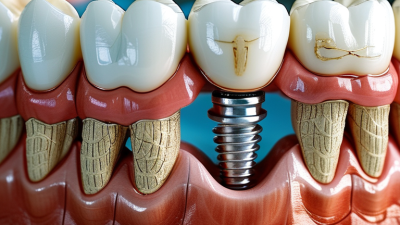
Implant-supported prostheses remain a major focus of dental innovation. Recent evidence reports over 95% ten-year survival in carefully selected, well-maintained cases. This figure does not guarantee identical results for every patient. Bone quality, smoking, diabetes control, oral hygiene, and bite forces can change the outlook. In daily life, success means more than a stable scan. Patients should chew comfortably, speak clearly, and avoid persistent pressure around the gums. Digital impressions, three-dimensional imaging, and computer-guided planning can improve accuracy. Still, small clinical errors can affect comfort and long-term maintenance.

Tips: Ask about the evidence behind the proposed design. Confirm the expected maintenance schedule. Request clear information about bone support and cleaning access. Bring previous dental records when possible. A second professional opinion may reveal overlooked risks.

Newer prostheses may use stronger ceramic materials, improved attachment systems, and digitally designed frameworks. These developments can reduce adjustment visits and create more natural contours. However, laboratory precision cannot replace clinical judgment. Some studies follow patients for ten years, while newer materials have shorter observation periods. That gap matters. Independent follow-up remains essential, especially when evaluating repairs, inflammation, and component wear. Patients should also understand that “survival” may mean the implant remains functional, not that every crown or attachment stays unchanged. A realistic treatment plan includes regular examinations, professional cleaning, and occasional replacement of worn parts. Even excellent evidence has limits.

Clinical Comparison: Assess Fit, Durability, Cost, and Treatment Time

In 2026, the practical choice is not simply digital versus conventional. It is fit, wear, price, and chair time for one patient. Intraoral scans and computer-designed restorations can reduce impression errors and help clinicians adjust bite contacts before manufacture. Yet saliva, limited mouth opening, or movement can weaken scan accuracy. Digital does not guarantee a better fit. Milled restorations are generally more consistent than many printed options, but material and design still determine resistance to chipping. The World Health Organization’s 2022 Global Oral Health Status Report estimates that complete tooth loss affects nearly 7% of people worldwide. That scale makes accessible options important, not just high-tech ones.

Implant-supported crowns can feel stable during chewing, but surgery, healing, and maintenance add time and expense. A systematic review by Jung and colleagues reported estimated survival of implant-supported single crowns at about 97% after five years and 89% after ten years. Survival does not mean complication-free; repairs may still be needed. Removable dentures usually cost less initially and avoid implant surgery, though sore spots and relining can affect comfort over time. Digital denture workflows may shorten appointments, but availability and laboratory turnaround vary. Ask for the full treatment timeline and likely adjustment visits. A lower quote can leave out maintenance. And fit may change. The evidence for newer printed prostheses is still developing, so clinicians should match claims to a patient’s bite, bone, budget, and follow-up access.