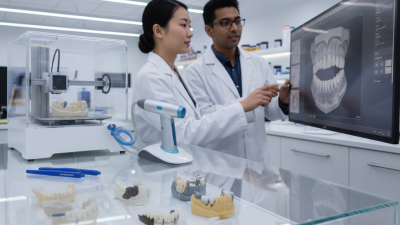
Choosing the right dental treatment can feel like comparing medical technology, household budgeting, and personal confidence. Modern dental solutions now include digital scans, clear aligners, dental implants, laser treatments, and same-day restorations. Each option solves a different problem.
A reliable buying decision begins with a qualified dental examination. A dentist may use an intraoral scanner to create a detailed digital model of your teeth. X-rays or 3D imaging can reveal bone loss, hidden decay, or bite problems. These details matter more than a polished advertisement. They also help patients compare treatment time, comfort, durability, and expected maintenance.
The market is not perfectly transparent. A low price may exclude consultations, adjustments, retainers, or future repairs. A premium package may include unnecessary features. Buyers should ask who will perform the procedure, which materials are used, and what evidence supports the recommendation. Check professional credentials, written treatment plans, warranty terms, and independent patient feedback. Protect your health information when using remote consultations or dental apps.
No solution fits everyone. A clear aligner may suit mild crowding, while a damaged tooth may require a crown or implant. Personal experience, clinical evidence, and careful communication should guide the choice. This guide examines leading modern dental solutions from a buyer’s perspective. It also considers limitations, costs, risks, and questions worth asking before treatment begins. Mistakes happen, even in advanced clinics. A thoughtful review can reduce surprises.
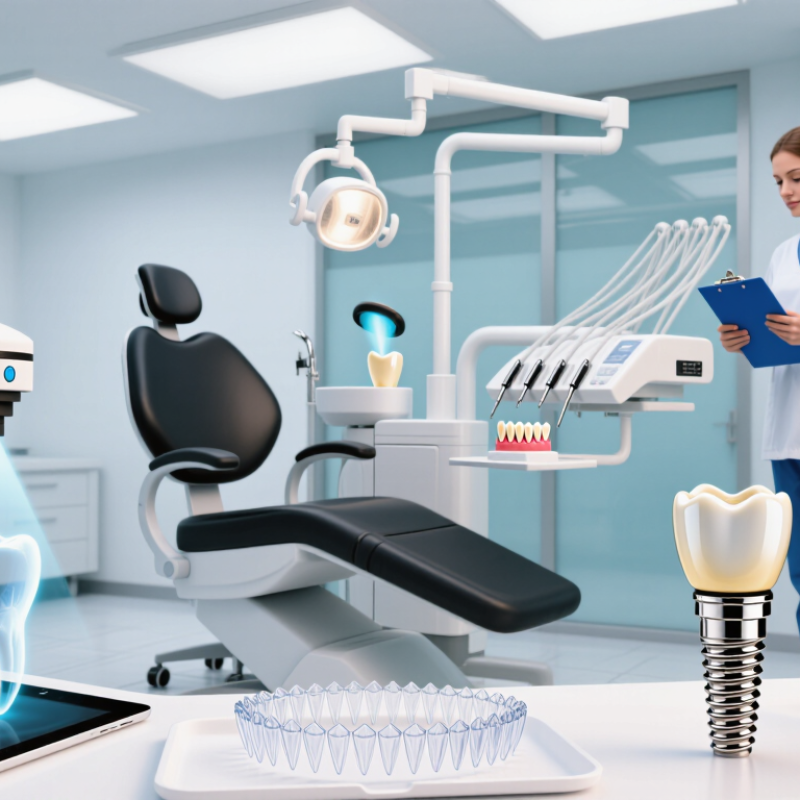
Modern dental solutions now cover prevention, diagnosis, restoration, and daily care. Buyers can choose electric toothbrushes with pressure sensors, water flossers, and custom oral irrigators. These tools make routines more visible through timers, light alerts, and app records. Convenience does not replace technique. A rushed session may still miss the gumline. Dental professionals often assess brushing habits, gum sensitivity, and existing restorations before recommending equipment. This practical check helps buyers avoid paying for features they may never use. Some digital tools support remote consultations, but image quality can limit accuracy. Human review remains important. Nothing is perfect.
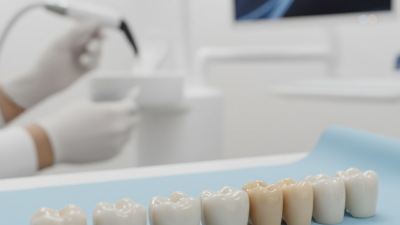
For diagnosis, intraoral cameras, digital scans, and low-dose imaging can create clearer records than traditional impressions. Digital impressions may feel more comfortable for patients who dislike bulky trays. These files can support aligner planning, crowns, bridges, and bite analysis. Restorative options include tooth-colored fillings, ceramic crowns, adhesive bonding, and implant-supported teeth. Each choice involves trade-offs in durability, appearance, maintenance, and cost. Preventive solutions include fluoride varnishes, sealants, desensitizing treatments, and customized night guards. A night guard may protect teeth from grinding, yet it cannot correct every jaw problem. Buyers should ask about material safety, cleaning requirements, lifespan, and follow-up visits. Results vary. Even advanced treatment needs careful home care and realistic expectations.
| Modern Dental Solution | Primary Purpose | Best For | Key Benefits | Important Considerations for Buyers | Typical Maintenance |
|---|---|---|---|---|---|
| Clear Aligner Systems | Gradually moving selected teeth with a series of removable, custom-made trays. | Mild to moderate spacing, crowding, and selected bite problems. | Removable design, discreet appearance, easier cleaning than fixed appliances, and digitally planned treatment. | They require consistent daily wear, may not be suitable for every complex case, and usually require periodic professional monitoring. | Clean trays regularly, store them safely when removed, and attend scheduled dental reviews. |
| Ceramic Fixed Braces | Correcting tooth alignment and bite using brackets, wires, and elastic components. | Patients seeking fixed orthodontic treatment with a less noticeable appearance. | Continuous correction, effective control of tooth movement, and suitability for many alignment problems. | Brackets can be more fragile than metal alternatives, treatment may involve dietary restrictions, and cleaning requires extra care. | Professional adjustments at regular intervals, careful brushing, and interdental cleaning. |
| Dental Implants | Replacing the root portion of a missing tooth to support a crown, bridge, or denture. | Adults with suitable jawbone support who need a durable fixed tooth replacement. | Stable function, natural-looking restoration potential, and preservation of bone in the treated area compared with an untreated gap. | Surgical treatment is required; healing takes time, adequate bone and healthy gums are important, and overall cost is usually higher than removable options. | Daily brushing and interdental cleaning, plus routine professional examinations and hygiene visits. |
| Implant-Supported Dentures | Improving the retention and stability of removable dentures using dental implants. | People who need greater denture stability and have sufficient conditions for implant placement. | Improved retention during speaking and eating, reduced movement, and easier handling than many conventional loose dentures. | Requires implant surgery, adequate hygiene, professional assessment, and periodic adjustment or replacement of denture components. | Remove and clean the denture as directed, clean around implants, and attend maintenance appointments. |
| Tooth-Colored Restorations | Repairing decay, small fractures, or worn areas with adhesive resin-based filling materials. | Small to medium restorations in visible or load-bearing teeth, depending on clinical conditions. | Natural appearance, conservative tooth preparation in many cases, and direct placement during a dental visit. | Performance depends on cavity size, bite forces, moisture control, and patient habits; larger restorations may need another treatment type. | Normal daily oral hygiene and routine examinations to check margins and wear. |
| Ceramic Crowns | Covering and protecting a heavily damaged, weakened, or extensively restored tooth. | Teeth requiring substantial structural protection or an improved shape and appearance. | Good aesthetics, protection of remaining tooth structure, and compatibility with many restorative treatment plans. | Tooth preparation is generally required; fit, bite, material selection, and gum health influence long-term performance. | Brush, floss or use interdental cleaners, avoid damaging habits, and attend regular checkups. |
| Dental Bridges | Replacing one or more missing teeth by supporting an artificial tooth from adjacent teeth or implants. | Patients who want a fixed replacement and are suitable for bridge support. | Restores chewing ability and appearance without requiring a removable appliance during normal use. | Traditional designs may require preparation of adjacent teeth; cleaning beneath the replacement tooth is essential. | Use floss threaders, interdental brushes, or other recommended aids to clean beneath the bridge. |
| Digital Smile Planning | Using digital photographs, scans, and software to visualize and plan cosmetic or restorative treatment. | Buyers comparing cosmetic options such as whitening, veneers, bonding, or alignment treatment. | Supports communication, improves treatment planning, and helps patients understand proposed changes before treatment. | A digital preview is a planning aid rather than a guarantee; final results depend on oral health, materials, function, and clinical execution. | Maintenance depends on the treatment ultimately selected and the patient’s oral hygiene routine. |
| Intraoral Digital Scanning | Creating a three-dimensional digital model of the teeth and surrounding oral structures. | Patients needing crowns, aligners, orthodontic appliances, restorations, or digital records. | More comfortable for many patients than traditional impression materials, rapid data transfer, and efficient digital workflows. | Scan accuracy depends on moisture control, scan technique, software, and the clinical situation; it does not replace a complete examination. | No patient maintenance is required for the scan itself; keep all treatment appliances maintained according to clinical instructions. |
| Professional Teeth Whitening | Lightening the color of natural teeth with professionally selected peroxide-based materials. | Adults with suitable oral health who want to reduce certain types of external or internal tooth discoloration. | Non-invasive cosmetic improvement, treatment options available in the dental office or with supervised take-home trays. | May cause temporary sensitivity or gum irritation; crowns, veneers, and fillings generally do not change color like natural teeth. | Maintain good oral hygiene, limit staining habits where possible, and follow professional touch-up guidance. |
| Night Guards | Providing a protective barrier for people who clench or grind their teeth during sleep. | Patients diagnosed with bruxism or those at risk of tooth wear and restoration damage. | Can reduce direct tooth-to-tooth contact and help protect enamel and dental restorations. | It should be professionally assessed and fitted; it does not necessarily eliminate the underlying cause of grinding or clenching. | Rinse and clean as directed, store in a ventilated case, and replace it when worn or damaged. |
| Fluoride Preventive Treatments | Strengthening enamel and helping reduce the risk of tooth decay. | People at increased risk of cavities, including some children, older adults, and patients with dry mouth. | Evidence-based preventive support, quick application, and useful as part of a broader oral-health plan. | Appropriate concentration and frequency depend on age, risk level, exposure from other sources, and professional assessment. | Continue brushing with fluoride toothpaste and follow recommended recall and preventive-care schedules. |