Precision dental manufacturing has moved beyond milling crowns from a digital file. Buyers now compare scanning, design, materials, machining, finishing, and quality control as one connected workflow. Small errors matter: a rough margin or a slightly altered contact can mean chairside adjustment and another appointment.
The market is expanding, but estimates vary by report scope. Grand View Research valued the global dental 3D-printing market at about US$3.4 billion in 2023 and forecast strong growth through 2030. That figure is a market estimate, not a measure of manufacturing quality. Still, it signals why more laboratories and clinics are assessing digital production partners. Speed is only one part of the decision.
Peer-reviewed digital-dentistry research by Professor Francesco Mangano offers a useful buyer principle: evaluate the accuracy of the complete workflow, not a machine in isolation. That is a practical interpretation of his research, not a verbatim quotation. Ask each supplier how it validates fit, tracks materials, handles remakes, and documents inspection. Request sample restorations. Look closely at the margins.
Not every polished demo reflects routine production. That deserves scrutiny. A capable partner should explain tolerances in plain language and show how it controls variation across repeat orders. This guide compares seven precision dental manufacturing companies through those buyer-focused criteria, including capabilities, material options, turnaround, and quality evidence. The strongest choice is not automatically the largest or fastest. It is the one whose process fits your clinical needs and whose claims you can verify.
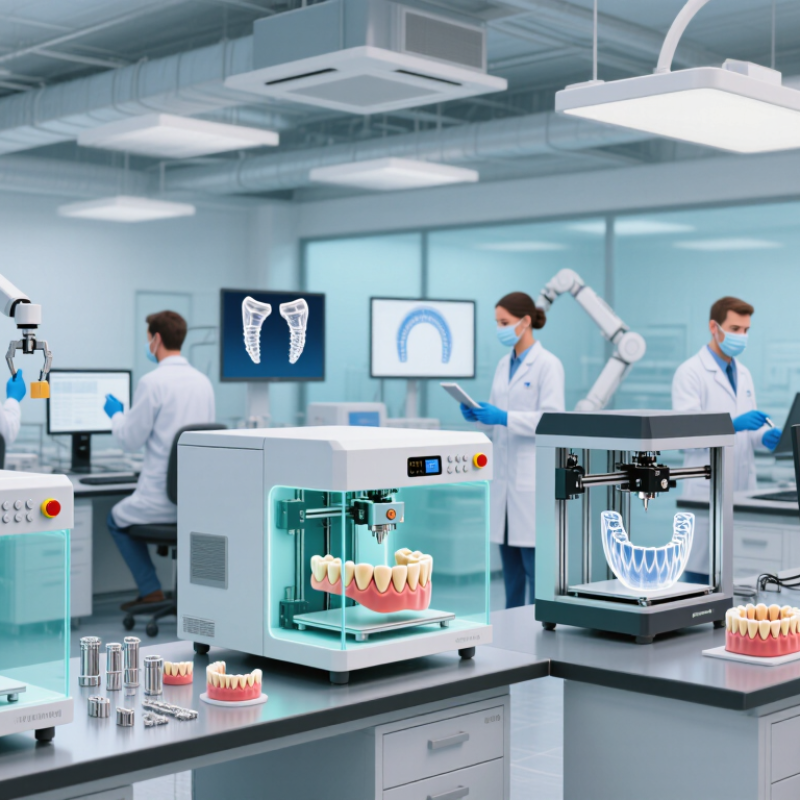
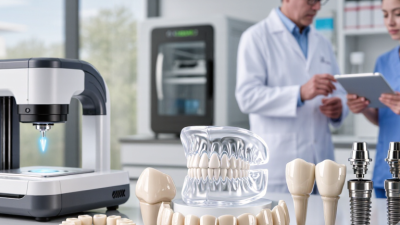
Precision dental manufacturing turns a clinician’s prescription and digital records into restorations or dental devices. The workflow may include crowns, bridges, implant components, surgical guides, and removable appliances. It often begins with an intraoral scan or a model scanned in the laboratory. A technician checks the margins, bite, and available space before designing the part. Small details matter.
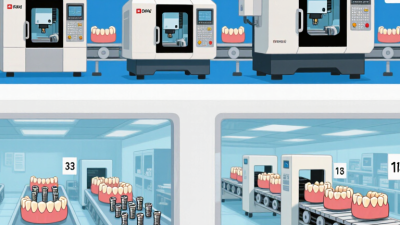
Computer-aided design defines shape and fit, while milling or additive manufacturing produces the component. Materials can include zirconia, titanium, cobalt-chromium alloys, and approved dental resins. Each has different strength, appearance, and processing needs.
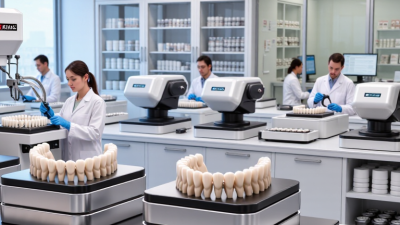
A milled crown may need sintering, staining, and polishing; a printed guide needs cleaning and curing. Manufacturing is only part of the work. Inspection should check dimensions, surface finish, and whether the piece matches the prescription.
A precise machine cannot fix a poor scan or an unclear design instruction. Errors can travel quietly from the digital file to the finished device, so communication between the clinic and laboratory matters. Buyers should ask how a facility controls revisions, documents material batches, and verifies fit-related dimensions. These checks do not guarantee a perfect result, but they make problems easier to identify.
One trade-off deserves attention: faster production is not automatically better if review time gets squeezed.
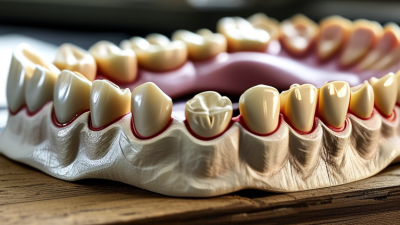
Choosing a precision dental manufacturer requires more than comparing prices or polished sample cases. Ask how the company controls scanning, design, milling, finishing, and final inspection. Ask for evidence. The ISO Survey 2022 reported roughly 35,000 ISO 13485 certificates worldwide. That figure shows the standard’s broad adoption, not that every certified facility delivers the same results. Buyers should confirm that the certificate covers the actual production site and relevant scope.
Request written tolerances, material traceability records, and inspection criteria for each restoration type. For a crown, ask how the lab checks margin fit and contact points, and how it records adjustments or remakes. Review sample documentation, not just photographs. Track on-time delivery, remake rate, and response time across several orders; one successful case proves little. A short pilot can reveal whether digital files arrive intact and whether staff flag unclear scans before production. No scorecard is perfect. A low remake rate may also reflect how remakes are classified, so ask for the definition and reporting period. Compare findings with the manufacturer’s stated process, and document any gaps before expanding the order.
Vendor-neutral evaluation checklist. The criteria below help buyers compare manufacturers without implying a ranking or making unverified claims about specific companies.
| # | Evaluation dimension | Why it matters | Evidence to request | Buyer comparison method |
|---|---|---|---|---|
| 1 | Quality management system | Documented controls support consistent production, traceability, and management of nonconforming products. ISO 13485 is a medical-device quality management standard; certification scope should match the work being sourced. | Current certificate, its scope and issuing body; sample inspection records; corrective-action and change-control procedures. | Check certificate validity and scope, then compare documented controls and recent quality metrics. |
| 2 | Regulatory and product documentation | Dental devices and custom-made products can have different regulatory obligations depending on the product and market. A facility registration alone does not establish that a particular product is approved or compliant. | Applicable declarations or technical documentation, material documentation, labeling examples, and an explanation of responsibilities by market. | Assess documentation against the intended product, destination market, and buyer’s regulatory responsibilities. |
| 3 | Materials and traceability | Material choice affects intended use, processing, and performance. Lot-level records help link incoming materials to finished devices when investigation or recall is necessary. | Material specifications and supplier documentation; sample lot-traceability record; storage and handling controls. | Confirm that the material is suitable for the intended application and that traceability can be demonstrated end to end. |
| 4 | Process capability and equipment | CAD/CAM, milling, additive manufacturing, and finishing processes have different limits and suitable applications. Equipment alone does not prove that a process consistently meets a part’s requirements. | Process list; relevant equipment and software details; sample inspection results; validation or capability data for comparable parts. | Compare demonstrated results against the drawing, tolerances, surface-finish requirements, and expected production volume. |
| 5 | Inspection and acceptance criteria | Clear specifications and inspection methods reduce ambiguity about fit, dimensions, appearance, and release decisions. | Inspection plan; calibrated-equipment records; sample certificate of conformity or inspection report; nonconformance workflow. | Agree acceptance criteria before ordering and verify that inspection records address each critical requirement. |
| 6 | Capacity, lead time, and delivery reliability | Quoted lead time and available capacity affect launch schedules and replenishment. Actual performance can vary with order size, complexity, and demand. | Lead-time assumptions; capacity and backup plans; on-time delivery history; escalation and continuity procedures. | Compare like-for-like quotations and request performance data for similar products and order volumes. |
| 7 | Total cost and service support | Unit price may exclude tooling, setup, packaging, shipping, inspection, or engineering changes. Responsive technical support can help resolve design and production issues. | Itemized quotation; minimum order quantities; tooling and revision fees; warranty or remake terms; named technical contact and response process. | Compare total landed cost over the expected order pattern, alongside support terms and change-management costs. |
A useful comparison starts with the work each supplier handles. One specializes in milled crowns and bridges, where margin accuracy and consistent shade matching matter. Another fabricates cobalt-chromium frameworks, so buyers should check fit testing and material traceability. A third focuses on implant-supported restorations; ask how it manages scan data and connection tolerances. Fit still matters.
Other suppliers serve different needs. A clear-aligner producer may prioritize repeatable thermoforming and clean trimming. A ceramic-focused workshop may offer layered esthetics for visible front teeth. A digital denture manufacturer can reduce manual steps, though clinicians should verify bite registration and adjustments. A full-service contract manufacturer may combine these processes, but breadth alone proves little.
The World Health Organization’s 2022 Global Oral Health Status Report estimates that oral diseases affect nearly 3.5 billion people worldwide. That scale makes dependable production important, but it does not identify the right supplier for every clinic or lab. Compare documented quality controls, remake policies, material certificates, and realistic lead times. Ask for evidence. A polished sample is useful, yet it cannot replace checking repeatability across cases. I would be cautious about treating a fast quote as proof of precision; that judgment needs actual case records.
When comparing seven precision dental manufacturers, buyers should look beyond catalog breadth. Ask which restorations each facility produces, such as crowns, bridges, implant components, or removable frameworks. Then check whether its equipment and workflow match your case volume and design files. A sample part can reveal edge quality, fit, and surface finish better than a sales presentation. Details matter.
Materials shape both capability and workflow. Zirconia, titanium, cobalt-chromium, and PEEK require different processing controls, so confirm which grades are available and how incoming material is documented. Ask about milling, additive production, sintering, and post-processing. A supplier may offer several methods, but that does not mean every method suits every geometry or turnaround target. The answer can be less convenient than expected.
Production services deserve equal scrutiny. Compare file checks, design support, batch tracking, inspection records, packaging, and remake procedures. Request realistic lead times for both routine work and peak periods, plus clear specifications for tolerances and acceptance checks. A low quoted price can leave important steps unclear. I would not overvalue a polished website; written process details and a small qualification order provide better evidence. Even then, one successful order is only a starting point.
A buyer-focused comparison of commonly used dental ceramics. Bars show representative values; labels give typical reported ranges.
Flexural strength varies by formulation, processing, and test method. These ranges are indicative literature-reported values, not guaranteed specifications; confirm product-specific data and applicable test standards with the manufacturer.
Choosing a precision dental manufacturer starts with the cases your practice or lab actually handles. A 2023 systematic review in the Journal of Prosthetic Dentistry reported that digital impressions can provide clinically acceptable results, though accuracy varies with scan length and workflow. Ask manufacturers how they verify fit for single crowns, bridges, and full-arch work. Request sample cases with measured marginal gaps, not only polished product photos. Numbers matter.
Check the production details. Ask which materials are used, how batches are traced, and what inspection records accompany each order. For a trial case, compare the restoration on the model and in the mouth; note adjustment time, contact points, and remake handling. A fast turnaround is useful only when it does not create extra chairside work. Ask for written service targets and a clear process for reporting defects. Small details count.
Price alone is a weak filter. Track delivery dates and remakes across several orders, then compare them with the manufacturer’s stated performance. Some labs may lack a formal dashboard, so confirm figures in writing and keep your own simple log. That takes time. I would also ask how the team handles incomplete scans or unclear prescriptions. Their answer can reveal more than a sales presentation.