Register your office to receive a $50 credit towards your first case.

What Is Dental Restoration Technology?

Dental restoration technology describes the tools, materials, and clinical methods used to repair or replace damaged teeth. It ranges from tooth-colored fillings and ceramic crowns to digital scanners, computer-aided design, and milling systems. The purpose is practical: restore chewing, protect remaining tooth structure, and create a comfortable, natural-looking result.

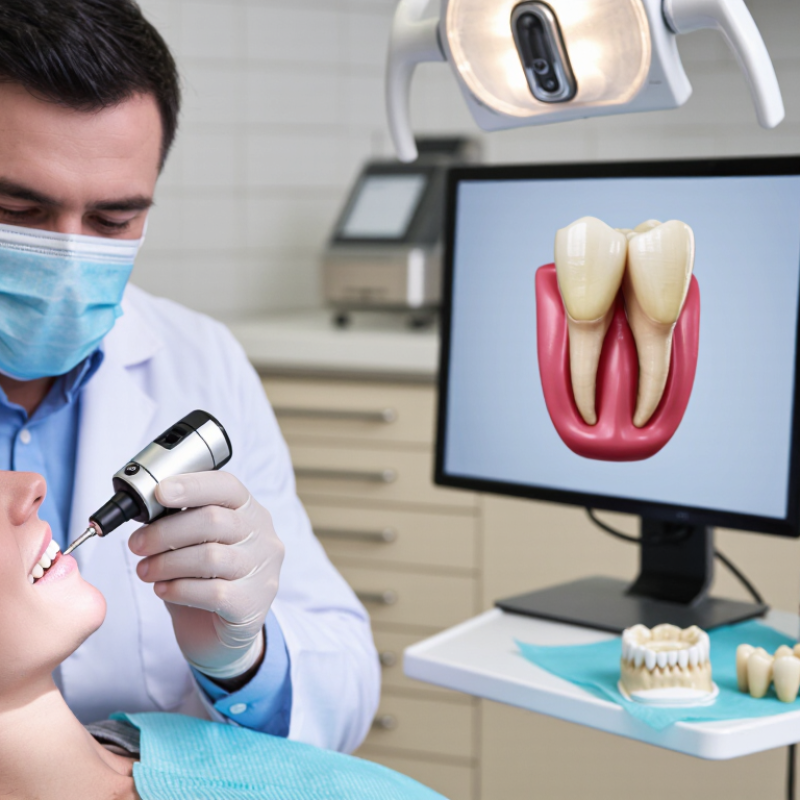
The process often begins with an examination and images of the tooth. A dentist may scan its surface with a small handheld camera, then review a detailed model on a screen. Some restorations are designed and made in a dental laboratory; others can be produced in a clinic. Technology can improve fit and planning, but it does not make every case simple. A cracked tooth, a deep cavity, and a worn bite need different decisions.

Restorative dentistry researcher Dr. Markus B. Blatz has emphasized evidence-based material selection and adhesive techniques in his published work. A fair paraphrase of that principle is: “Choose the material and bonding method for the patient’s clinical needs, not just because the technology is new.” That distinction matters. A glossy scan cannot replace careful diagnosis, and a precise crown still depends on sound preparation and follow-up. Small details count.

For patients, the term can sound more futuristic than it is. Often, it means a better scan, a thoughtfully chosen filling, or a crown shaped to meet the bite. Results vary, and no single tool suits every mouth. The most useful technology supports informed clinical judgment; it does not replace it.
What Is Dental Restoration Technology?

Definition and Scope of Dental Restoration Technology

Dental restoration technology is the set of materials, tools, and clinical methods used to repair or replace damaged teeth. Its purpose is to restore chewing, protect remaining tooth structure, and support a comfortable bite. It includes small repairs, such as fillings, and larger restorations, such as crowns, bridges, and dentures. The goal is function. It is not limited to the visible repair.

The scope begins with assessing decay, cracks, wear, gum health, and how the teeth meet. Imaging and digital scans can help show tooth shape and guide a restoration’s design, but they do not replace clinical judgment. Materials may include resin, ceramic, metal alloys, or combinations, chosen for the tooth, bite forces, and patient needs. A restoration must fit closely. Small differences matter.

The technology also covers how restorations are made and fitted, from impressions and laboratory work to computer-guided milling. The approach varies by case: a chipped front tooth and a heavily worn molar need different plans. Long-term care matters, since bite changes, gum conditions, and daily cleaning can affect performance. Digital tools may improve consistency, though scan or planning errors can still lead to a poor fit. Even suitable materials have limits.

Common Types of Dental Restorations

What Is Dental Restoration Technology?
Common Types of Dental Restorations

Dental restoration technology repairs damaged teeth and restores everyday functions such as chewing. The right option depends on the tooth’s condition, bite, and remaining structure. The World Health Organization’s 2022 Global Oral Health Status Report estimates that around 2 billion people have caries in permanent teeth. That scale helps explain why fillings remain so common, though each treatment still needs an individual assessment.

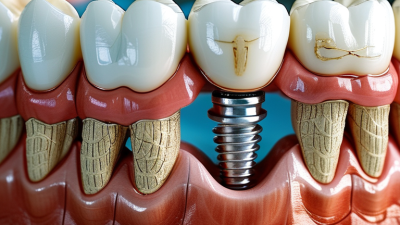
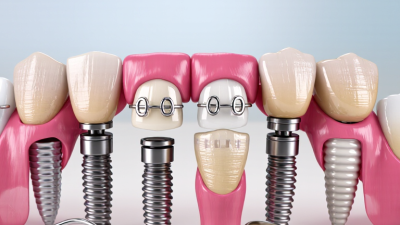
A filling, often made from tooth-colored composite, repairs a smaller cavity. Larger areas of damage may need an inlay, onlay, or crown. Crowns cover and protect weakened teeth; bridges replace missing teeth by attaching to neighboring teeth. Dentures can replace several or all missing teeth, while implants support a replacement tooth in the jaw. Fit matters. A restoration that looks sound may still need adjustment if the bite feels uneven. There is no perfect material for every mouth: durability, appearance, cost, and how much healthy tooth remains all matter. It is easy to focus on the visible repair, but regular checks help a dentist assess wear, fit, and nearby tooth health.

What Is Dental Restoration Technology? – Common Types of Dental Restorations

Common restorative options, what they address, and how they are generally made or placed. Treatment choice depends on an individual dental examination.
Restoration type What it may address Common materials How it is generally placed Key considerations
Direct filling Small to moderate cavities or minor tooth damage. Composite resin; amalgam is used in some settings. The dentist removes decayed or weakened tissue, shapes the area, and places and finishes the filling during the appointment. Conserves more natural tooth structure than many larger restorations. Suitability depends on the cavity’s size and location.
Inlay or onlay Moderate damage that is too extensive for a routine filling but does not always require a full crown. Porcelain or other ceramic, composite resin, or metal alloys. A custom restoration is made from a scan or impression and bonded or cemented into the prepared tooth; some practices can make it in one visit. An inlay fits within the tooth’s cusps; an onlay covers one or more cusps. The choice depends on how much tooth structure remains.
Crown A weakened, heavily filled, cracked, or severely damaged tooth; it may also cover a tooth after root canal treatment. All-ceramic or porcelain, porcelain fused to metal, or metal alloys. The tooth is shaped, then covered with a custom crown, which is typically made in a dental laboratory or with in-office digital equipment. Protects and restores the tooth’s shape and function. The amount of tooth preparation and material choice vary by case.
Fixed dental bridge One or more missing teeth when suitable supporting teeth or implants are available. Commonly ceramic, porcelain fused to metal, or metal alloys. A replacement tooth is joined to supporting crowns or other retainers and cemented or attached in place. A conventional bridge may require preparation of neighboring teeth. Implant-supported bridges are another option for some patients.
Dental implant with crown Replacement of a missing tooth when the patient is suitable for implant treatment. A titanium or ceramic implant component, an abutment, and a crown commonly made of ceramic or metal-ceramic material. An implant is placed in the jawbone; after healing and assessment, an abutment and custom crown are attached. Treatment usually takes place over several stages. Bone health, overall health, and gum condition affect suitability and timing.
Complete or partial denture Replacement of several or all missing teeth. Acrylic resin, sometimes combined with a metal framework or other materials. A removable appliance is custom-made from dental records and fitted to the mouth; adjustments may be needed as tissues change. Complete dentures replace all teeth in an arch; partial dentures replace some teeth and may use remaining teeth for support.
Veneer Selected front-tooth chips, shape concerns, or discoloration when the tooth is otherwise suitable. Porcelain or composite resin. A thin facing is bonded to the front surface of a tooth; some cases require enamel shaping. Primarily changes the visible front surface and is not suitable for every type of tooth damage or bite condition.

Materials and Digital Technologies Used

Dental restoration technology combines material science with digital design. A crown may be milled from zirconia or glass ceramic, while fillings often use resin composites. These materials behave differently under chewing forces, temperature changes, and moisture. ISO 6872:2015 classifies dental ceramics by strength; its Class 5 category requires a minimum flexural strength of 800 MPa. That figure helps clinicians compare material performance, but it does not predict how a restoration will fit or last in every mouth.

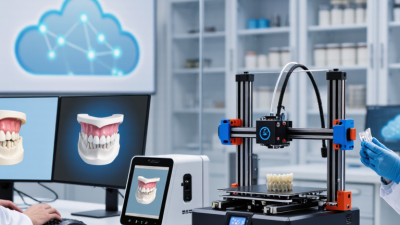
Digital workflows begin with an intraoral scanner, which captures tooth surfaces as a three-dimensional model. Design software then shapes the restoration, and a milling machine or printer produces it. ISO 20896-1:2019 describes methods for assessing dental digitizing devices, but scan accuracy can still vary with scan path, saliva, and the size of the area captured. Fit still matters. A tiny gap at the margin can trap plaque or irritate gum tissue. Research comparing digital and conventional impressions generally finds both can produce clinically acceptable results, though outcomes depend on the case and technique. There is a catch: digital tools improve measurement and repeatability, but they cannot replace careful material selection, bite checks, or clinical judgment. A polished scan may still miss a practical problem.

How a Dental Restoration Is Planned and Performed

A dental restoration is planned around the tooth, the surrounding gums, and the patient’s needs. The dentist checks the damaged area, reviews symptoms, and may take X-rays or a digital scan. A small chip and a deep cavity call for different approaches. Bite pressure, nearby teeth, and existing dental work also matter. Patients should discuss comfort, appearance, cost, and the expected lifespan of each suitable option. No scan tells the whole story. Sometimes examination findings change the initial plan.

During treatment, the dentist explains each step and uses local anesthesia when appropriate. Damaged tissue is removed, and the tooth is shaped to support the restoration. Depending on the procedure, the dentist may place a filling directly or take impressions for a custom crown or other restoration. A temporary covering may protect the tooth while a permanent piece is made. At fitting, the dentist checks the edges and bite, then adjusts the restoration if it feels high. Small details matter. A new restoration can feel unfamiliar at first, and the bite may need another check. Follow-up care and daily cleaning help the dentist monitor the tooth and surrounding tissues.

Factors That Influence Restoration Choice and Longevity

A restoration is chosen to match the tooth’s damage, position, and daily workload. A small cavity may need only a filling, while a cracked cusp or heavily weakened tooth may require a stronger covering. Back teeth absorb substantial chewing forces; front teeth place greater demands on shape and appearance. The details matter. A dentist also checks the bite, remaining tooth structure, gum health, and whether the area can be kept dry during treatment. Moisture control is easy to overlook, yet it can affect how well some materials bond.

Longevity depends on more than the material. Grinding, frequent sugary snacks, dry mouth, and inconsistent brushing can increase wear or the risk of new decay. A night guard may help some people who clench, but it is not right for everyone. Regular examinations can catch a loose edge or small crack before it becomes harder to manage. Still, estimates are estimates. No restoration lasts forever, and outcomes vary with the tooth and a person’s habits. Even a carefully made restoration can fail if the tooth continues to face heavy force or repeated decay. Choices should be discussed with a qualified dental professional, including trade-offs in strength, appearance, cost, and how much healthy tooth must be removed.

Dental Restoration Technology: What Influences Choice and Longevity?

Bars show the lower and upper ends of commonly reported lifespan estimates, in years—not guaranteed outcomes. Restoration choice depends on factors such as the size and location of the repair, chewing forces, tooth condition, esthetic needs, and cost. Oral hygiene, regular dental care, and habits such as teeth grinding can affect how long a restoration lasts.